Water Quality and Pollution
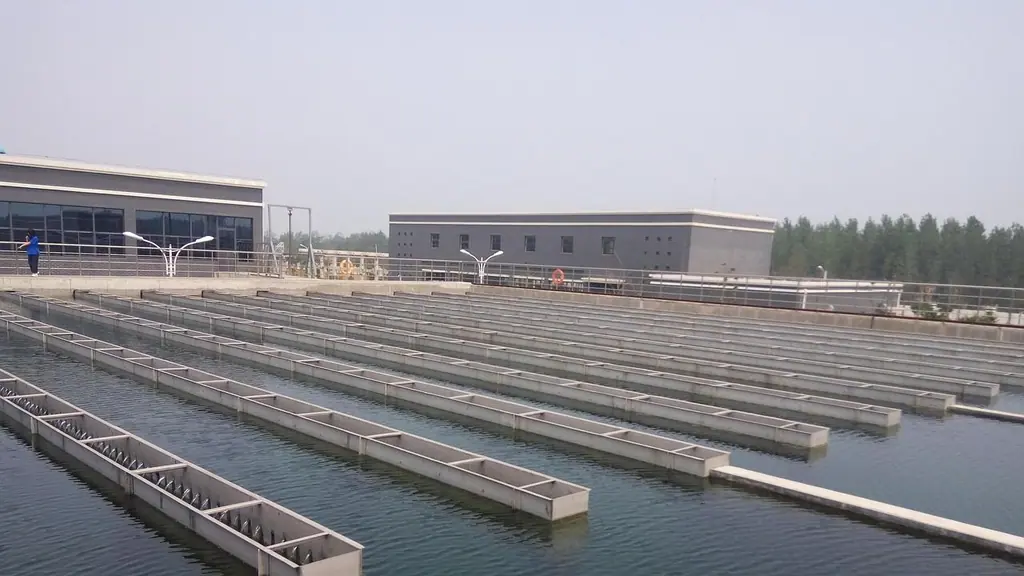
How Drinking Water Treatment Works
From river or borehole to tap: screening, coagulation, settling, filtration, disinfection and final adjustments, and how it differs from sewage treatment.
Every article published on FreshwaterAction, newest first: water science, rivers and wetlands, wildlife, water quality, conservation, sanitation and water rights.
From river or borehole to tap: screening, coagulation, settling, filtration, disinfection and final adjustments, and how it differs from sewage treatment.
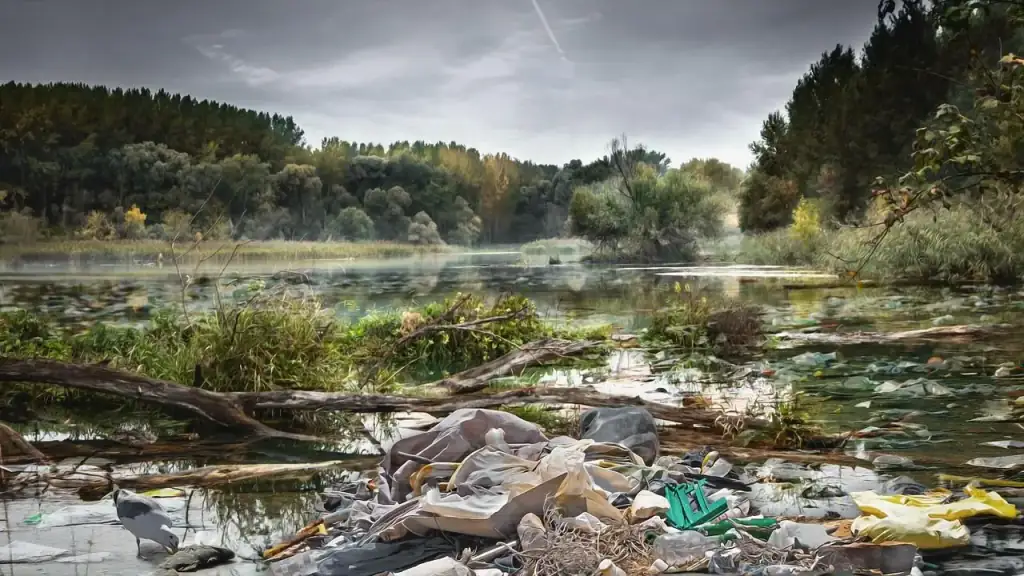
How plastic gets into rivers and lakes, why most of it stays there for years, what microplastics are, how wildlife is affected and which measures reduce it.
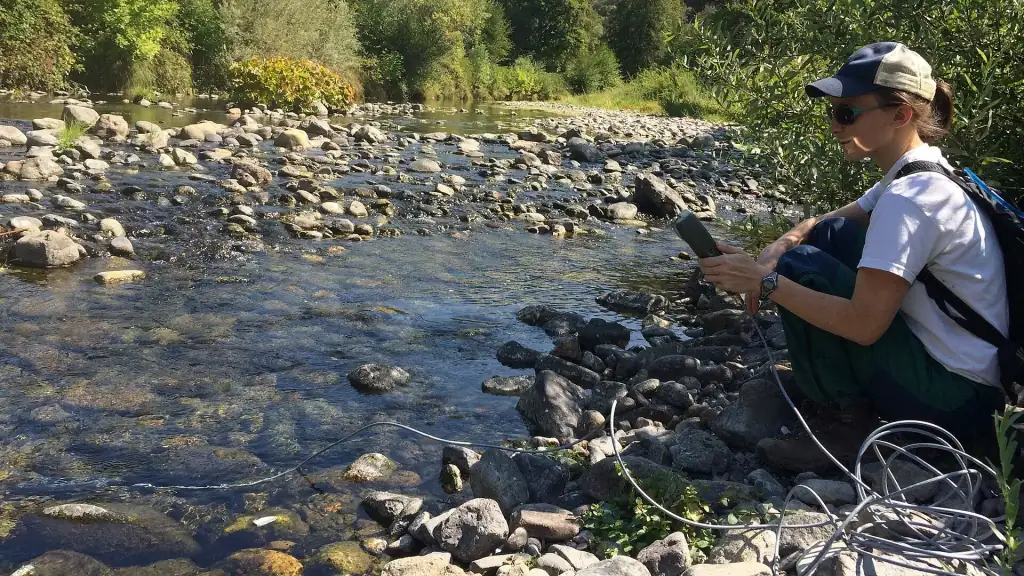
Temperature, pH, dissolved oxygen, nutrients, turbidity, bacteria and river insects: what each water-quality measurement shows and how standards judge results.
What the evidence shows about falling freshwater wildlife populations and extinction risk, the main causes, and the recovery plan scientists propose.
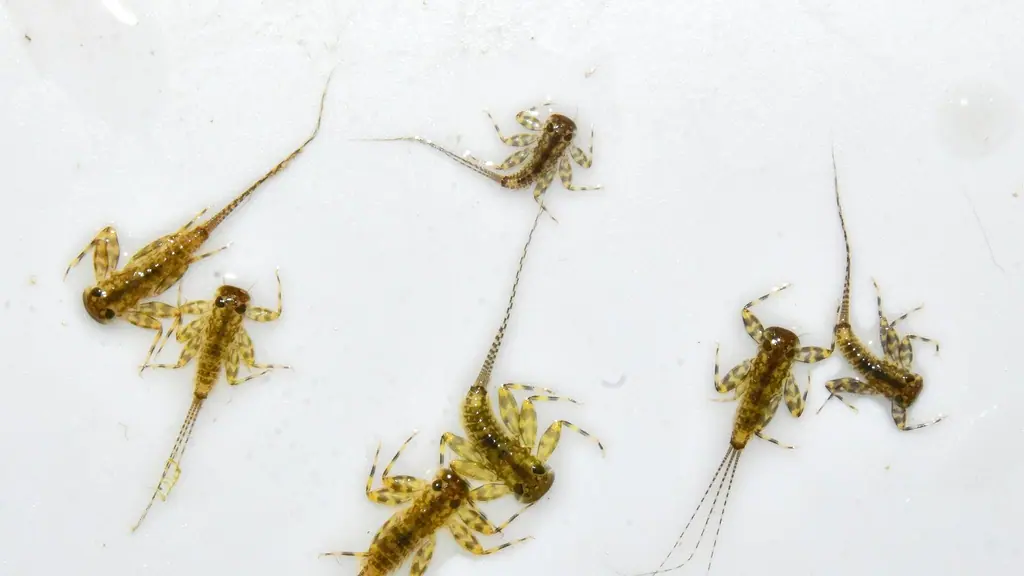
How to recognise common pond and river invertebrates, fish, amphibians, birds, mammals and plants, which keys to use, and how to look safely and legally.
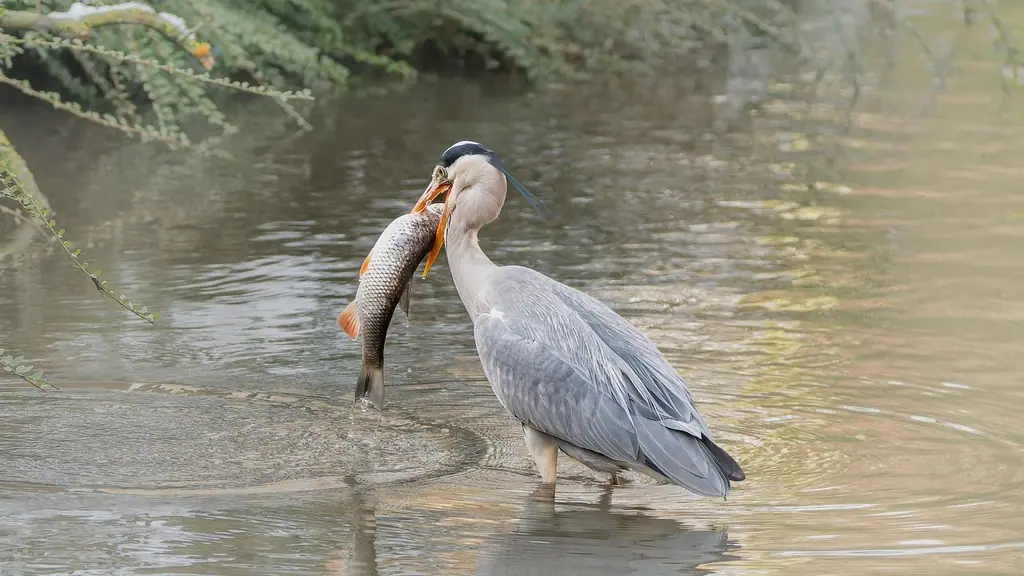
How energy moves through rivers, lakes and ponds: example food chains, the detritus pathway, trophic levels, the 10 per cent rule and how pollutants build up.
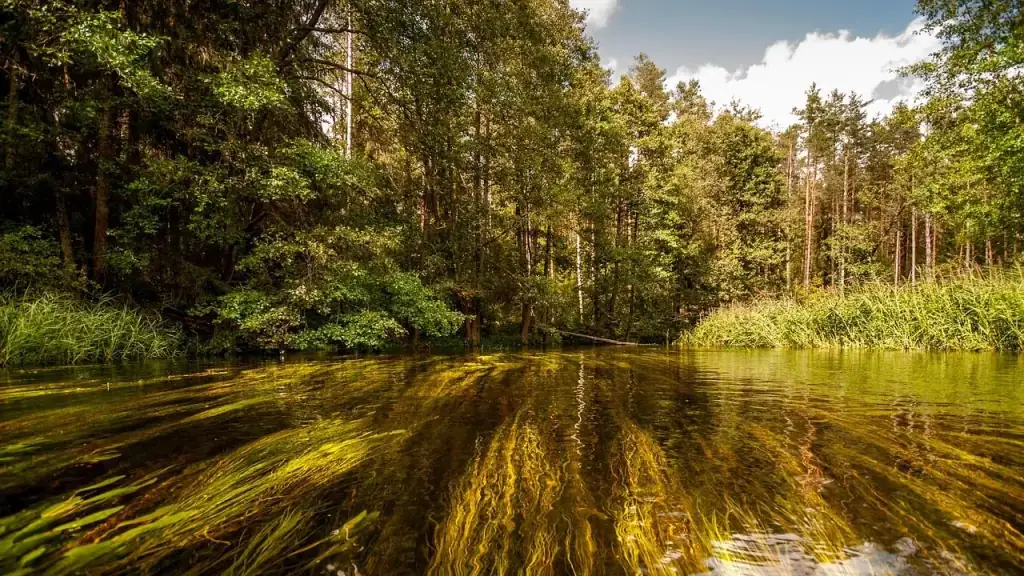
A student guide to rivers, lakes, ponds and wetlands as ecosystems: flowing and still waters, zones, producers, consumers, decomposers and adaptations.
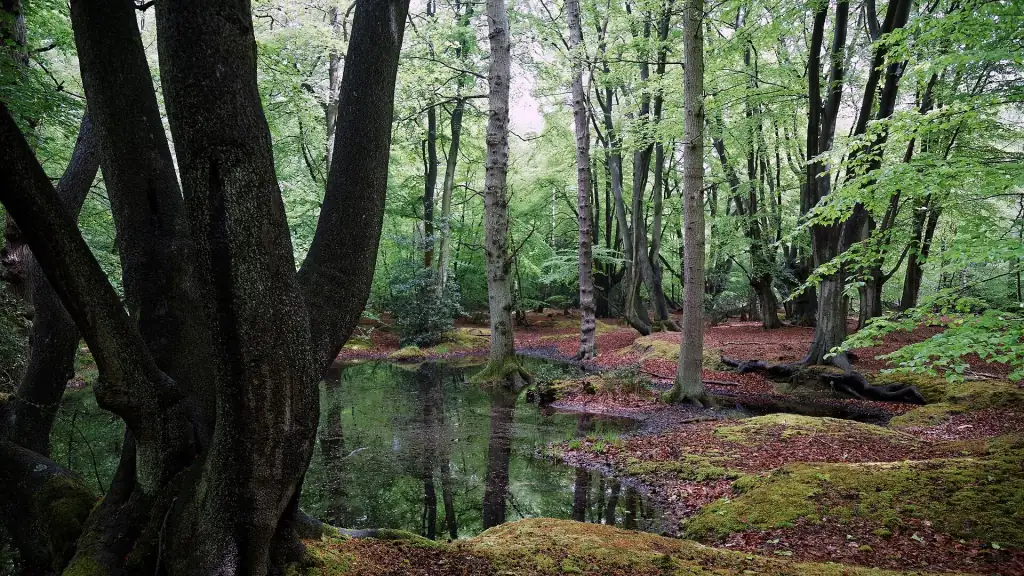
Why small ponds support so much freshwater wildlife, why so many have been lost, and how to create and care for a clean-water wildlife pond safely.
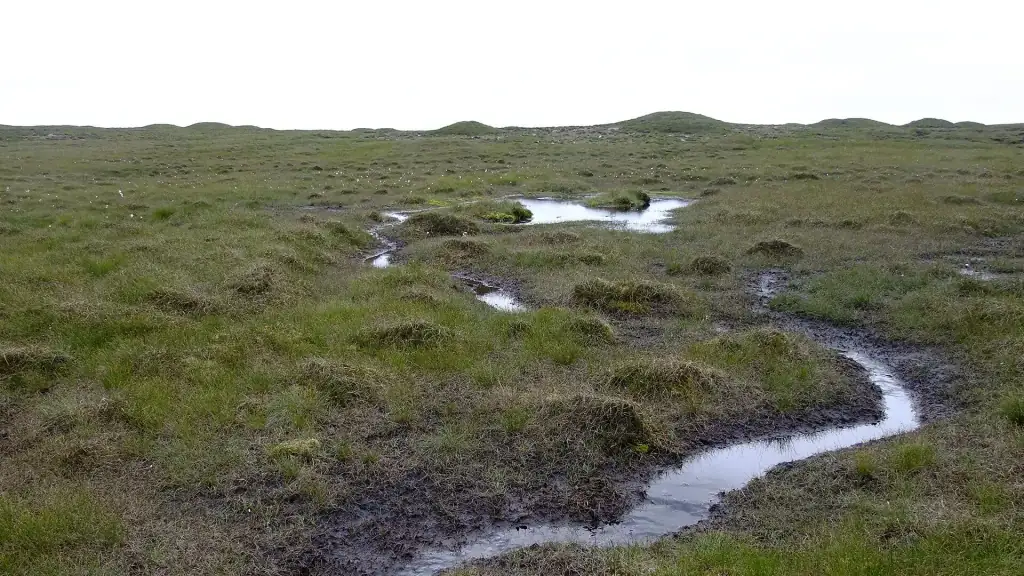
How bogs and fens form peat, why waterlogged ground locks up so much carbon, what happens when peatlands are drained or burned, and how rewetting restores them.
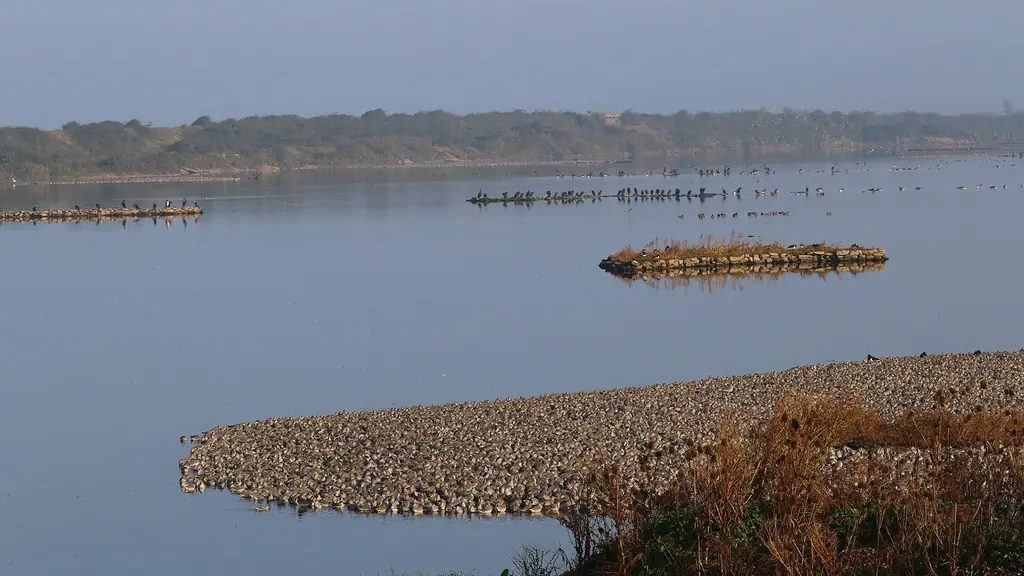
How the 1971 Convention on Wetlands works: its definition of wetlands, wise use, Ramsar Sites, the Montreux Record, World Wetlands Day and the UK's sites.
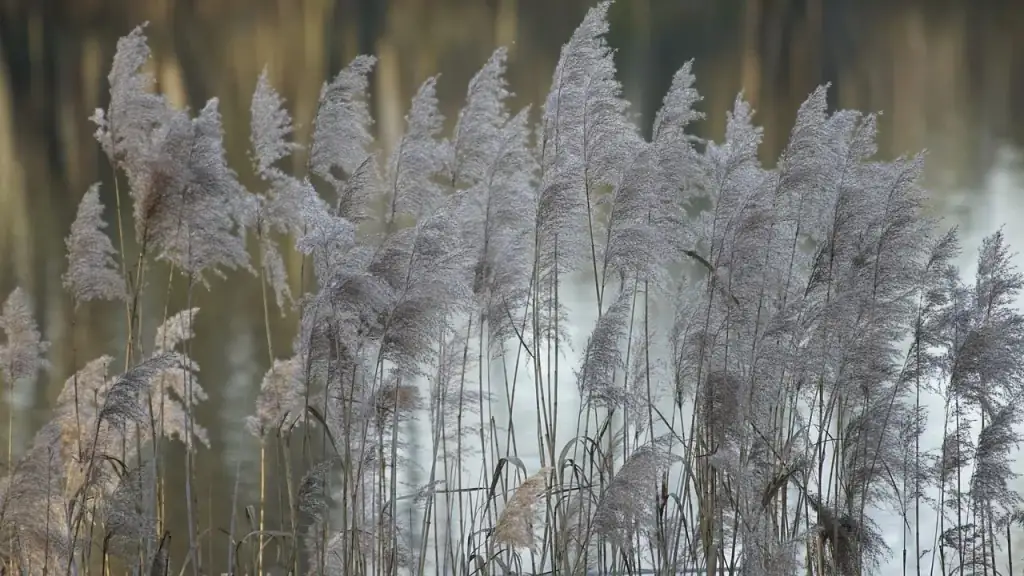
What counts as a wetland, the main types, how wetlands store water, clean it and lock up carbon, why they teem with wildlife, and how fast they are being lost.
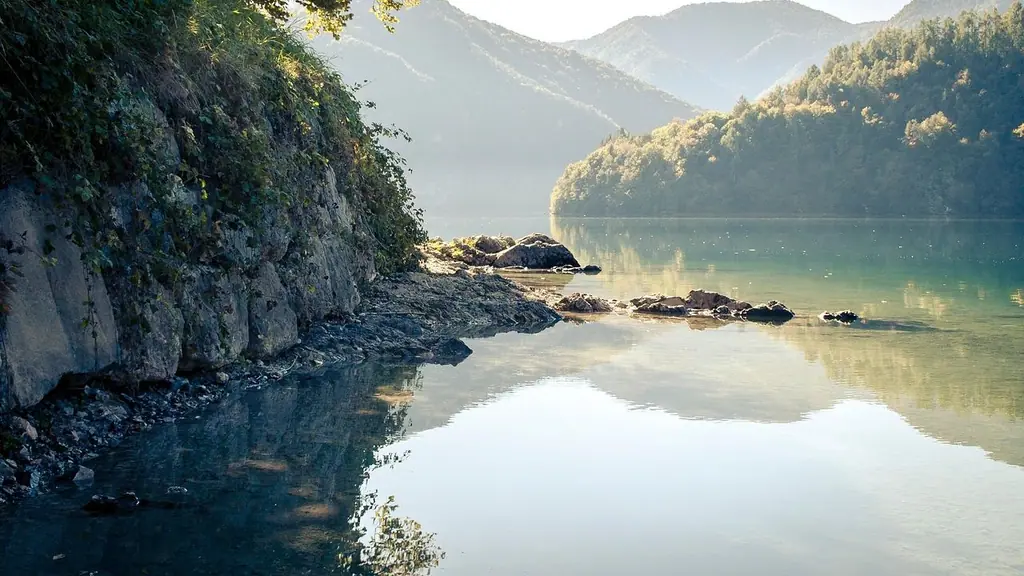
How lakes form, why deep lakes split into warm and cold layers in summer and mix in spring and autumn, what trophic states mean, and why lakes are sensitive.