About FreshwaterAction
An independent publication about fresh water: how it moves, what lives in it, how we look after it, and who gets to use it.
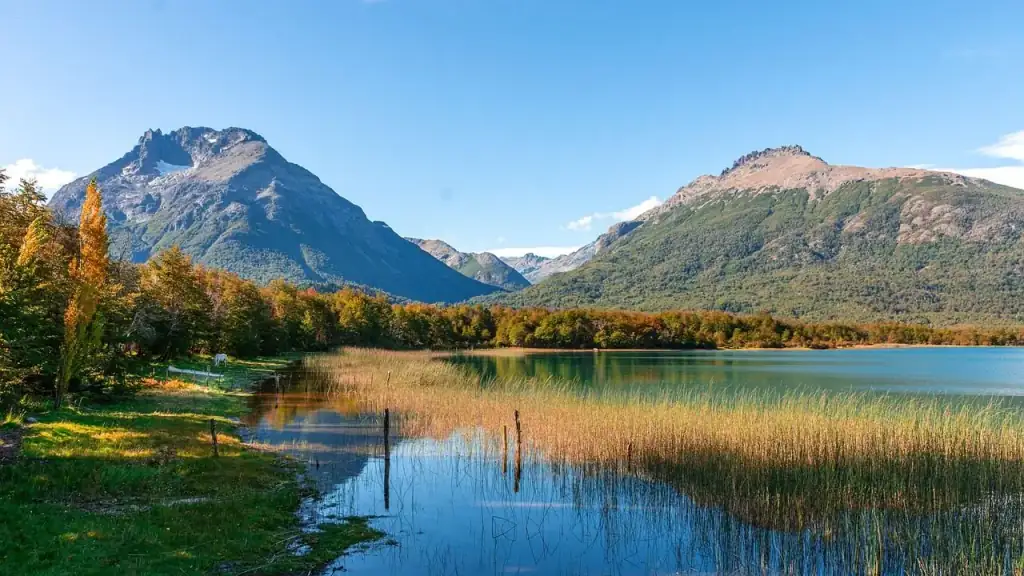
FreshwaterAction publishes clear, carefully sourced articles about rivers, lakes, wetlands and groundwater; the plants and animals that live in fresh water; water quality and pollution; conservation at home and in communities; climate and freshwater; safe drinking water, sanitation and hygiene; and the rights, laws and institutions that decide who gets water. Alongside the articles we publish free tools and worksheets: a household water calculator, an interactive water-cycle diagram, printable sheets for river surveys and home water audits, and a sustainability checklist.
Who it is for
We write for students and teachers, for parents and carers looking for safe ways to explore water with children, for volunteers in river, pond and wetland groups, for people working in water and environmental organisations, and for anyone who wants to understand where their water comes from and where it goes. Specialists will, we hope, find our articles accurate and fairly sourced.
How we work
Every article is researched from public sources: UN agencies such as UN-Water and the WHO/UNICEF Joint Monitoring Programme, government science and environment agencies such as the US Geological Survey, the US Environmental Protection Agency, the UK Environment Agency and the European Environment Agency, the Ramsar Convention, IUCN, universities and peer-reviewed research. Each article lists its sources at the end so that readers can check them. Where the evidence is uncertain or contested, we say so.
Articles carry the publication byline "FreshwaterAction", and the publication as a whole takes responsibility for what it publishes. We do not publish sponsored articles, paid links or affiliate links, and we do not run advertising trackers. The details, including how we correct mistakes, are in our editorial policy.
Images
Photographs come from openly licensed sources, mainly Pixabay and Wikimedia Commons, and from public-domain collections of agencies such as the US Geological Survey. Each one is credited beside the image with its creator, source and licence. Diagrams are drawn by us.
This address
The address freshwateraction.net has a longer history than this publication, and readers should know it.
From the early 2000s until about 2018 freshwateraction.net was the website of the Freshwater Action Network (FAN), a global network of civil-society organisations that campaigned on water and sanitation, and on the rights and governance behind them. It had regional networks in South Asia, Africa, Mexico, Central America and South America, and published news, a handbook for activists on the human rights to water and sanitation, and many reports. FAN's UK company was dissolved in 2015. Several of its regional networks carried on independently, and some remain active today under their own names and websites.
After the network's site went offline, the domain changed hands and was used for unrelated gambling and advertising pages. None of that material has been restored, and those addresses now return "410 Gone".
FreshwaterAction is a new, independent publication. It is not the Freshwater Action Network, is not its successor, and does not speak for it or for any of its regional networks. We do not reproduce FAN's articles or documents, which belong to their authors and publishers.
Universities, libraries and NGOs still link to some of FAN's old pages. Where an old link points to a subject we cover, such as the human rights to water and sanitation, sanitation policy in South Asia or community water systems in Central America, we have written a new article on the same subject at the same address, so that the link leads somewhere useful again. Each of these pages says so at the top and links to the archived original on the Internet Archive. Where a document such as a report or handbook used to be hosted here, the old address now leads to a related article that, where we could find one, links to a copy published by its authors or by an established library. Old addresses with no suitable equivalent return an honest "410 Gone" rather than a misleading redirect.
Contact
Write to contact@freshwateraction.net. The contact page explains what we can and cannot help with.