Freshwater Ecosystems: A Guide for Students
A student guide to rivers, lakes, ponds and wetlands as ecosystems: flowing and still waters, zones, producers, consumers, decomposers and adaptations.
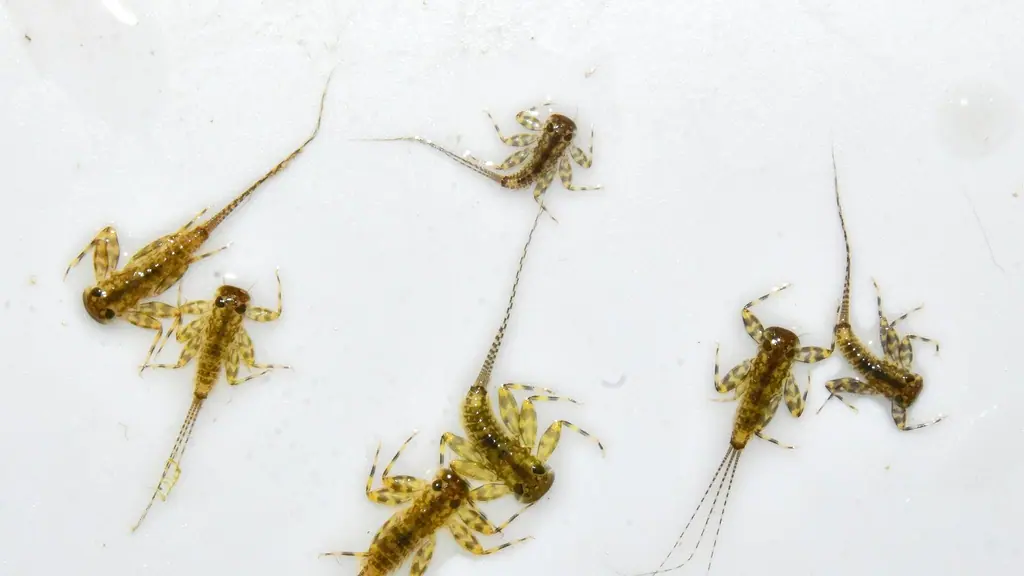
Turn over a stone in a fast, clear stream and you may find a flattened mayfly nymph clinging to its underside, a caddisfly larva in a tube of glued sand grains, and a freshwater shrimp scuttling sideways for cover. Every one of them is adapted to the same problem: staying put and breathing in water that is always moving. In a still pond a few hundred metres away, the residents solve different problems, such as surviving when oxygen runs low on a warm night or when the pond dries out in August.
Rivers, lakes, ponds and wetlands are freshwater ecosystems: communities of living things interacting with each other and with their physical and chemical surroundings. They are small in area but extraordinarily rich. In a widely cited 2010 review, the ecologists David Strayer and David Dudgeon wrote that freshwater habitats occupy less than 1 per cent of the Earth's surface, yet support around 10 per cent of all known species and around a third of vertebrate species.
This guide explains the main types of freshwater ecosystem, the physical and chemical factors that shape them, the roles living things play, and how plants and animals are adapted to life in fresh water. It links to more detailed articles on food chains and webs, identifying freshwater wildlife and why freshwater biodiversity is declining.
Flowing and still waters
Ecologists divide freshwater ecosystems into two broad groups.
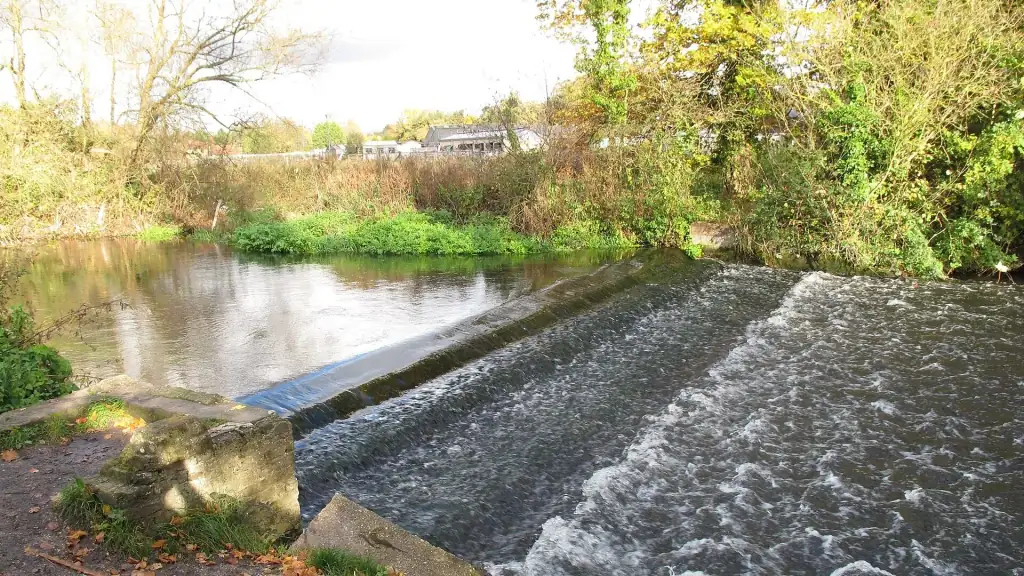
Lotic ecosystems have flowing water: springs, streams and rivers. Water moves in one direction, downstream, carrying oxygen, food particles, sediment and drifting animals with it. Conditions change along the river's length, from cold, fast, rocky headwaters to warmer, slower, muddy lowland reaches; our guide to the parts of a river explains those changes. Within any stretch, fast, shallow riffles alternate with deeper, slower pools, and each has its own community.
Lentic ecosystems have still or slow-moving water: lakes, ponds and many wetlands. Water stays in place for much longer, so conditions can differ sharply with depth and season, and lakes can form layers of warm and cold water in summer; see how lakes work.
Wetlands such as marshes, bogs and fens sit between land and water, with saturated soils and plants adapted to waterlogging. Our guide to wetlands and biodiversity covers them in detail.
| Lotic (flowing) | Lentic (still) | |
|---|---|---|
| Examples | Springs, streams, rivers | Ponds, lakes, reservoirs |
| Water movement | One-way current | Little current; mixing by wind and temperature |
| Oxygen | Usually well mixed by turbulence | Can vary greatly with depth, time of day and season |
| Main food sources | Often leaves and debris from the banks, plus algae on stones | Often algae and plants growing in the water |
| Typical adaptations | Clinging, flattening, streamlining, sheltering under stones | Floating, swimming, breathing air at the surface, tolerating low oxygen |
Zones in a lake or pond
Still waters are often described in zones:
- Littoral zone: the shallow margin, where light reaches the bottom and rooted plants grow. It is usually the richest zone for invertebrates, amphibians and young fish.
- Open-water (limnetic) zone: the sunlit open water away from the shore, home to drifting algae (phytoplankton), tiny animals (zooplankton) and fish.
- Deep (profundal) zone: deep water below the reach of enough light for photosynthesis, found only in deeper lakes.
- Benthic zone: the bottom, with its sediments and the animals that live on or in them.
Abiotic factors: the non-living conditions
The physical and chemical conditions of a habitat are its abiotic factors. In fresh water, the most important include:
- Dissolved oxygen. Animals in water must take oxygen from the small amount dissolved in it. The US Geological Survey notes that cold water can hold more dissolved oxygen than warm water, so levels are often lowest in summer and autumn. Oxygen enters water mainly from the air, helped by turbulence, and is added by photosynthesis in daylight. The USGS describes water with less than 2 milligrams per litre as hypoxic, a level at which organisms that cannot escape may die.
- Temperature. It controls how fast organisms grow and how much oxygen the water holds. Many river insects and fish, such as stoneflies and trout, need cool water.
- Light. It limits where plants and algae can grow, and therefore where food is produced.
- Flow. Current brings food and oxygen but can sweep animals away; floods reshape habitats.
- Nutrients. Nitrogen and phosphorus are needed for plant growth, but too much causes algal blooms.
- pH and dissolved minerals. Acidic upland waters and hard chalk or limestone waters support different communities.
- Substrate. Whether the bed is rock, gravel, sand, silt or plant material decides who can live there.
Lakes and ponds show how these factors interact. The Missouri Department of Conservation explains that ponds stratify in summer into layers with different temperatures, densities and levels of dissolved oxygen, and that the deep bottom layer may be completely without oxygen by mid-July, so fish cannot survive there.
Key idea: In fresh water, oxygen, temperature, light and flow decide where each species can live, and they change from riffle to pool, from shore to depths, and from day to night.
Who does what: producers, consumers and decomposers
Every ecosystem needs energy flowing through it and nutrients cycling within it. Living things can be grouped by how they obtain energy.
Producers
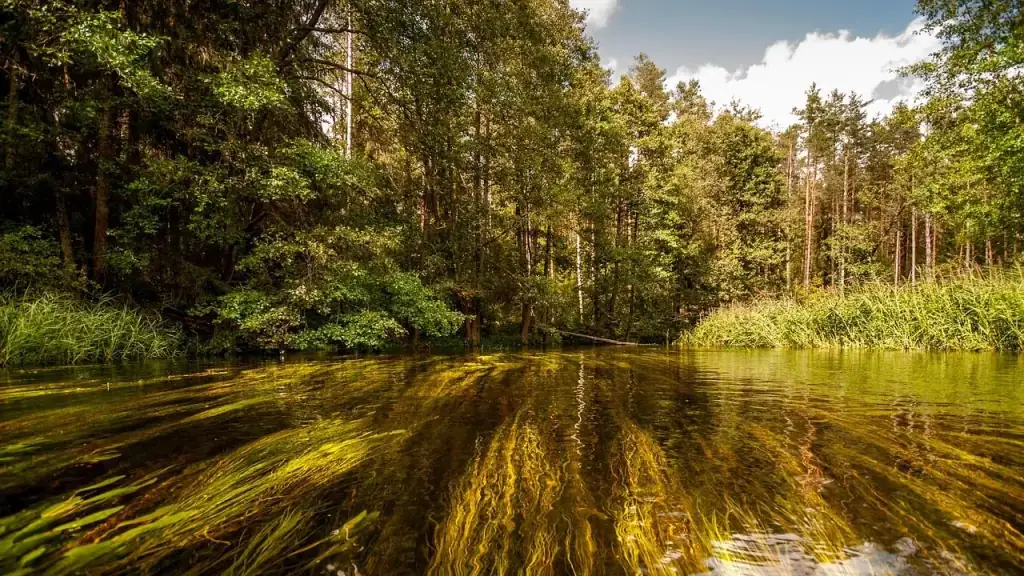
Producers make their own food by photosynthesis, using light energy to turn carbon dioxide and water into sugars. In fresh water they include rooted plants (such as water-crowfoot and reeds), floating plants (such as duckweed), and algae: free-floating phytoplankton and the slippery film (periphyton or biofilm) that coats stones in streams.
Consumers
Consumers eat other organisms.
- Primary consumers (herbivores and detritivores) eat producers or dead plant material. Examples: snails grazing algae from stones, mayfly nymphs, water fleas eating phytoplankton, and freshwater shrimps shredding fallen leaves.
- Secondary consumers eat primary consumers. Examples: dragonfly nymphs, diving beetles, small fish such as sticklebacks, and some caddisfly larvae that hunt rather than graze or shred.
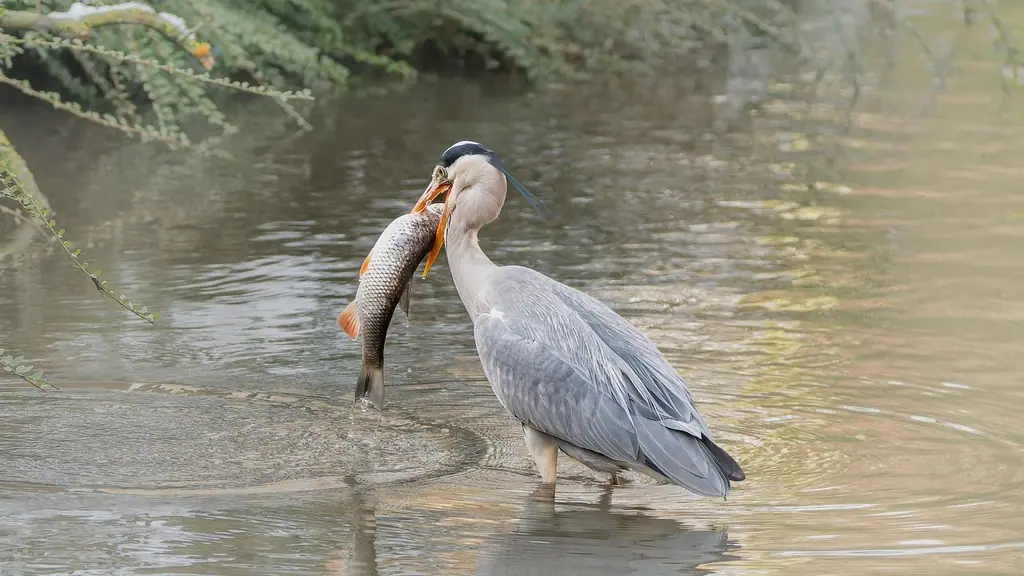
- Tertiary and top consumers eat other consumers. Examples: large trout and pike, herons, kingfishers and otters.
Decomposers and detritivores
When organisms die, or shed leaves, faeces and moults, the material becomes detritus. Decomposers, mainly bacteria and fungi, break it down and release nutrients that producers can use again. Detritivores, such as freshwater shrimps, water slaters (hoglice) and some caddis larvae, speed the process by shredding and eating detritus.
In many small, shaded streams, more energy enters as fallen leaves than from plants growing in the water. Fungi and bacteria colonise the leaves, invertebrate shredders eat them, and those invertebrates feed fish and birds. Our article on freshwater food chains and food webs follows these energy pathways and explains trophic levels in detail.
Adaptations to life in fresh water
Freshwater organisms face particular challenges: getting oxygen, coping with current or stillness, finding food, avoiding predators and surviving changes such as droughts, floods and winter ice. Some examples of adaptations:
| Challenge | Adaptation | Example |
|---|---|---|
| Getting oxygen | Gills, often feathery, on the body or abdomen | Mayfly nymphs, fish |
| Getting oxygen | Carrying a bubble of air from the surface | Water boatmen, great diving beetle |
| Getting oxygen in still, low-oxygen water | Breathing tube to the surface | Rat-tailed maggot (drone fly larva) |
| Holding on in a current | Flattened bodies and strong claws | Flattened mayfly and stonefly nymphs |
| Avoiding being washed away | Heavy case of stones or a silk net anchored to rocks | Caddisfly larvae |
| Living on the surface | Water-repellent hairs on the feet, using surface tension | Pond skaters |
| Surviving drying out | Drought-resistant eggs or resting stages | Water fleas, some snails |
| Life on land and water | Aquatic larvae, land-based adults | Frogs, newts, dragonflies |
Plants are adapted too: water-lilies have air channels that carry oxygen to roots buried in mud, and many submerged plants have thin, finely divided leaves that cope with currents and absorb gases and nutrients directly from the water.
Indicator species
Because some species tolerate pollution or low oxygen and others do not, the animals living in a stream can reveal its condition. Stonefly nymphs, many mayflies and cased caddis generally need clean, well-oxygenated water; rat-tailed maggots, bloodworms (some midge larvae) and certain worms can survive where oxygen is very low. Scientists and volunteers use this principle in biological monitoring; see our beginner's guide to kick sampling for river invertebrates.
Why freshwater ecosystems are under pressure
Fresh waters receive whatever drains off the land around them and are heavily used by people for water supply, farming, energy, transport and waste disposal. In their 2006 review in Biological Reviews, David Dudgeon and colleagues grouped the threats to freshwater biodiversity under five headings: overexploitation, water pollution, flow modification, destruction or degradation of habitat, and invasion by non-native species. They noted that fresh water makes up about 0.8 per cent of the Earth's surface and supports at least 100,000 of the roughly 1.8 million species described at the time, almost 6 per cent of the total. (Estimates of the share of species differ between studies, partly because they count species in different ways; Strayer and Dudgeon's later figure of about 10 per cent is for all known species.)
The consequences show up in monitoring. WWF's Living Planet Report 2024 found that monitored freshwater vertebrate populations had declined by an average of 85 per cent between 1970 and 2020, a steeper fall than on land or at sea. Our article on why freshwater biodiversity is declining explores the causes and what can be done.
In numbers: Freshwater habitats occupy less than 1 per cent of the Earth's surface, yet support around 10 per cent of all known species and around a third of vertebrate species.
Source: Strayer and Dudgeon (2010), Journal of the North American Benthological Society.
Investigating a freshwater ecosystem
Safety: All fieldwork near water needs adult supervision and a risk assessment. Choose shallow, slow, accessible sites with gentle banks; stay away from fast, deep or cold water, weirs and steep or crumbling banks; and check weather and flood warnings. Cover cuts, wear gloves if you have broken skin, do not eat near the water, and wash hands with soap afterwards because of the risk of leptospirosis (Weil's disease). Return animals gently to where you found them, keep them in shaded water for minutes rather than hours, never catch or handle protected species such as great crested newts, and check, clean and dry kit before moving to another site.
Fieldwork is the best way to understand freshwater ecology. Simple investigations for students include:
- Compare two habitats, such as a riffle and a pool, or a sunny and a shaded pond margin. Record temperature, depth, flow and substrate, then sample and compare the animals found.
- Build a food web from the organisms you find, using field guides to look up what each one eats.
- Use indicator species to estimate water quality, and compare with official data for the same river.
- Record over time. Return in different seasons and note changes in plants, insects and amphibians.
Our printable river survey worksheet helps structure fieldwork, and freshwater citizen science projects let students contribute real data. Browse more in our freshwater ecosystems and wildlife section.
Sources
- Freshwater biodiversity conservation: recent progress and future challenges (Strayer and Dudgeon, Journal of the North American Benthological Society, 2010)Journal of the North American Benthological Society (now Freshwater Science)
- Freshwater biodiversity: importance, threats, status and conservation challenges (Dudgeon et al., Biological Reviews, 2006)Biological Reviews (Cambridge Philosophical Society)
- Dissolved Oxygen and WaterU.S. Geological Survey, Water Science School
- Pond TurnoverMissouri Department of Conservation
- Living Planet Report 2024: A System in PerilWWF, with the Zoological Society of London
Spotted an error? Write to contact@freshwateraction.net. Our editorial policy explains how we correct articles.