Governance and Transparency in Water and Sanitation
Why water and sanitation services fail without good governance, how budgets, regulation and integrity shape them, and the tools citizens use to hold providers to account.

The human rights to water and sanitation, the laws and institutions that decide who gets water, and the civil-society networks that hold them to account.
9 articles

How countries share rivers, lakes and aquifers across borders: the two UN water conventions, river basin organisations, and what SDG indicator 6.5.2 measures.

Why water and sanitation services fail without good governance, how budgets, regulation and integrity shape them, and the tools citizens use to hold providers to account.

How Costa Rica's ASADAS and Nicaragua's CAPS bring water to rural communities, what a 2026 audit found, and how the 2020 constitutional right to water applies.

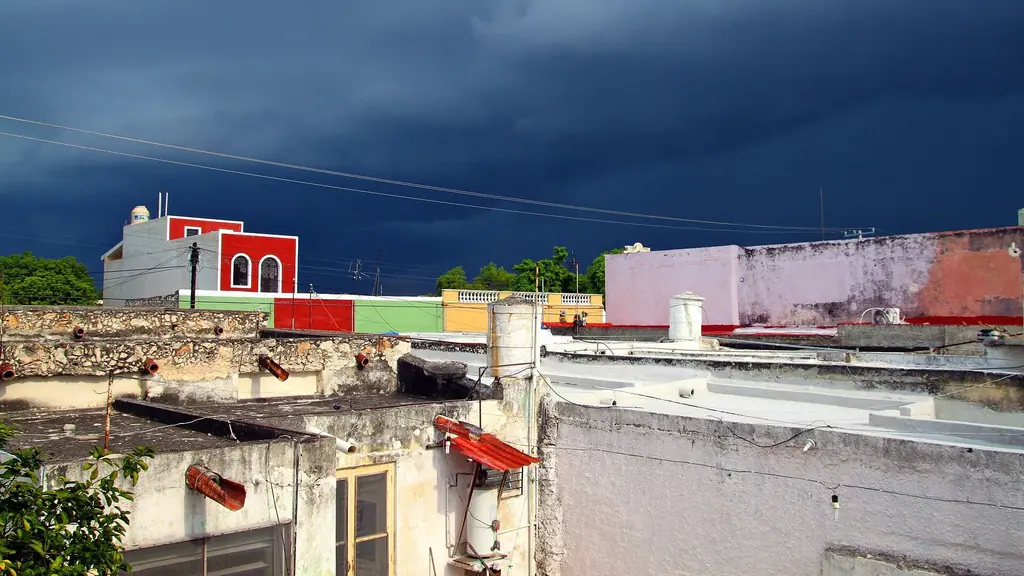
How Mexico recognised the human right to water in its constitution in 2012, why the promised General Water Law took until 2025, and what the gaps in service look like.

How countries have written the right to water and sanitation into constitutions, statutes and court rulings, from South Africa and Uruguay to Mexico and Costa Rica.

What the human rights to water and sanitation require of governments, the five standards and three duties behind them, and how campaigners use them in practice.

How UN General Assembly resolution 64/292 of July 2010 and later Human Rights Council and Assembly resolutions turned water and sanitation into human rights.

An independent explainer on FANSA, the Freshwater Action Network South Asia: what the regional network does, its work around SACOSAN and the SDGs, and where it is today.

An independent explainer on ANEW, the African Civil Society Network on Water and Sanitation: its 2003 launch, its work with AMCOW and where to find it today.