How Drinking Water Treatment Works
From river or borehole to tap: screening, coagulation, settling, filtration, disinfection and final adjustments, and how it differs from sewage treatment.
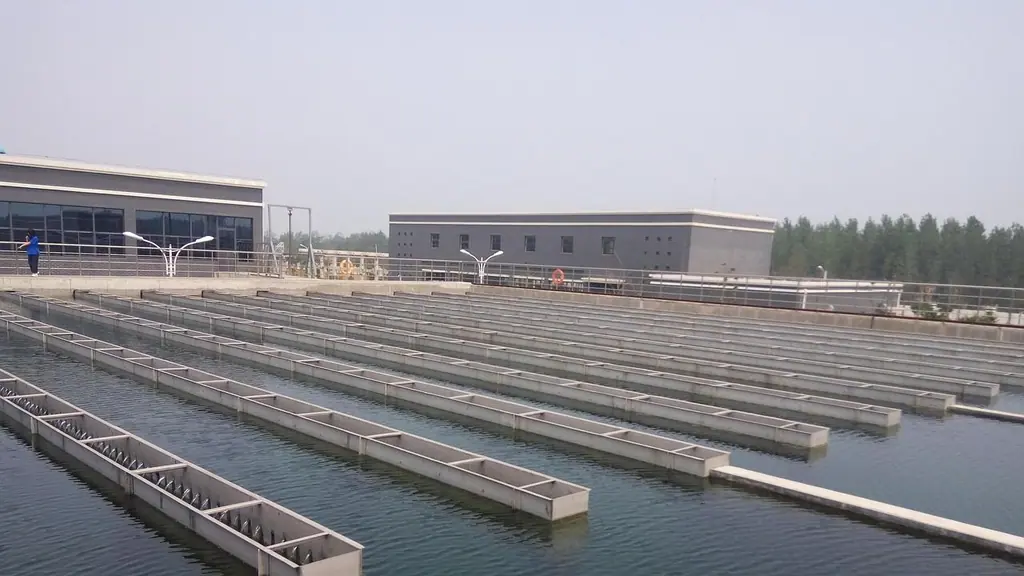
In 2025, England's public water supply came from about 2,400 sources (rivers, reservoirs, lakes and boreholes) and passed through 989 treatment works before reaching 59.7 million people. According to the Drinking Water Inspectorate, the regulator for England and Wales, those works supplied almost 14.5 billion litres a day. Every one of those litres began as water that would not reliably be safe to drink: river water carrying silt, algae and microbes, or groundwater that may contain iron, manganese or nitrate.
Treatment turns that raw water into drinking water through a sequence of physical, chemical and biological steps, each removing something the previous step left behind. Engineers call it a treatment train, and the details vary with the source.
This guide follows water through a typical treatment works, explains what each stage removes and why, looks at how water is kept safe in the pipes, and sets out how drinking-water treatment differs from sewage treatment, which is often confused with it.
Where drinking water comes from
Drinking water is drawn from two broad kinds of source. Surface water comes from rivers, lakes and reservoirs. Groundwater is pumped from aquifers through boreholes and wells, or collected from springs. For England in 2025, the Drinking Water Inspectorate counted 1,184 surface sources, 976 groundwater sources and 241 mixed sources.
The source decides how much treatment is needed. As the US Centers for Disease Control and Prevention (CDC) explains, water from lakes, rivers and reservoirs typically needs more treatment than water from underground, because it contains more sediment, germs, chemicals and toxins. Soil and rock filter groundwater naturally as it soaks down, although some aquifers carry dissolved minerals, nitrate or contaminants that need their own treatment.
Treatment is only one part of keeping water safe. The World Health Organization's Guidelines for drinking-water quality, the international reference for national standards, call for "catchment-to-consumer" water safety plans: identifying hazards and managing risks all the way from the land around a source to the tap. Protecting a catchment from pollution makes every step downstream easier.
The treatment train, step by step
The diagram and steps below describe a conventional works treating river or reservoir water. Smaller groundwater works may use only a few of these stages.
1. Intake and screening
Water is drawn from a river, reservoir or borehole. At surface intakes, screens remove leaves, branches, fish and litter, and some works hold river water in storage reservoirs first, which lets some sediment settle and gives operators a buffer if the river becomes polluted.
2 and 3. Coagulation and flocculation
Many of the particles that make river water cloudy, such as clay, fine organic matter and microbes, are too small and too light to settle on their own. They also carry small electrical charges that keep them apart. The CDC describes coagulation as "often the first step in water treatment": chemicals such as salts of aluminium or iron are added, neutralising those charges so that fine particles start to clump together. In flocculation the water is then mixed gently, and the clumps grow into larger, heavier particles called floc.
4. Sedimentation
The water moves slowly through large basins, and the heavy floc sinks to the bottom, carrying much of the dirt and many of the microbes with it. The collected sludge is removed and treated separately. Clearer water flows off the top to the next stage.
5. Filtration
The water then passes through filters made of layers of sand, gravel or charcoal with different pore sizes. According to the CDC, filtration removes remaining particles and germs, including parasites, bacteria and viruses, while activated carbon also removes substances that cause unpleasant smells. Some works use membranes: ultrafiltration forces water through very fine pores that let only water and small molecules pass, and reverse osmosis, which removes still more, is often used for recycled water or for turning salt water into fresh.
6. Disinfection
Disinfection kills or inactivates microbes that survive filtration. Plants add one or more chemical disinfectants, usually chlorine, chloramine or chlorine dioxide, and deliberately leave a low level, known as a residual, in the water as it leaves the works. The residual keeps protecting the water on its long journey through the pipes. Ultraviolet (UV) light and ozone are also used, often alongside chlorine. The CDC notes that both work well inside the treatment plant but do not keep killing germs once water is in the pipes, which is why a chemical residual is usually added as well.
7. Final adjustments
After disinfection, plants commonly adjust the water's pH. The CDC explains that this improves taste, reduces corrosion of pipes and helps chemical disinfectants keep working in the network.
In some areas fluoride is added to reduce tooth decay. In England, around 6 million people live in areas with fluoridation schemes, mainly in the West Midlands and the North East, according to the Department of Health and Social Care. Schemes adjust fluoride to a target of 1 milligram per litre, and some areas reach that level naturally because of local geology; the World Health Organization recommends a maximum of 1.5 milligrams per litre. Whether to fluoridate is a public-health decision made separately from the rest of treatment, and policies differ between and within countries.
8. Storage and distribution
Treated water is pumped to covered service reservoirs and water towers, then through mains to homes and businesses. Water companies keep testing it on the way, because problems can arise in the network itself: a burst main, a damaged reservoir, or corrosion from old pipes.
Key idea: Treatment works use several barriers in a row (settling, filtering and disinfecting), so that if one stage underperforms, the others still protect the water.
What each stage removes
| Stage | Main target | How it works |
|---|---|---|
| Screening | Debris, fish, litter | Physical screens at the intake |
| Coagulation and flocculation | Fine particles, colour, many microbes | Chemicals neutralise charges so particles clump into floc |
| Sedimentation | Floc and the particles it holds | Gravity in slow-flowing basins |
| Filtration | Remaining particles, parasites, bacteria, some viruses; tastes and odours (carbon) | Sand, gravel, charcoal or membranes |
| Disinfection | Bacteria and viruses | Chlorine compounds, UV light or ozone |
| pH adjustment | Corrosion of pipes | Chemical dosing after disinfection |
Summary based on the CDC's description of community water treatment. Specific contaminants such as nitrate, pesticides, metals or toxins from blue-green algae may need additional, specialised treatment.
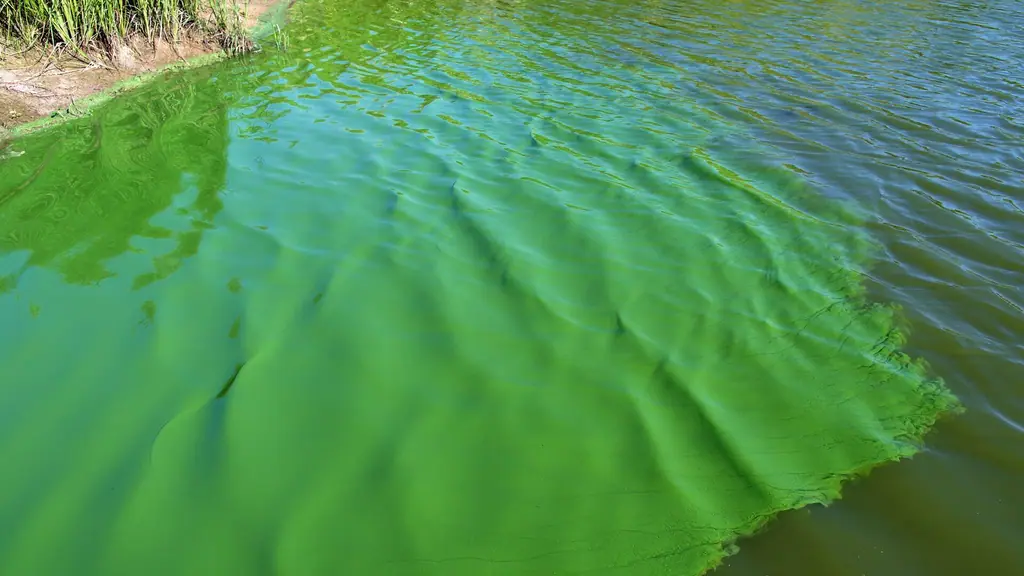
The CDC lists nitrates, radionuclides and toxins made by cyanobacteria as examples of substances that need special treatment where they occur. Our article on nutrient pollution and algal blooms explains why toxic algae have become a concern for reservoirs.
How safe is the result?
In England, the Drinking Water Inspectorate reported that public supplies met drinking-water standards in 99.97 per cent of tests in 2025. The standards are built on the World Health Organization's guidelines, which identify E. coli as the key indicator of faecal contamination; our guide to water quality explains why scientists test for indicator organisms rather than every possible pathogen.
The small fraction of failures matters, and regulators investigate each one. Some failures arise at treatment works; others arise in the pipes between the works and the tap, including in household plumbing, which is the property owner's responsibility.
Drinking water treatment is not sewage treatment
Wastewater (sewage) treatment works do a different job. They take used water from homes, businesses and road drains and clean it enough to return it to a river or the sea, not to drink. The US Geological Survey explains that the main goal is to remove as much of the suspended solids as possible before discharge, because decaying solids use up the oxygen that river life needs. It notes that primary treatment removes about 60 per cent of suspended solids, and secondary treatment, which uses bacteria to break down organic matter, removes more than 90 per cent. Some works add tertiary treatment to remove nutrients such as phosphorus.
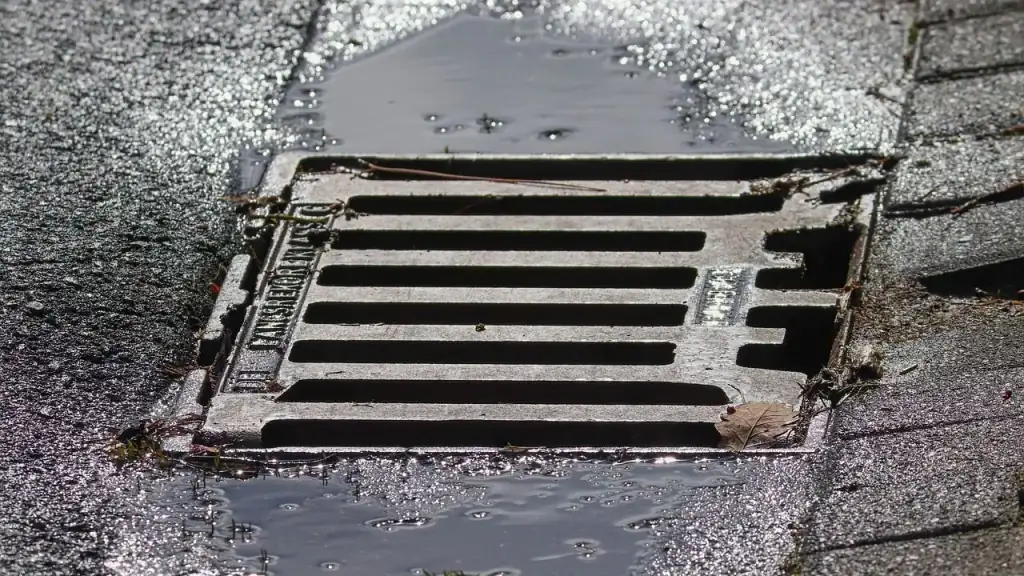
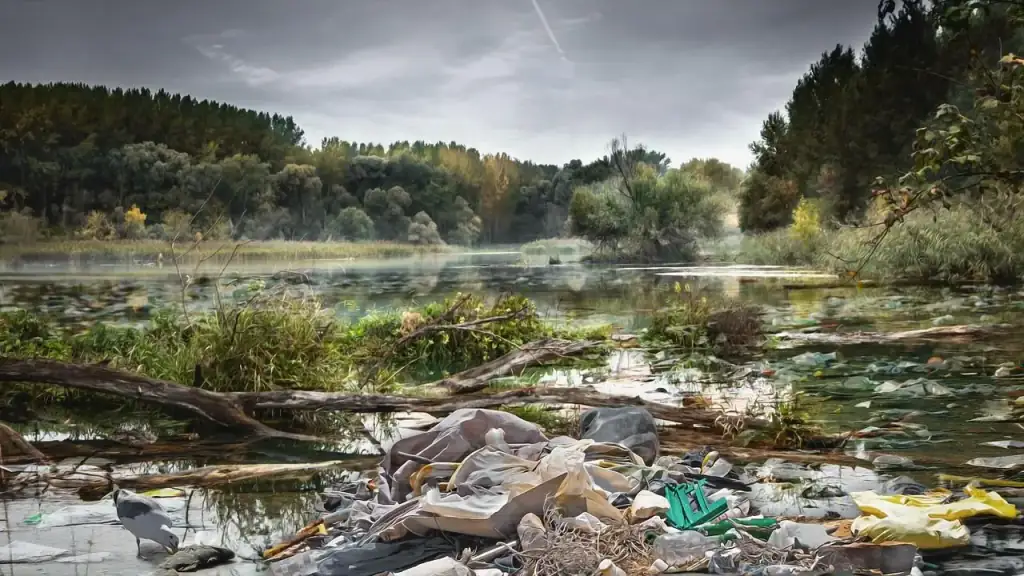
That treated effluent then becomes part of a river that may be abstracted downstream for drinking water and treated again. Anything that sewage works cannot remove easily, from medicines to plastic fibres, passes on into the environment, which is why our guide to what not to flush or pour down the drain matters for the whole water cycle.
Finding out about your own water
- Check your supplier's report. Water companies publish water-quality data for each supply zone; in England and Wales you can usually search by postcode on your supplier's website.
- Know who to call. Discoloured water, unusual tastes or a loss of pressure should be reported to your water supplier. If a "boil water" notice is issued, follow it until it is lifted.
- Private supplies need care. Households on private wells, boreholes or springs are responsible for their own supply. Local councils in the UK can advise on testing; elsewhere, contact the local health or environmental authority.
- Look upstream. The quality of a river or aquifer shapes how much treatment its water needs. Our water quality and pollution section explains the pressures on raw water and what reduces them.
Sources
- How Water Treatment WorksUS Centers for Disease Control and Prevention
- Drinking Water 2025: water supplies and testing (Summary of the Chief Inspector's report for drinking water in England)Drinking Water Inspectorate
- Drinking Water 2025: foreword (Summary of the Chief Inspector's report for drinking water in England)Drinking Water Inspectorate
- Guidelines for drinking-water quality: fourth edition incorporating the first and second addendaWorld Health Organization
- Health and Care Bill: water fluoridationDepartment of Health and Social Care, GOV.UK
- Wastewater Treatment Water UseU.S. Geological Survey, Water Science School
Spotted an error? Write to contact@freshwateraction.net. Our editorial policy explains how we correct articles.