Plastic Pollution in Rivers and Lakes
How plastic gets into rivers and lakes, why most of it stays there for years, what microplastics are, how wildlife is affected and which measures reduce it.
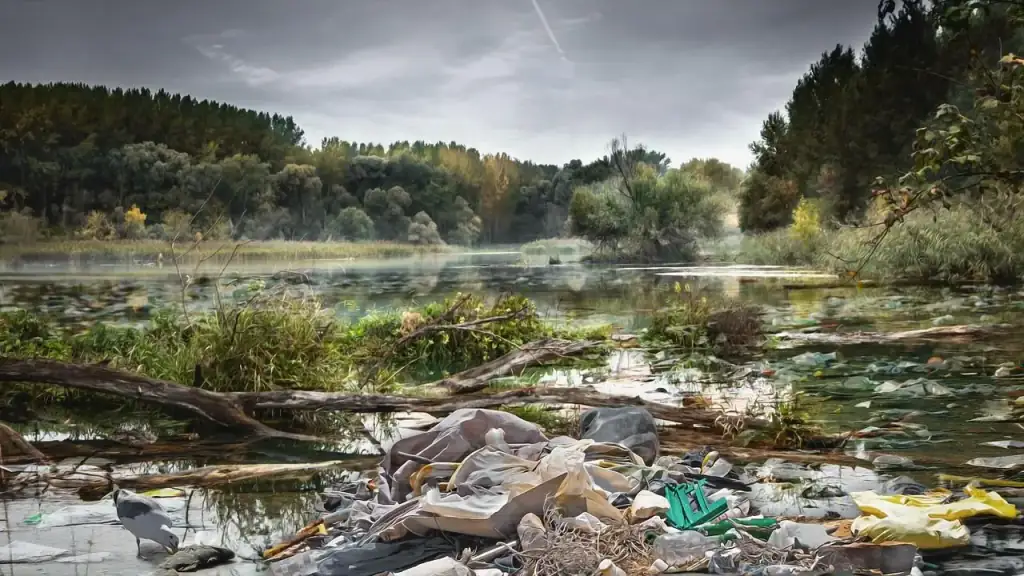
Rivers are often described as conveyor belts carrying plastic to the sea. A modelling study published in Science Advances in 2021 by Lourens Meijer and colleagues estimated that rivers deliver between 0.8 million and 2.7 million tonnes of plastic to the ocean each year, and that the load is spread far more widely than earlier studies suggested. Rather than a handful of giant rivers, the authors found that 1,656 rivers account for 80 per cent of the total, with small urban rivers among the most polluting. In their model, a piece of waste dropped near a river in a coastal city had a far higher chance of reaching the sea than one dropped far inland.
Yet the same research group has also argued that the conveyor-belt picture is incomplete. Most plastic that enters rivers never reaches the sea at all. It snags on banks, settles into sediment, collects behind weirs and in floodplain vegetation, and can stay there for years or decades.
This article explains where plastic in fresh water comes from, the difference between large litter and microplastics, why rivers behave as long-term stores of plastic, what is known (and not yet known) about the effects on wildlife, and which measures make a real difference.
How plastic gets into rivers and lakes
Plastic reaches fresh water by several routes, and the mix varies from place to place:
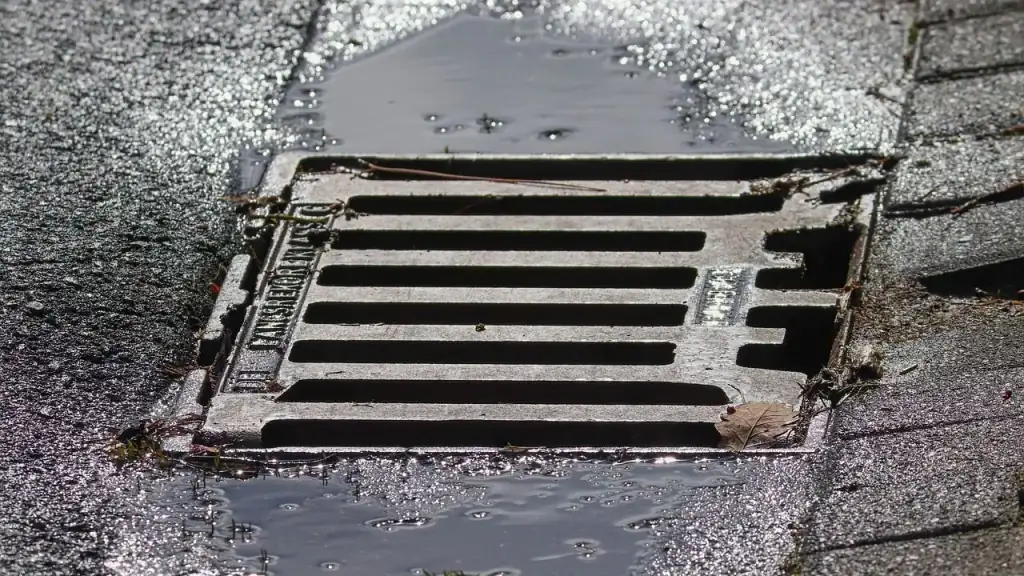
- Litter and poorly managed waste. Bottles, bags, food wrappers and packaging dropped in streets, blown from overflowing bins or leaking from open dumps are washed into drains and streams by rain and carried by wind. The Meijer study built its model from data on mismanaged plastic waste, land use, wind, rainfall and river networks for exactly this reason.
- Sewers. Items flushed down toilets, especially wet wipes and sanitary products, can escape to rivers when sewers overflow in heavy rain. The UK government noted in 2025 that wet wipes containing plastic can break down into microplastics once flushed. Our guide to what not to flush explains how this happens.
- Laundry and everyday wear. Synthetic clothes shed tiny fibres in the wash. The European Environment Agency (EEA) estimates that, globally, 16 to 35 per cent of microplastics released to the oceans come from synthetic textiles, and that between 200,000 and 500,000 tonnes of microplastics from textiles enter the global marine environment each year. Much of that passes through rivers on the way.
- Products and production. Microbeads once used as scrubbing agents in cosmetics and toothpastes, and the small resin pellets used to manufacture plastic goods, can be lost to drains and waterways.
- Breakdown of larger items. Sunlight, abrasion and temperature changes fragment plastic already in the environment into ever smaller pieces.
In numbers: Rivers are estimated to carry between 0.8 million and 2.7 million tonnes of plastic into the ocean each year, with more than 1,000 rivers responsible for 80 per cent of that load.
Source: Meijer et al., Science Advances, 2021.
Large plastic and microplastics
Scientists sort plastic debris by size, because size controls how it moves, where it ends up and which animals encounter it.
| Category | Size | Typical examples | Main routes into fresh water |
|---|---|---|---|
| Macroplastic | Larger than about 5 mm | Bottles, bags, wrappers, wet wipes, fishing line | Litter, wind, drains, sewer overflows, dumping |
| Microplastic | Smaller than 5 mm | Fragments, fibres, pellets, microbeads | Breakdown of larger items, laundry and wastewater, spills of pellets, cosmetics (before bans) |
Size boundaries follow the US National Oceanic and Atmospheric Administration (NOAA) definition of microplastics as pieces less than five millimetres long. Some researchers use other cut-offs; the river-retention study cited below treats macroplastic as larger than 0.5 cm.
NOAA describes microplastics as roughly the size of a pencil eraser or smaller, and notes that microbeads are small enough to pass through water filtration systems and reach waterways. Researchers often distinguish primary microplastics, which are manufactured small (pellets, microbeads), from secondary microplastics, which form when larger items break apart.
Rivers as stores, not just pathways
It is tempting to assume that whatever plastic falls into a river is soon washed out to sea. A 2022 perspective paper in Frontiers in Water by Tim van Emmerik and colleagues at Wageningen University argued the opposite. Drawing on field observations from several river systems, they concluded that most plastics that leak into the environment never reach the ocean, and that the vast majority "can be retained for years, decades, and potentially centuries". They point out that, according to the Meijer model, less than 2 per cent of plastic waste that leaks into the environment ends up in the marine environment.
Plastic is held in many parts of a river system:
- Riverbanks and vegetation, where floating items are stranded as water levels fall and become tangled in reeds, roots and overhanging branches.
- Floodplains, where floods leave a line of debris across fields and woodland.
- Riverbed sediments, where heavier plastics and many microplastics settle, particularly in slow-flowing reaches.
- Lakes and reservoirs, which act as traps on the river's route.
- Estuaries, where tides push material back and forth for long periods.
The same paper notes that these stores empty mainly during extreme conditions such as storms and floods, when high flows remobilise plastic that has accumulated over many months. That has two practical consequences. First, plastic measured at a river mouth on an ordinary day greatly understates how much is present in the catchment. Second, the plastic in a river today partly reflects decisions made years ago; even if all new inputs stopped, old material would keep reappearing.
Key idea: Rivers do carry plastic to the sea, but they also store most of the plastic that enters them, on banks, floodplains and riverbeds, releasing it in pulses during floods.
Effects on freshwater wildlife
The most visible harm comes from large plastic. Van Emmerik and colleagues note that macroplastics can directly injure and kill animals and plants. Birds can tangle in discarded fishing line, nest material can include plastic strapping, and mats of trapped litter can smother vegetation.
Microplastics raise subtler questions. NOAA notes that aquatic life and birds can mistake them for food, and particles small enough to be eaten by filter-feeding insects and young fish are present in many rivers and lakes. Plastics also contain chemical additives, and the EEA lists the leaching of toxic components among the environmental impacts of discarded plastic. The EEA also describes the contamination of ecosystems and the food chain with microplastics as an environmental impact of discarded plastic, noting that particles can eventually reach people, with health effects that are not yet known.
What scientists cannot yet say with confidence is how much harm current concentrations cause to whole populations of freshwater species, compared with the other pressures on rivers such as nutrient pollution, habitat loss and sewage. Measurements are difficult: different studies use different mesh sizes, sampling methods and particle definitions, so results are hard to compare. Good research on this topic is careful about saying what has been demonstrated in the laboratory and what has been observed in the wild.
On drinking water, the EEA states that human exposure to microplastics through drinking water is thought to be low in Europe, while adding that there is not enough evidence to confirm this. Conventional treatment, described in our guide to how drinking water treatment works, removes most particles along with other suspended material.
What reduces plastic in fresh water
Because plastic in rivers comes from many sources, no single fix works. The measures with the clearest effect act before plastic reaches the water.
Waste collection and management. The Meijer study found that the probability of waste reaching the sea was highest in coastal cities with high rainfall and poor waste collection. Reliable collection, covered bins and controlled disposal remove plastic from the system at source, and they matter most where services are weakest.
Product rules. In the UK, a ban on manufacturing rinse-off cosmetics and personal care products containing microbeads took effect in January 2018, followed by a ban on their sale in England and Scotland on 19 June 2018. In November 2025 the government signed into law a ban on the supply and sale of wet wipes containing plastic in England, which takes effect in May 2027; announcing it, the government cited UK Water Industry Research findings that wet wipes contribute to 94 per cent of sewer blockages.
Better sewers and drains. Reducing sewer overflows, fitting screens at overflow outlets and installing litter traps on urban drains and streams stop material that would otherwise go straight to the river.
Removal where it collects. Organised clean-ups of banks and floodplains are most effective in the places where plastic accumulates, and records from volunteer litter surveys help councils and agencies see where it comes from. Anyone taking part should do so with an organised group (children with adult supervision), wear gloves, stay away from the water's edge on steep or slippery banks and wash hands with soap afterwards.
Household habits. Putting wipes, cotton buds and sanitary items in the bin rather than the toilet, carrying a reusable bottle, and not leaving litter near water all cut the inputs that are easiest to control.
What you can look for and do
Next time you walk beside a river, look at the strandline on the bank after high water, the debris tangled in low branches and the litter gathered behind weirs and footbridges. These are the river's plastic stores, and their contents (wipes, bottle tops, food wrappers, cotton-bud sticks) often reveal where the plastic came from.
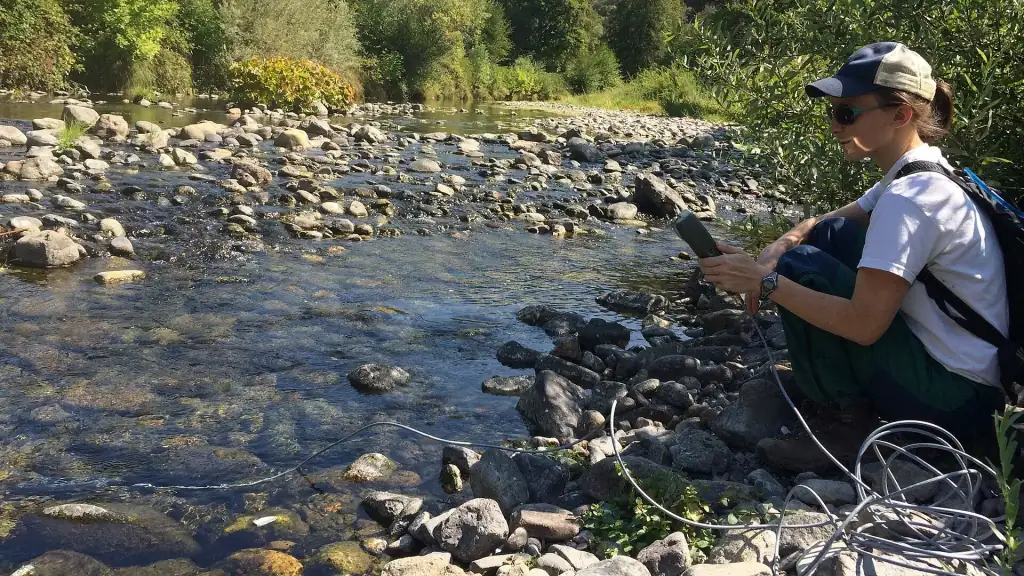
If you want to measure your local stream rather than just observe it, our guide to freshwater citizen science describes established programmes that welcome volunteers. Plastic is one of several pressures on rivers; our guide to water quality explains how scientists measure the others, and the water quality and pollution section has more on each of them.
Sources
- More than 1000 rivers account for 80% of global riverine plastic emissions into the ocean (Meijer et al., Science Advances, 2021)Science Advances (via PubMed Central)
- Rivers as Plastic Reservoirs (van Emmerik et al., Frontiers in Water, 2022)Frontiers in Water
- What are microplastics?National Oceanic and Atmospheric Administration (NOAA), National Ocean Service
- PlasticsEuropean Environment Agency
- World leading microbeads ban comes into forceDepartment for Environment, Food & Rural Affairs, GOV.UK
- New law bans plastic wet wipes to protect rivers and seasDepartment for Environment, Food & Rural Affairs, GOV.UK
Spotted an error? Write to contact@freshwateraction.net. Our editorial policy explains how we correct articles.