Sustainable Living
Gardening for Clean Water: Rain Gardens, Soil and Fewer Chemicals
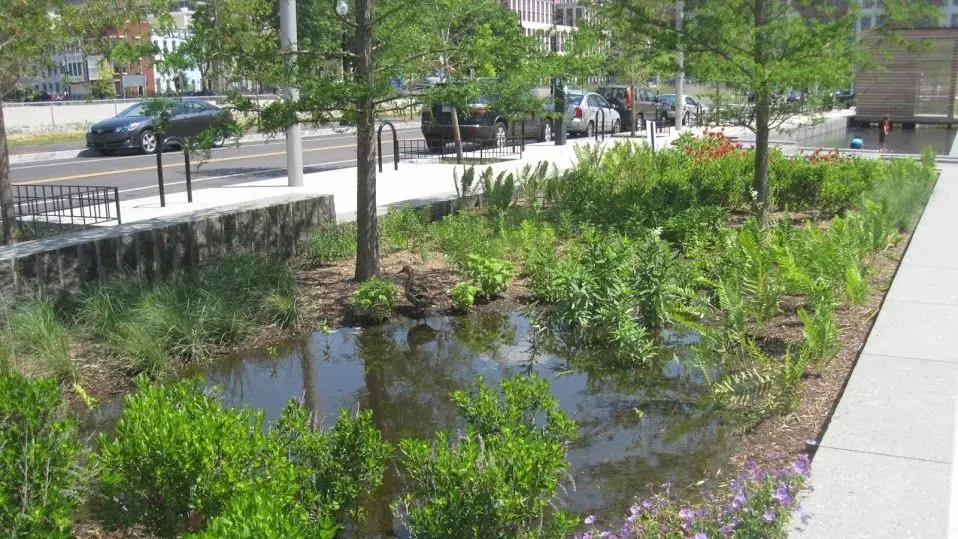
How gardens can protect rivers: permeable surfaces, rain garden sizing and planting, careful fertiliser use and peat-free compost, using RHS and EPA advice.
Every article published on FreshwaterAction, newest first: water science, rivers and wetlands, wildlife, water quality, conservation, sanitation and water rights.
How gardens can protect rivers: permeable surfaces, rain garden sizing and planting, careful fertiliser use and peat-free compost, using RHS and EPA advice.
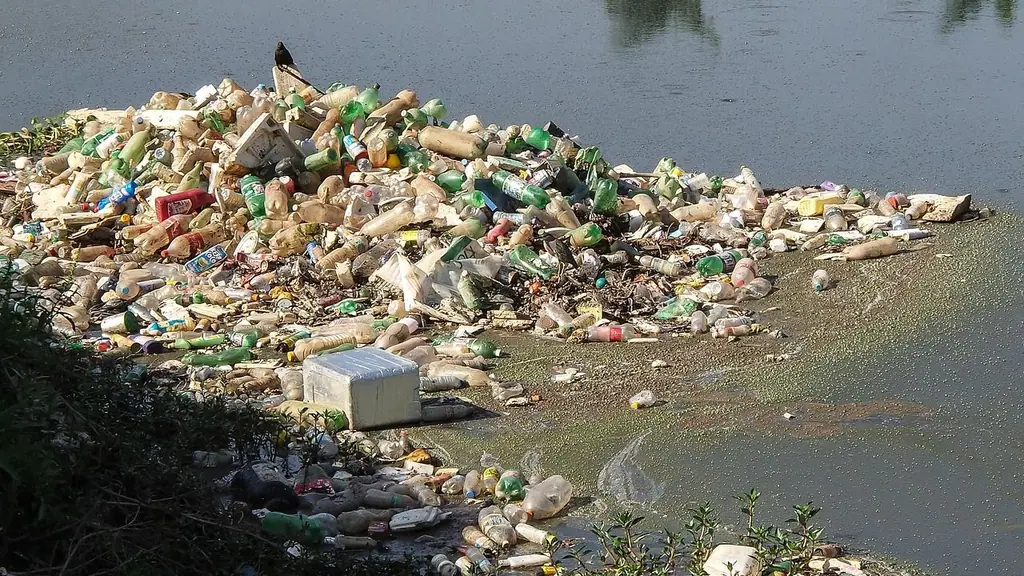
How household rubbish reaches rivers and groundwater, and what to do about it: the waste hierarchy, litter, landfill leachate, hazardous waste and composting.
Everyday habits that protect rivers and water supplies, with the evidence behind each: water and hot water, drains, cleaning, laundry, gardens, food and waste.

How families can explore ponds, streams and wetlands safely: what to take, how to pond dip, what to look for each season, and how to leave wildlife undisturbed.
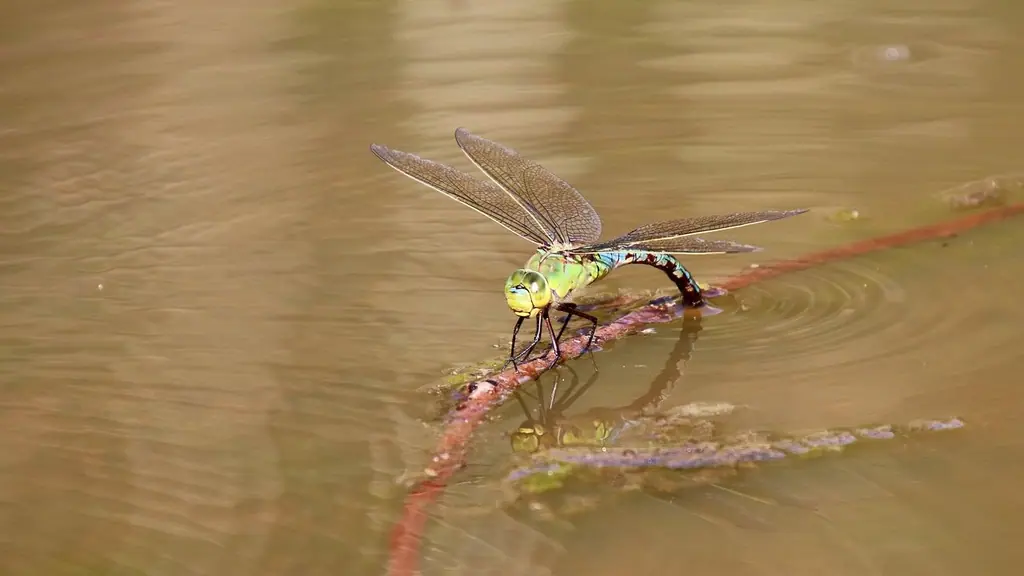
Water and wildlife projects for schools: a site water audit, rain mapping, a rain garden and a pond study, with curriculum links, safety steps and permissions.
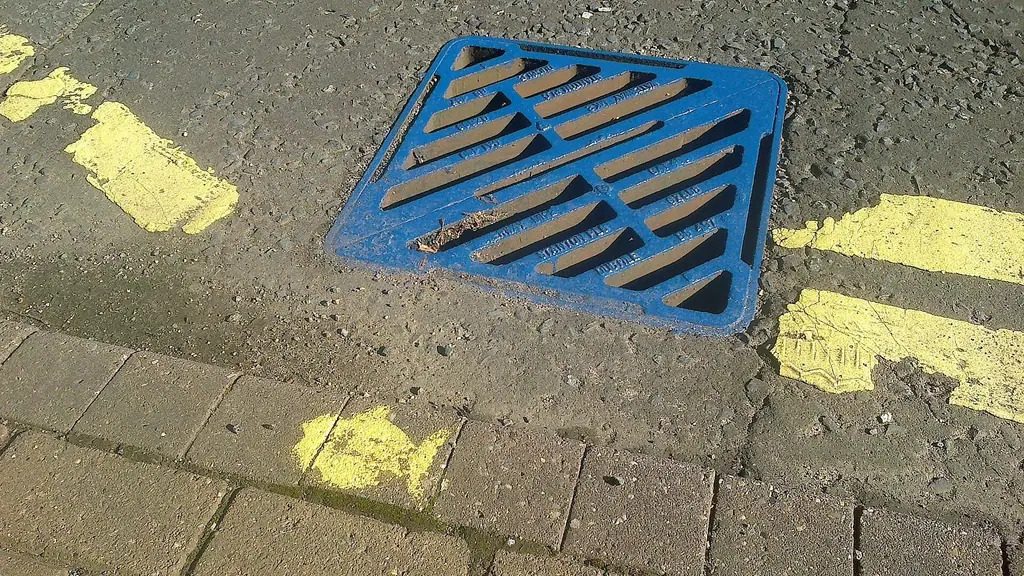
A calm, practical approach to teaching children about river pollution: key ideas, a safe tabletop polluted-river model, discussion prompts and local action.
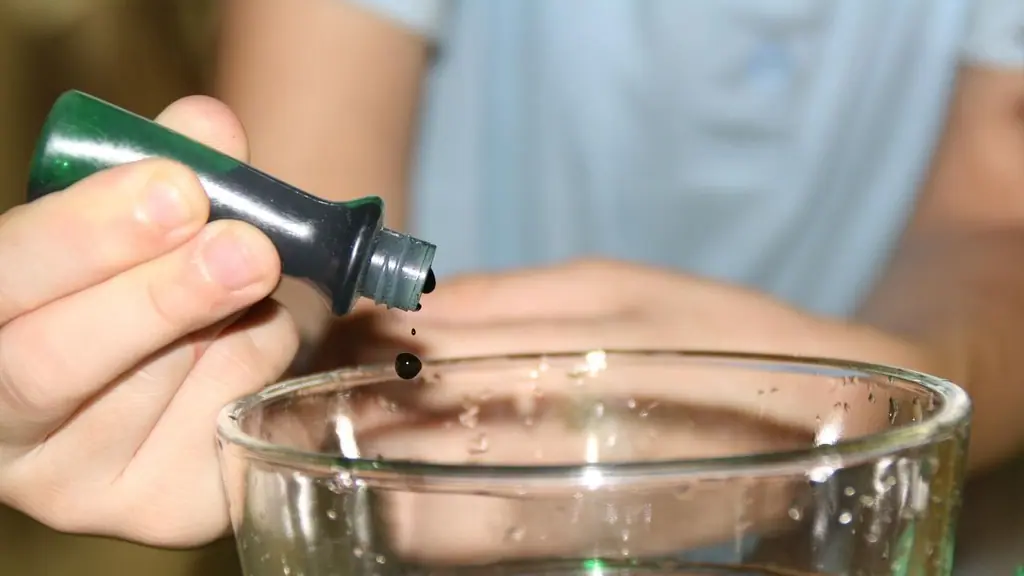
Seven safe water experiments for home or class using kitchen materials, from surface tension and salt layers to evaporation and a rain gauge, with the science.
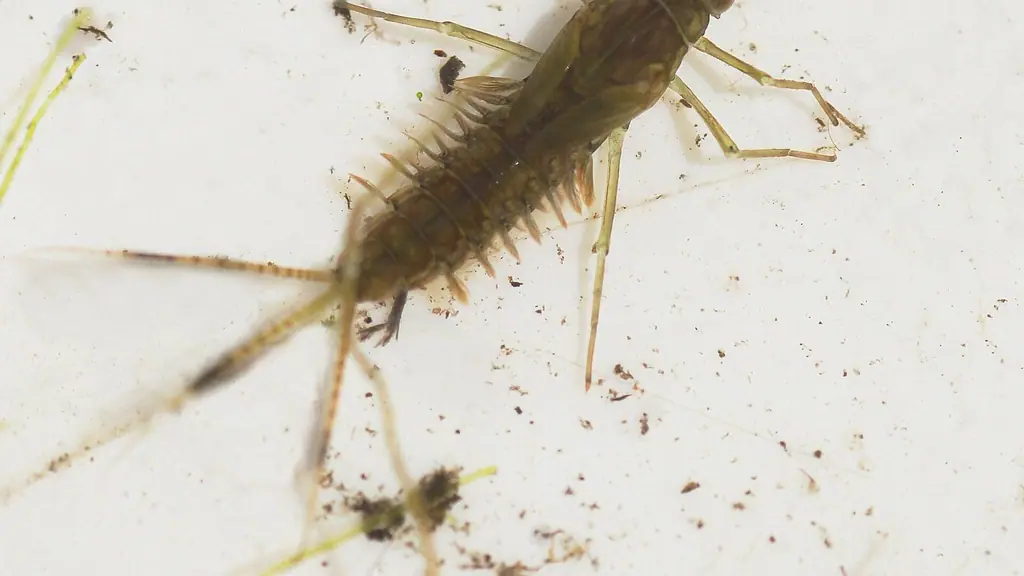
How kick sampling works, how to sort and identify river invertebrates, what sensitive and tolerant animals say about water quality, and how to sample safely.
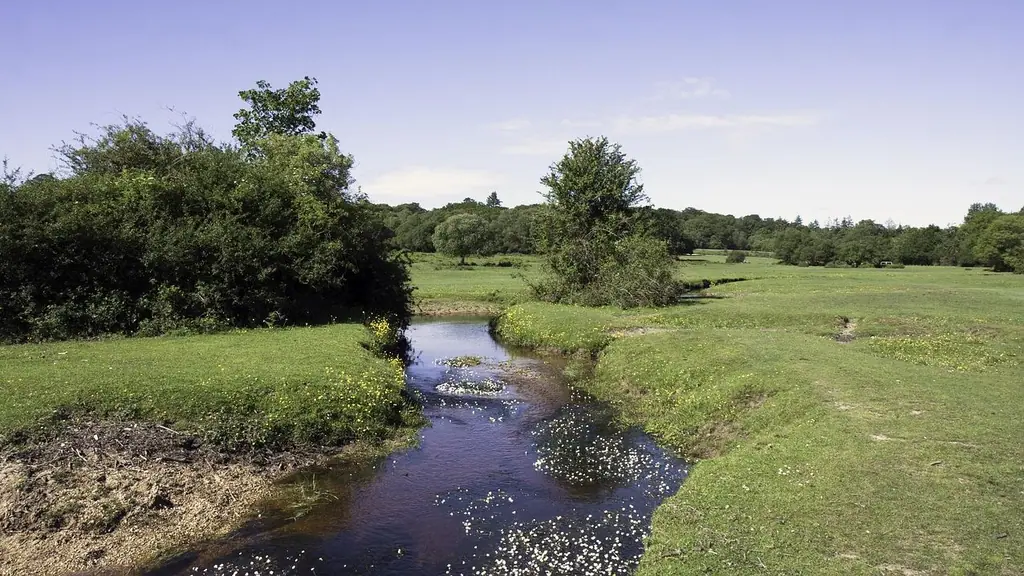
Plan and carry out a safe stream survey: risk assessment, width and depth, timing a float to find velocity, estimating discharge and recording what you see.
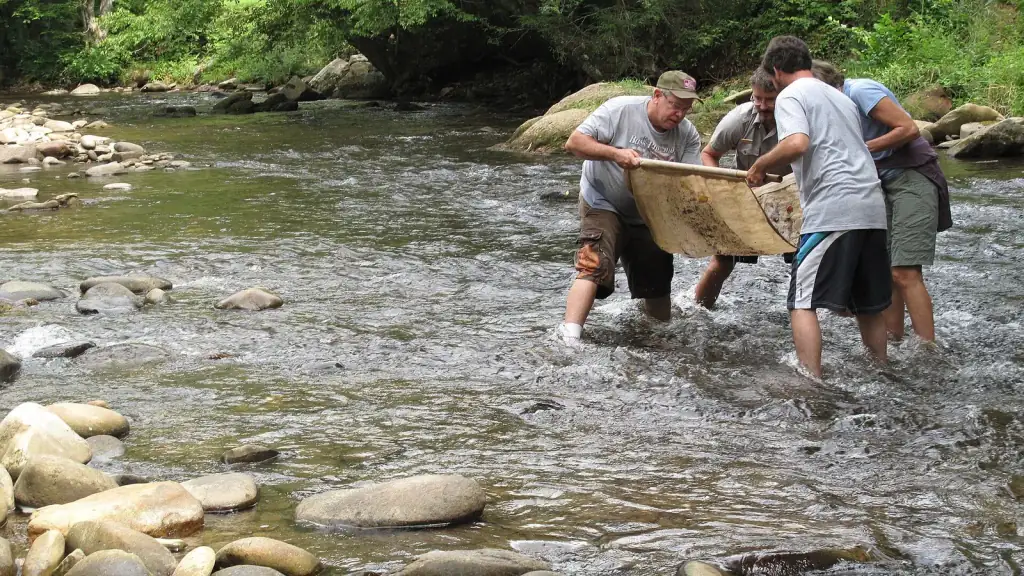
How volunteers monitor rivers, ponds and lakes: real schemes to join, what they measure, how the data are used, and how to keep data reliable and stay safe.

How countries share rivers, lakes and aquifers across borders: the two UN water conventions, river basin organisations, and what SDG indicator 6.5.2 measures.
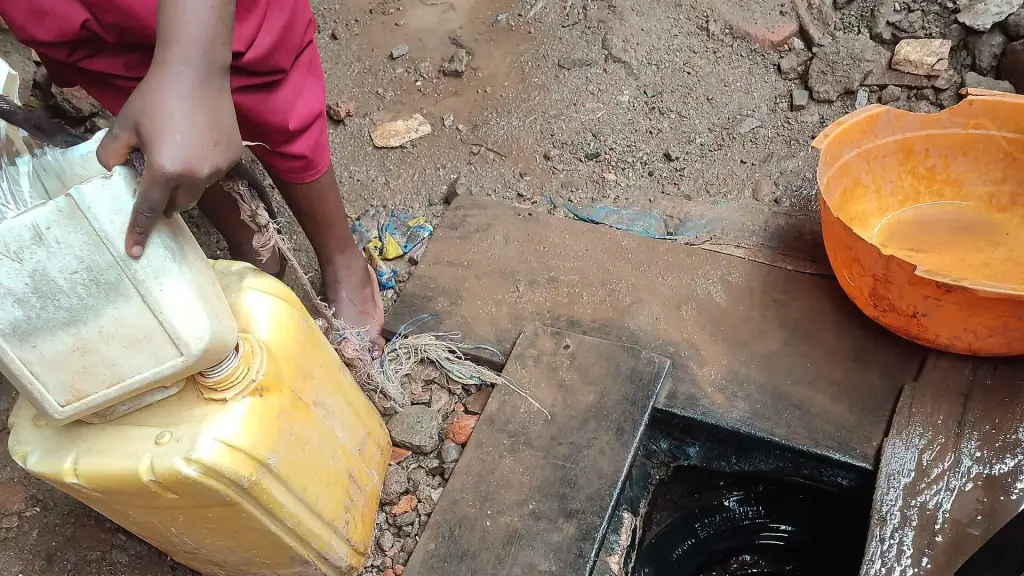
Who carries water when there is no tap at home, how the 30-minute threshold works, what surveys show about women and girls, and the costs to health and time.