Ponds: Small Waters with Big Value for Wildlife
Why small ponds support so much freshwater wildlife, why so many have been lost, and how to create and care for a clean-water wildlife pond safely.
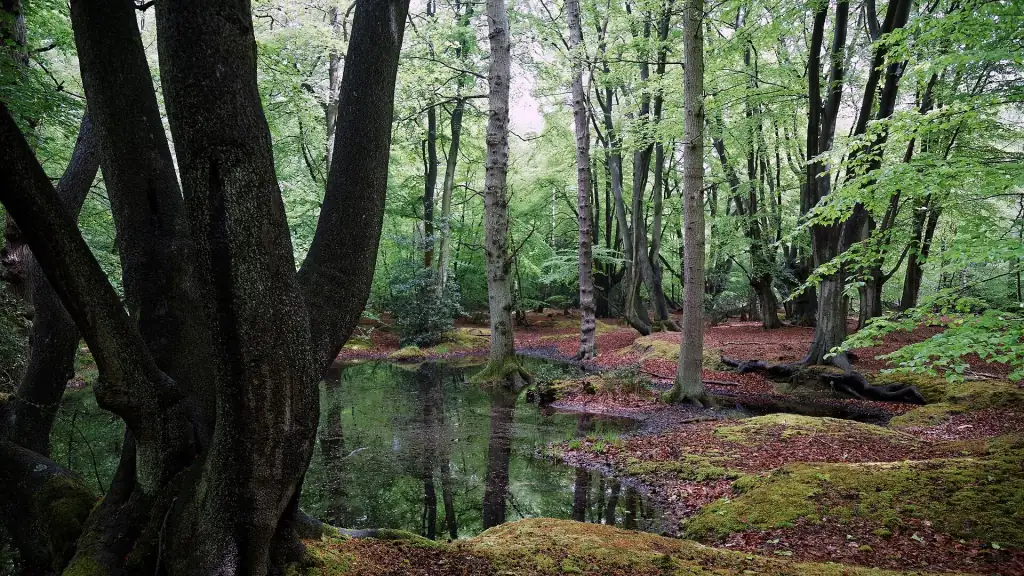
Within a few weeks of filling, a new pond dug in a garden or a field corner starts to come alive without anyone adding a thing. Water boatmen and diving beetles fly in. Pond skaters appear on the surface. Algae and tiny crustaceans arrive on the feet of birds and the wind. By the second spring there may be frogspawn, and by the second summer the first dragonflies may be emerging from larvae that hatched in the water.
Ponds are the smallest of fresh waters, but they punch far above their size. The Freshwater Habitats Trust, a UK charity that researches and protects small waters, states that two-thirds of all freshwater species can be found in ponds, and that, taken together across a landscape, ponds support more species of aquatic invertebrates and plants than lakes or rivers.
This article explains why ponds are so valuable, what has happened to them, and how to create and care for a wildlife pond, with the safety precautions that must come first wherever young children are around. It is part of our wetlands and biodiversity coverage.
Why small waters matter so much
A single pond is small, but ponds are many and varied. Each one differs from its neighbours in size, depth, shade, water source, age and how long it holds water. A cluster of ponds in a landscape therefore offers many different habitats, and between them they support a wider range of species than one large water body would.
The Freshwater Habitats Trust summarises research from the last two decades in three points:
- Collectively rich. Ponds support more species of macroinvertebrates and plants than lakes or rivers at the landscape scale.
- Home to rarities. Ponds hold more rare and uncommon species than larger water bodies; the Trust reports that one in four seasonal ponds in places such as woodland, old meadows and heathland supports a rare Red Data Book species.
- Stepping stones. In fragmented farmland and towns, small waters act as refuges and stepping stones that let wildlife move through the landscape.
High-quality ponds, the Trust says, can support up to two-thirds of all freshwater plant and animal species in a landscape. It also estimates that small waters make up about 80 per cent of the freshwater environment.
Clean water is the key
Ponds have one great advantage over rivers and large lakes: many have small catchments. A pond fed by rain, groundwater or runoff from woodland or unimproved grassland can have water far cleaner than the rivers in the same area. That clean water is what many specialist pond plants and invertebrates need. Ponds that receive runoff from fertilised fields, roads or drains quickly become nutrient-rich, green and species-poor.
Key idea: One pond is small, but a landscape of varied, clean-water ponds can support more freshwater species than its rivers and lakes.
Seasonal ponds and lost ponds
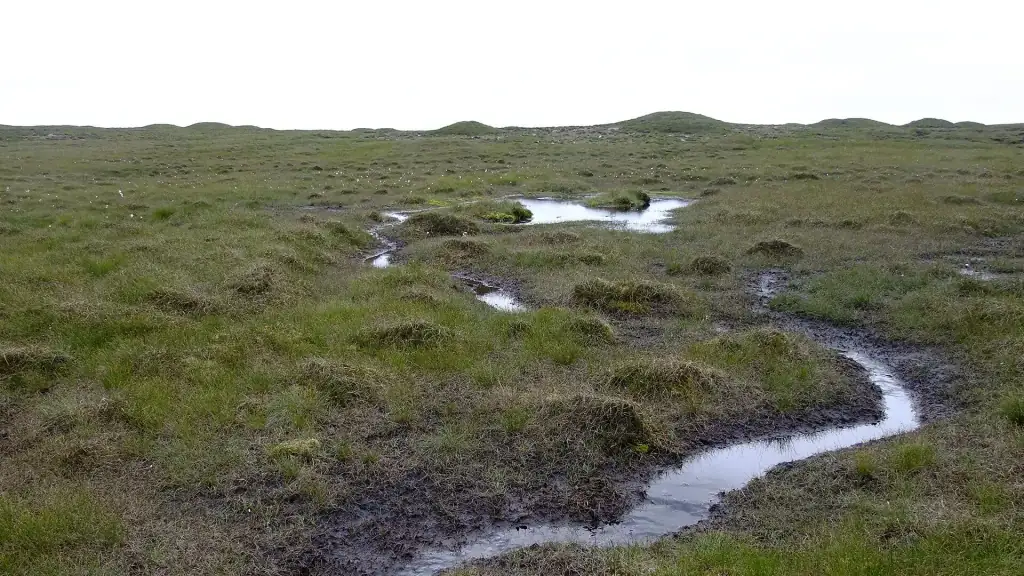
Not every pond holds water all year. Seasonal or temporary ponds dry out in summer and refill in autumn or winter. A dry pond can look like a failure, but drying is part of what makes these ponds special: fish cannot survive in them, so they become refuges for invertebrates and amphibians that are vulnerable to fish predation, and some species are adapted to complete their life cycles before the water disappears.
Many ponds have disappeared altogether. The Freshwater Habitats Trust reports that 50 per cent of UK ponds were lost in the 20th century, mostly filled in or drained as farming intensified, and that 80 per cent of those remaining are in a poor state. It has set an aim of returning to the "million clean water ponds" that once enriched the British landscape.
In numbers: Half of UK ponds were lost during the 20th century, and 80 per cent of the remaining ponds are in a poor state.
Source: Freshwater Habitats Trust.
Life in a pond
Even a small pond can hold a remarkable community:
| Group | Examples you might see in a UK pond |
|---|---|
| Plants | Water-starwort, duckweed, water-crowfoot, rushes, sedges, yellow flag iris |
| Surface insects | Pond skaters, whirligig beetles |
| Swimming insects | Water boatmen, lesser water boatmen, diving beetles |
| Larvae and nymphs | Dragonfly and damselfly nymphs, mayfly nymphs, caddisfly larvae (often in cases of sticks or stones) |
| Other invertebrates | Freshwater snails, leeches, freshwater shrimps, water fleas |
| Amphibians | Common frog, common toad, smooth and palmate newts; great crested newts in some areas |
| Visitors | Birds drinking and bathing, bats and swallows feeding on emerging insects, grass snakes hunting |
Our guide to freshwater wildlife identification explains how to tell many of these apart.
Protected species
The great crested newt is legally protected in Britain. In England, government guidance explains that, under the Conservation of Habitats and Species Regulations 2017, it is an offence to deliberately capture, injure, kill or disturb great crested newts, to destroy their eggs, or to damage or destroy their breeding sites and resting places, even when the newts are not present. Surveys that involve catching or disturbing them need a licence. If you think you have great crested newts, enjoy watching them, but do not catch or handle them; contact your local wildlife trust or records centre to report the sighting.
How to create a wildlife pond
The Freshwater Habitats Trust's garden pond advice turns some common assumptions upside down. A wildlife pond does not need to be deep, does not need to be planted and should not be filled from the tap.
Safety: RoSPA reports that garden ponds are involved in one in four (26 per cent) of all child drownings in the home, and that there is very little time to act if a young child falls in. If young children live at or visit your home, the safest option is not to have open water: fill an existing pond in, or turn it into a sandpit or flower bed until they are older. Otherwise, cover it with a rigid metal grille that you check regularly, or fence it securely with a fence at least 1.1 metres high and locked gates, and still supervise children closely. Never leave a young child alone near any pond.
With safety decided first, these steps follow the Trust's advice:
- Choose the site. Pick a spot away from drains and fertilised lawns or beds, so the water stays clean. A mix of sun and light shade suits most species.
- Shape it shallow. The Trust recommends that a wildlife pond has lots of shallow water, roughly 50 per cent shallows, with the deepest area no more than 30 cm. Gentle, gradually sloping edges let animals climb in and out. It notes that the standard advice to dig down 50 to 60 cm applies only to fish ponds.
- Line it if needed. On clay soils a pond may hold water naturally; otherwise use a liner, with underlay beneath it to protect against punctures.
- Fill it with rainwater. The Trust advises collecting rainwater, for example in water butts, because most tap water is too rich in nutrients for a clean-water pond.
- Let wildlife arrive. There is no need to plant: plants and animals will colonise naturally. If you do add plants, the Trust recommends local, native, wild-sourced species, never invasive non-native pond plants.
- Leave out fish. Fish eat tadpoles and invertebrates, and the Trust's design advice is for wildlife ponds, not fish ponds.
Several small ponds of different depths and shapes are often better than one larger one, because they create more variety. Once established, a wildlife pond needs little maintenance: remove a little vegetation in autumn if it is filling up, a section at a time, and leave cuttings on the bank for a day so creatures can return to the water.
Pond dipping and looking after ponds
Safety: An adult must supervise every pond-dipping session and stay within arm's reach of young children. Keep off steep or crumbling edges and ice, cover cuts, do not eat near the water, and wash hands with soap afterwards: pond water can carry the bacteria that cause leptospirosis (Weil's disease). Never catch or handle great crested newts.
Ponds are ideal for close-up wildlife watching and simple surveys. A few rules keep both people and pond life safe:
- Supervision. Children should always be with an adult, who stays within arm's reach of young children. Kneel or lie at the edge rather than leaning over from standing.
- Gentle sampling. Sweep a net slowly through the water and empty it into a white tray with a little pond water. Keep animals in shaded pond water for minutes, not hours, then return them gently to where they came from.
- Look, don't take. Never remove animals, spawn or plants, and do not handle amphibians unnecessarily. Never touch or move great crested newts.
- Hygiene. Cover cuts, wear gloves if you have broken skin, do not eat near the water, and wash hands with soap afterwards.
- Biosecurity. Check, clean and dry nets, trays and boots before using them at another pond, so you do not carry diseases or invasive plants between sites.
For more ideas, see our guide to freshwater ecosystems for students and freshwater citizen science, which includes pond surveys you can contribute to. Browse more in our wetlands section.
Sources
- PondsFreshwater Habitats Trust
- Start with the smallest to make the biggest gains for freshwater biodiversityFreshwater Habitats Trust
- Garden Pond Advice HubFreshwater Habitats Trust
- Pond safetyRoyal Society for the Prevention of Accidents (RoSPA)
- Great crested newts: advice for making planning decisionsNatural England and Department for Environment, Food & Rural Affairs
Spotted an error? Write to contact@freshwateraction.net. Our editorial policy explains how we correct articles.