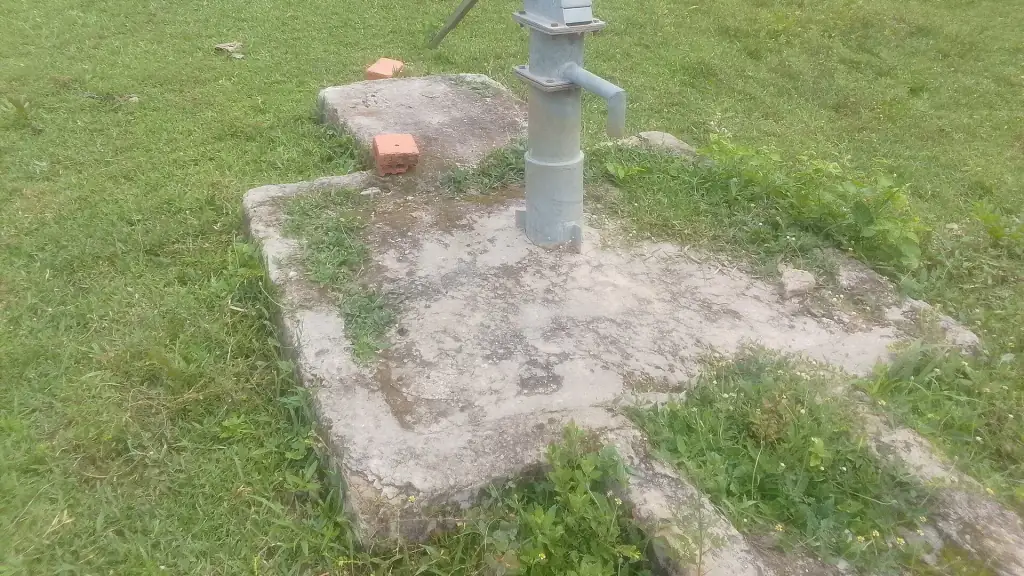
Water Access and Sanitation
SDG 6 Explained: Clean Water and Sanitation for All
What Sustainable Development Goal 6 promises, how its eight targets are measured, what the JMP service ladders mean, and where the world stood in 2024.
Safe drinking water, toilets and hygiene around the world: how access is measured, who still lacks it, and what works to close the gap.
9 articles
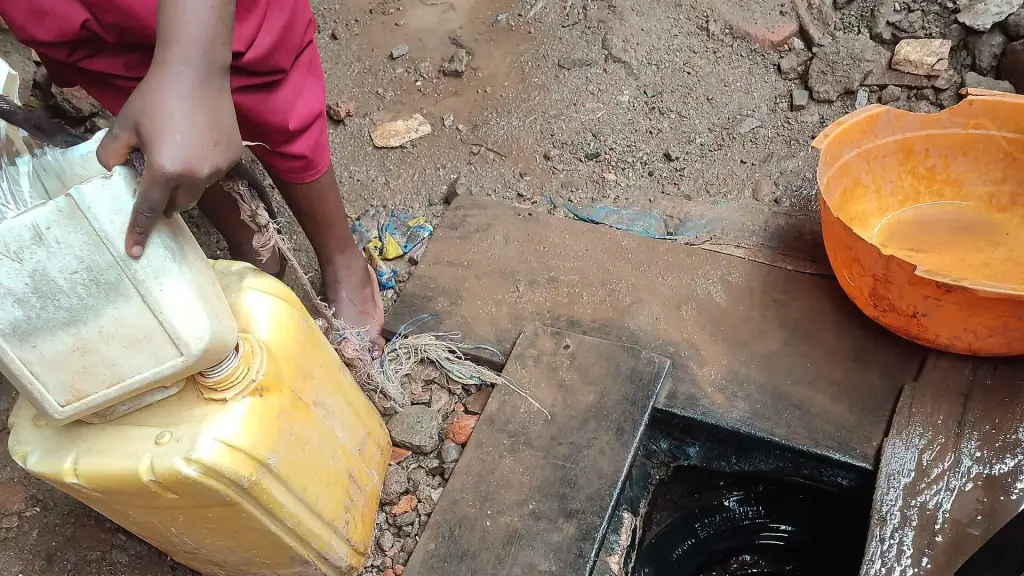
Who carries water when there is no tap at home, how the 30-minute threshold works, what surveys show about women and girls, and the costs to health and time.
What Sustainable Development Goal 6 promises, how its eight targets are measured, what the JMP service ladders mean, and where the world stood in 2024.
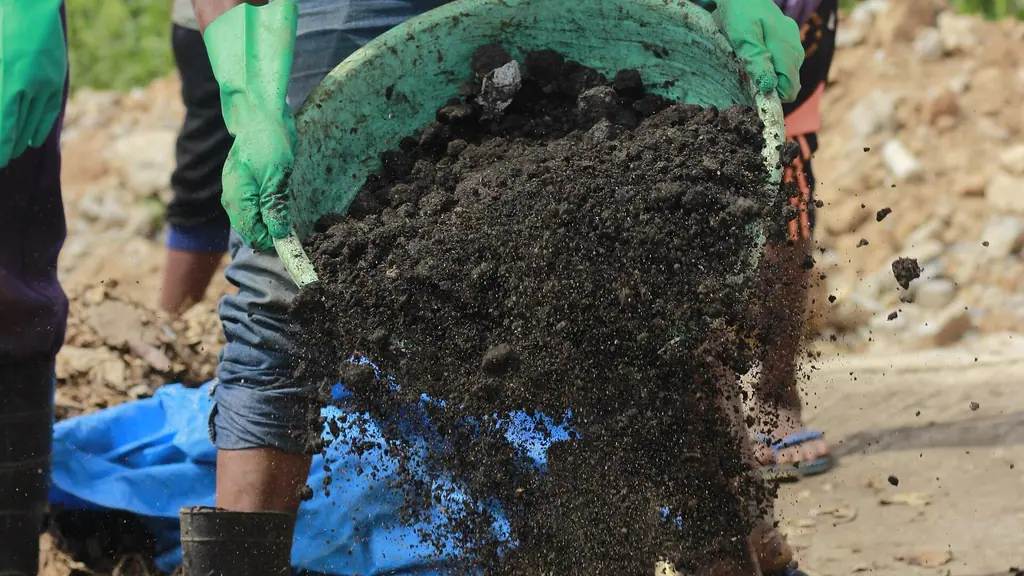
Most toilets in South Asian towns empty into pits and septic tanks, not sewers. How faecal sludge is emptied, transported and treated, and why smaller cities matter.
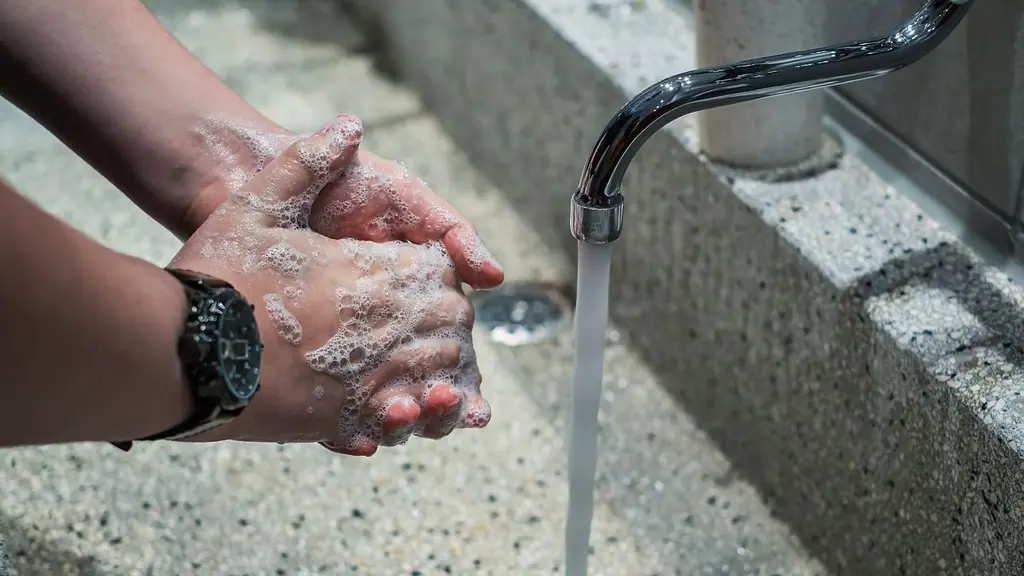
How soap removes germs, what the evidence says about handwashing and diarrhoea, who still lacks a place to wash with soap and water, and how to teach children.
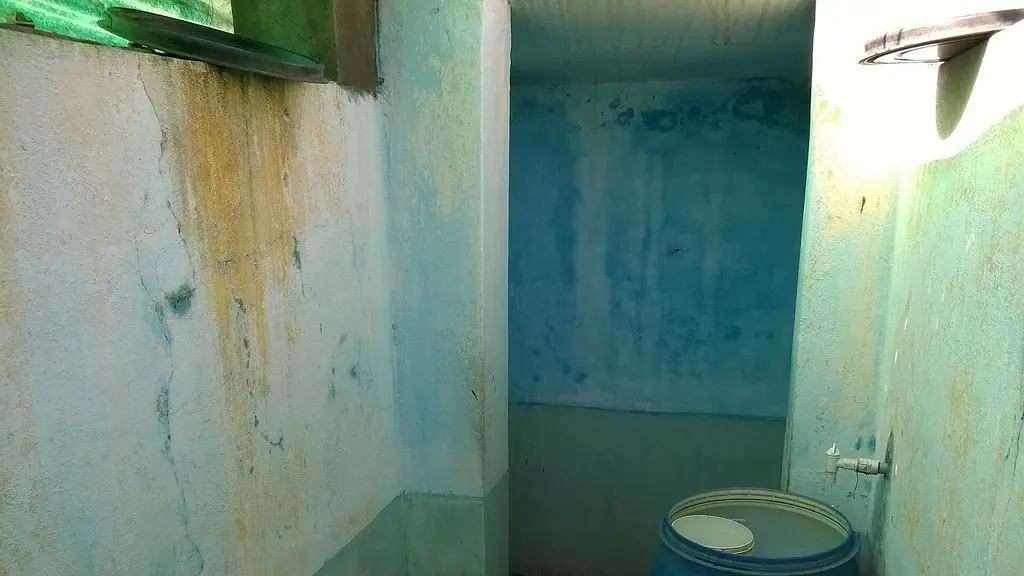
Why school toilets, drinking water and handwashing matter for health, dignity and learning, what India's Supreme Court ordered, and what the latest global data show.
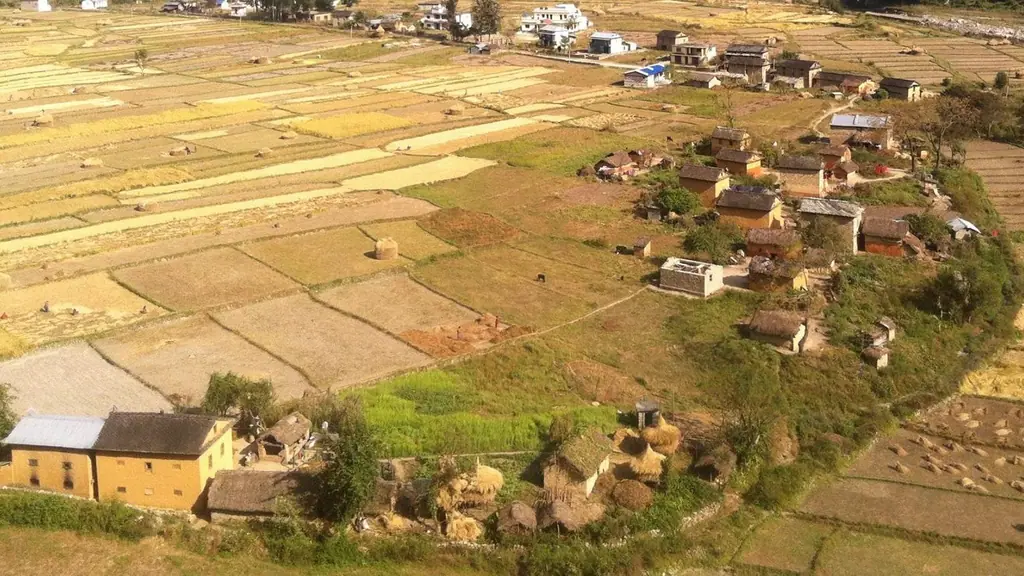
What chhaupadi is, how Nepal's law and communities are tackling it, and why menstrual health is part of the human right to water, sanitation and hygiene.
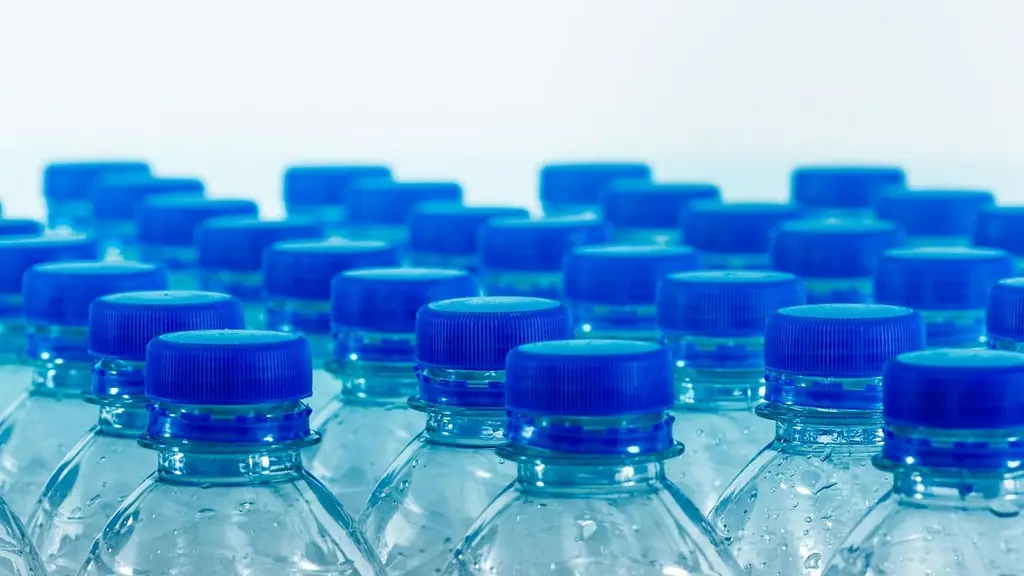
Why bottled and purified water became the everyday drink in Mexico: intermittent supply, distrust of the tap, health policy, household costs and plastic waste.
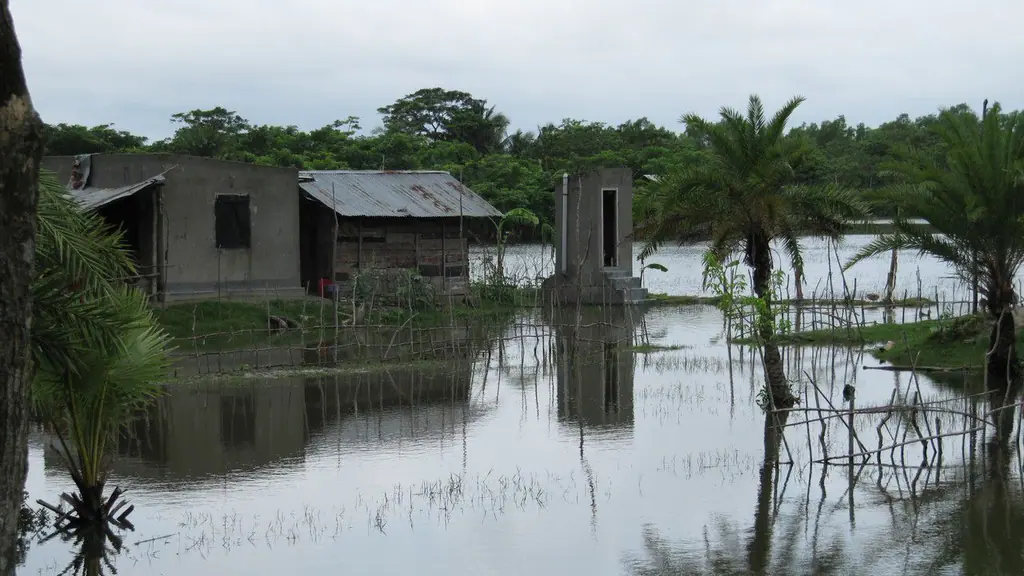
What the South Asian Conference on Sanitation is, what its declarations from Dhaka 2003 to Islamabad 2018 committed governments to, and how far the region has come since.
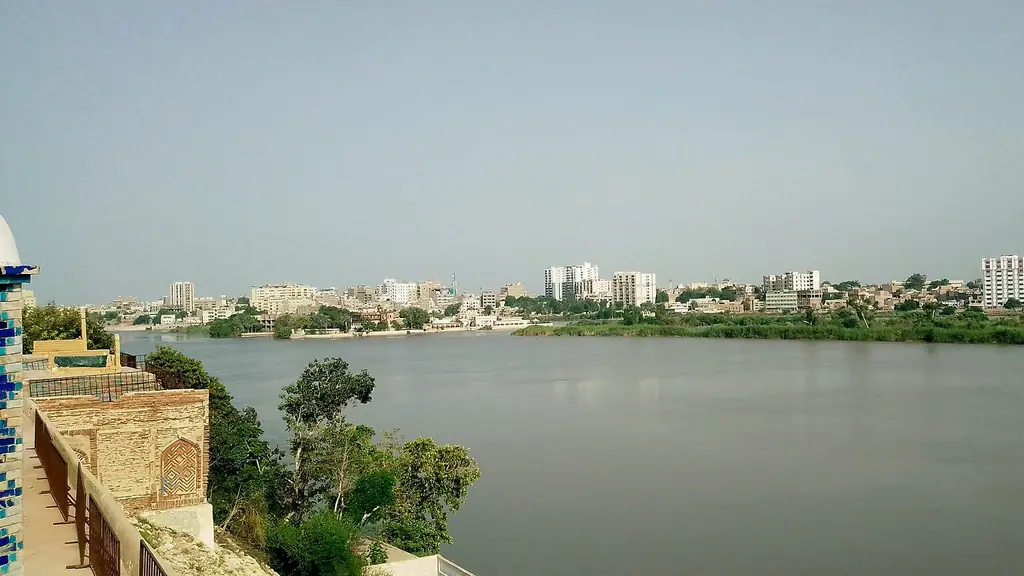
Pakistan's national drinking water standards compared with WHO guidelines, arsenic in Indus Valley groundwater, microbial contamination, and how quality is monitored.