Wetlands and Biodiversity: Why Wet Places Matter
What counts as a wetland, the main types, how wetlands store water, clean it and lock up carbon, why they teem with wildlife, and how fast they are being lost.
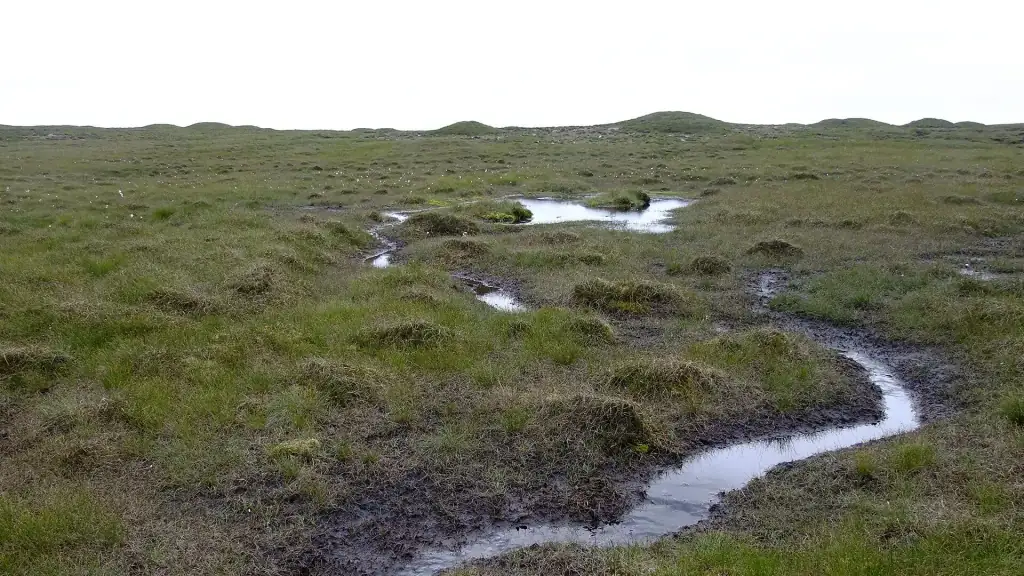
Walk out onto a raised bog in late summer and the ground quakes underfoot. What looks like solid land is a living carpet of sphagnum moss, floating on peat that may be several metres deep and almost entirely water. Sundews trap insects on sticky leaves to make up for the lack of nutrients; dragonflies patrol the dark pools. Nothing about the place behaves like a field, a forest or a lake. It is a wetland, and wetlands are unlike any other habitat.
They are also disappearing fast. According to the Global Wetland Outlook 2025, published by the Convention on Wetlands, an estimated 411 million hectares of wetlands, about 22 per cent of the global total, have been lost since 1970, and around a quarter of the wetlands that remain are in poor ecological condition.
This guide explains what wetlands are, the main types, what they do for water, climate and wildlife, why they are being lost and how they are protected. It links to our more detailed articles on the Ramsar Convention, peatlands and ponds.
What counts as a wetland
Wetlands are places where water shapes the land: where the soil is saturated or covered with water for long enough that it determines which plants and animals can live there. The US Environmental Protection Agency describes wetlands as areas where water covers the soil, or is present at or near the surface, all year or for varying periods during the year, including the growing season.
The international definition is deliberately broad. Article 1 of the 1971 Convention on Wetlands, signed at Ramsar in Iran, defines wetlands as areas of marsh, fen, peatland or water, whether natural or artificial, permanent or temporary, with water that is static or flowing, fresh, brackish or salt, including areas of marine water no deeper than six metres at low tide. Under that definition, rivers, lakes, ponds, reservoirs, rice paddies, saltmarshes, mangroves and coral reefs all count as wetlands.
In everyday and scientific use, the word usually means the in-between places: land that is wet enough, often enough, to develop waterlogged soils and specialised plants.
Key idea: A wetland is defined by water: soil that is saturated or flooded long enough to shape what lives there, whether the water is there all year or only for part of it.
The main types of wetland
Wetlands can be grouped by where their water comes from, what grows in them and whether they build up peat.
| Type | Water source | Typical features | Examples |
|---|---|---|---|
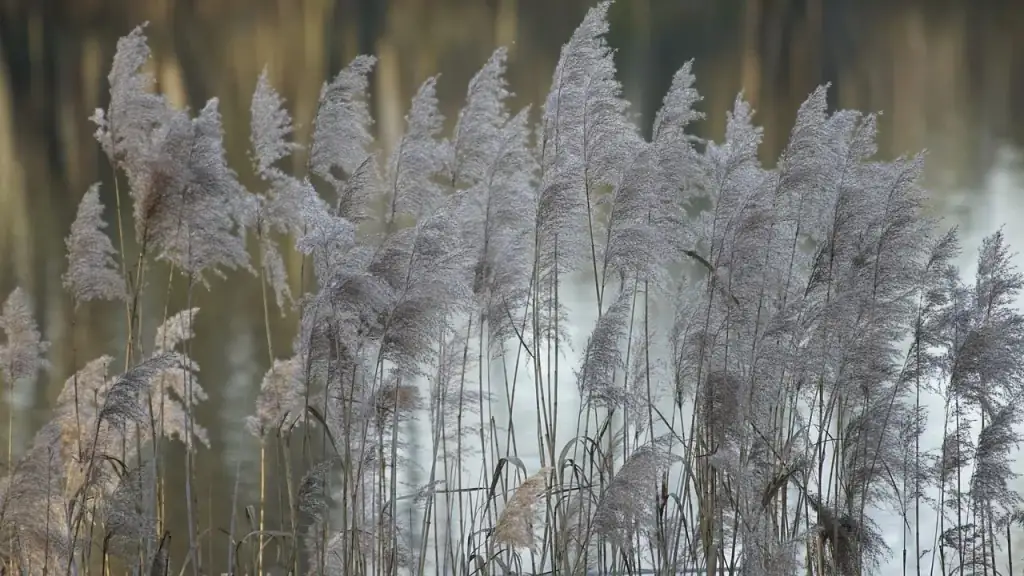
| Marsh | Rivers, lakes, groundwater, tides | Soft-stemmed plants such as reeds, rushes and sedges; mineral soils | Reedbeds, wet meadows, coastal saltmarsh |
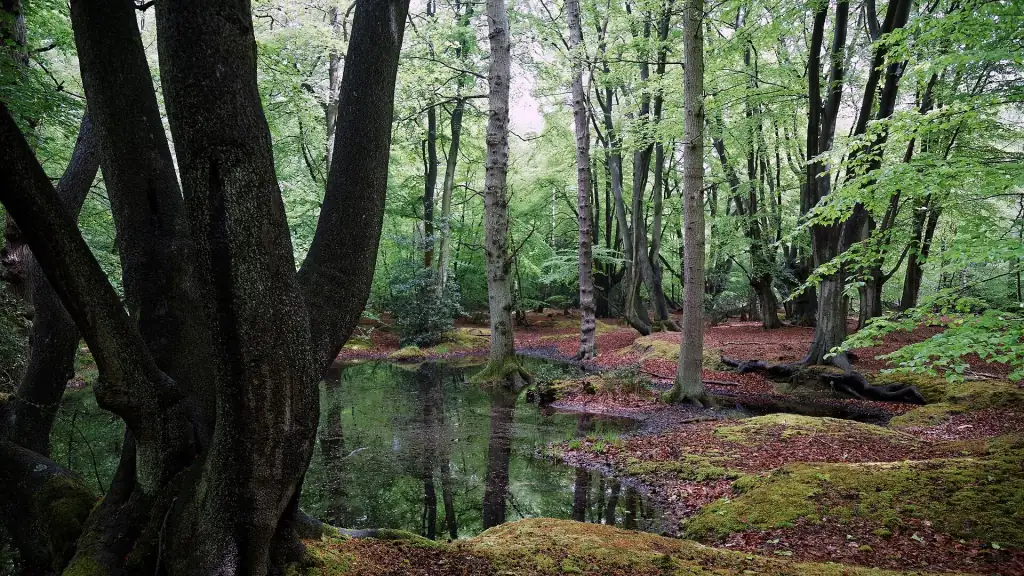
| Swamp | Rivers, lakes, floods | Dominated by trees or shrubs; often flooded seasonally | Wet woodland (carr), flooded forests, mangroves |
| Bog | Rain and snow only | Acidic, nutrient-poor peat; sphagnum mosses | Blanket bogs, raised bogs |
| Fen | Groundwater and surface water as well as rain | Peat; less acidic and more nutrient-rich than bogs | Lowland fens, valley fens |
| Pond and shallow lake | Rain, runoff, groundwater | Open water with plants at the edges; may dry out seasonally | Field ponds, dune slacks, seasonal pools |
| Floodplain | River floods | Land that is wet for part of the year | Washlands, water meadows |
The distinction between bogs and fens matters ecologically. The IUCN UK Peatland Programme describes bogs as ombrotrophic ("rain-fed"): water-shedding systems fed mainly by precipitation, making them acidic and nutrient-poor. Fens are minerotrophic: water-receiving systems fed by surface water and groundwater, which makes them less acidic and often richer in nutrients and species. Peat-forming bogs and fens together make up the world's peatlands, which are covered in detail in our article on peatlands and carbon.
What wetlands do
Wetlands are some of the hardest-working parts of a landscape. Scientists describe their benefits to people as ecosystem services, and the Global Wetland Outlook 2025 estimates that the world's remaining wetlands contribute up to US$39 trillion in benefits each year. Figures like this are estimates built on many assumptions, but they reflect how much depends on wetlands.
Storing and slowing water
Wetlands act like sponges in the landscape. Floodplain marshes, wet woodlands and peat soak up water during storms and release it slowly, lowering flood peaks downstream and keeping rivers flowing in dry spells. The EPA gives a stark example of what happens when that storage is lost: bottomland hardwood wetlands along the Mississippi River once stored at least 60 days of floodwater, but now store only 12 days because most have been filled or drained. Our guide to floods explains how natural storage fits into flood risk management.
Cleaning water
As water moves slowly through a wetland, sediment settles out, plants take up nutrients, and microbes in waterlogged soils break down or transform pollutants, including converting some nitrate to nitrogen gas. The EPA lists natural water quality improvement among the key values of wetlands. This is why constructed wetlands are used to polish treated wastewater and runoff from roads and farms, though no wetland can absorb unlimited pollution.
Storing carbon
Waterlogged soils contain little oxygen, so dead plants decompose very slowly and their carbon builds up as peat. IUCN describes peatlands, which cover at least 3 per cent of the world's land surface, as the largest natural carbon store on land, holding more than 600 gigatonnes of carbon, more than all other vegetation types in the world combined. Coastal wetlands such as saltmarshes and mangroves also store large amounts of carbon in their sediments. When wetlands are drained, that carbon is released.
Supporting people
Wetlands provide fish, shellfish, rice, reeds, timber and grazing. The EPA notes, for example, that in the south-eastern United States nearly all the commercial catch and over half of the recreational harvest are fish and shellfish that depend on estuary and coastal wetlands. Wetlands also have deep cultural and recreational value, from birdwatching to traditional harvests.
Why wetlands are so rich in wildlife
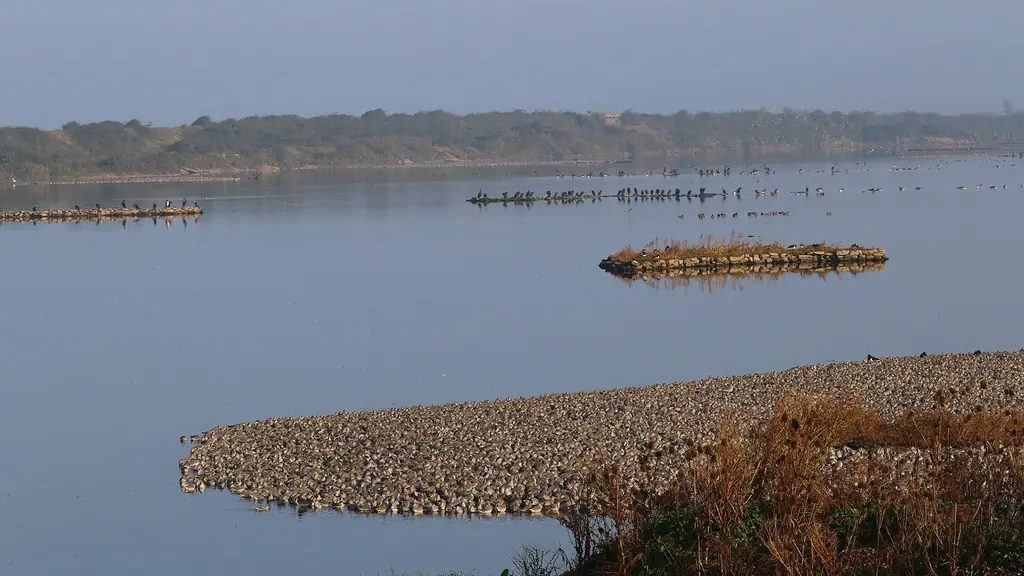
Wetlands sit where land and water meet, and many species need both. Frogs, toads and newts breed in water but spend much of their adult lives on land; dragonflies and mayflies spend years as aquatic larvae before emerging to fly. Waterbirds feed in shallow water and roost on islands and reedbeds. Wetland plants, from sundews to water-lilies, have adaptations for waterlogged, low-oxygen soils.
Wetlands are also productive. Shallow, sunlit, nutrient-rich water supports algae, plants and invertebrates in huge numbers, which in turn feed fish, birds and mammals. And they vary: a single marsh may have open water, reeds, wet grassland and scrub within a few hundred metres, each with its own community.
Some figures show the scale. The EPA reports that more than one-third of the United States' threatened and endangered species live only in wetlands, and nearly half use wetlands at some point in their lives. In the UK, the IUCN UK Peatland Programme notes that fens support around a third of all native plant species and half of all dragonfly species, as well as a range of aquatic beetles and thousands of other invertebrates.
Many wetland species depend on networks of sites rather than one. Migratory waterbirds travel thousands of kilometres between breeding and wintering wetlands, so losing a stopover site on one continent can affect populations on another. The full title of the 1971 Convention on Wetlands, which refers to wetlands "especially as Waterfowl Habitat", reflects how early that international dimension was recognised. Our article on freshwater ecosystems explains how these communities fit together.
In numbers: An estimated 411 million hectares of wetlands, about 22 per cent of the global total, have been lost since 1970, with an ongoing annual decline of 0.52 per cent.
Source: Convention on Wetlands, Global Wetland Outlook 2025.
How wetlands are lost and degraded
The Global Wetland Outlook 2025 names the main drivers of wetland loss and degradation as agricultural expansion, pollution, infrastructure development, disruption of natural water flows, and climate change. In practice, those drivers take many forms:
- Drainage and conversion. Wetlands have long been drained for farmland, forestry, housing and industry. Drained peat shrinks, oxidises and releases carbon.
- Changing water levels. Dams, embankments, abstraction from rivers and aquifers, and land drainage can leave wetlands too dry, or flood them at the wrong times.
- Pollution. Nutrients from fertiliser and sewage cause algal growth and favour a few vigorous plants over many specialists; pesticides and other chemicals harm invertebrates and amphibians.
- Invasive species. Introduced plants and animals can spread rapidly through connected wetlands.
- Climate change. Warmer temperatures, longer droughts and rising seas change the water balance of wetlands, especially shallow and coastal ones.
Degradation can be harder to see than outright loss. A wetland may still be there on the map, but with lower water levels, fewer species or a smothering layer of algae. The Outlook reports that the share of wetlands in poor condition is increasing in every region.
How wetlands are protected and restored
The international treaty dedicated to wetlands is the Convention on Wetlands, agreed at Ramsar, Iran, in 1971. According to the Global Wetland Outlook 2025 site, it had 172 Contracting Parties in 2025 and over 2,530 Wetlands of International Importance ("Ramsar Sites") covering around 2.58 million square kilometres, approximately 14–17 per cent of the world's wetlands. Site totals change as sites are added or revised, so check the Convention's current figures before quoting them. Parties also commit to the "wise use" of all their wetlands, not only designated sites. Our article on the Ramsar Convention explains how it works.
National laws add further protection, and restoration is increasingly common: blocking drainage ditches to rewet peat, reconnecting rivers to their floodplains, re-creating reedbeds and wet grassland, and digging new ponds. Restoration works best when water levels, water quality and connections across the landscape are all addressed; a wetland cannot recover if its water supply is still polluted or diverted. The Outlook calls for scaling up restoration, strengthening protection and aligning financial investment with sustainability goals, and notes that conservation funding remains far below what is needed.
Small wetlands count too. Garden and farm ponds, wet ditches and seasonal pools are often overlooked, yet together they support a large share of freshwater wildlife; see ponds: small waters with big value.
Getting to know wetlands
Safety: Stay on paths and boardwalks: bogs and marshes can hide deep, soft ground and water. Keep young children within arm's reach near open water, check tide times on coastal marshes, cover cuts, and wash hands with soap after touching water or mud. Do not pick up amphibians or disturb nesting birds.
You do not have to travel far to see wetland life. Nature reserves with boardwalks and hides make bogs, fens and reedbeds accessible without damaging them. Look for:
- Plants: reeds, sedges, rushes, cottongrass, sphagnum mosses and sundews in bogs; marsh marigold, yellow flag iris and meadowsweet in fens and wet meadows.
- Insects: dragonflies and damselflies in summer, pond skaters and whirligig beetles on the water surface.
- Amphibians: frogspawn and toadspawn in early spring.
- Birds: herons, egrets, reed and sedge warblers, and flocks of wintering ducks and waders.
World Wetlands Day, on 2 February each year, marks the anniversary of the Convention on Wetlands and is a good moment for a visit. To learn more about the wider topic, browse our wetlands section, or read about how warming affects wetlands and other fresh waters in climate change and freshwater.
Sources
- Global Wetland Outlook 2025Convention on Wetlands (Ramsar Convention Secretariat)
- Global Wetland Outlook 2025: Valuing, conserving, restoring and financing wetlands (report page)Convention on Wetlands, Scientific and Technical Review Panel
- Convention on Wetlands of International Importance especially as Waterfowl Habitat (treaty text)InforMEA (United Nations Environment Programme)
- Why are Wetlands Important?US Environmental Protection Agency
- Peatlands and climate change (issues brief)International Union for Conservation of Nature (IUCN)
- UK Peatland Habitats (briefing, December 2025)IUCN UK Peatland Programme
Spotted an error? Write to contact@freshwateraction.net. Our editorial policy explains how we correct articles.