Sustainable Household Habits That Protect Fresh Water
Everyday habits that protect rivers and water supplies, with the evidence behind each: water and hot water, drains, cleaning, laundry, gardens, food and waste.
In 2016, researchers at the University of Plymouth washed samples of ordinary clothing fabrics in domestic washing machines and counted the tiny synthetic fibres that came out in the waste water. They estimated that a typical 6 kg wash could release about 138,000 fibres from a polyester-cotton blend, 496,000 from polyester and nearly 729,000 from acrylic. Those fibres flow down the drain to the sewage works, and the researchers noted that many are likely to pass through treatment and into the environment.
Laundry is one of many invisible links between a home and the nearest river. Water comes in through the tap after being taken from a river, reservoir or aquifer, and leaves through the sink, toilet, washing machine and outside drains, carrying whatever has been added along the way. This guide works through the main areas of household life, from showers and drains to laundry, gardens and food, and explains the evidence for the habits that genuinely help fresh water. Each section is short; our household sustainability checklist turns them into a list you can tick.
How your home connects to rivers
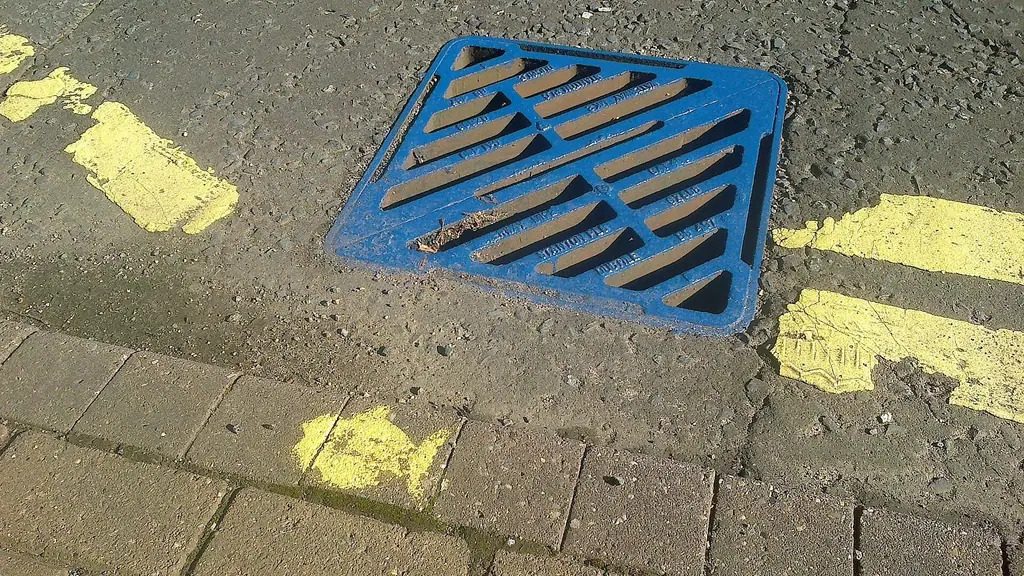
Most homes have two outlets. Thames Water explains that the wastewater sewer carries water from toilets, sinks, washing machines and dishwashers to a sewage works for treatment, while surface water drains collect rain from roofs and roads and carry it to a local river or stream. If an appliance is plumbed into the wrong pipe, a "misconnection", its dirty water and chemicals drain straight into rivers and streams and harm wildlife.
That gives two simple rules. What goes down sinks and toilets should be something the sewer and treatment works can cope with. And nothing but rain should go down outside drains.
Key idea: Every tap, toilet, washing machine and outside drain connects your home to a river, so habits indoors are also habits that shape water quality outdoors.
Use less water, especially hot water
Saving water at home reduces the amount that has to be taken from rivers and aquifers, treated, pumped and cleaned again after use. It matters most in dry regions and dry summers, when rivers are low and demand is high.
| Where water goes | Evidence | Habit that helps |
|---|---|---|
| Showers | Waterwise: a standard shower head uses 10–15 litres a minute, a low-flow head about 6 | Shorter showers; an efficient shower head suited to your shower type |
| Baths | Waterwise: a typical bath uses about 80 litres | Choose a short shower over a bath most days |
| Toilets | Waterwise: toilets account for about a quarter of household water use; dual-flush toilets use 4–6 litres a flush, older models up to 13 | Use the short flush; fit a cistern displacement device in older toilets (saves at least 1 litre a flush) |
| Leaks | Waterwise: a leaking toilet can waste up to 400 litres a day; a tap dripping once a second loses over 12,000 litres a year | Test cisterns with food colouring; fix drips promptly |
| Washing up | Waterwise: a washing-up bowl can cut wastage by up to half | Use a bowl rather than a running tap |
Source: Waterwise, "How to save water". Figures are typical values; your own fittings may differ.
Hot water deserves particular attention because it saves energy as well as water. The US Environmental Protection Agency (EPA) estimates that an average American family could save 2,700 US gallons (about 10,200 litres) of water a year, and more than 330 kilowatt hours of electricity, by fitting an efficient WaterSense-labelled shower head, because less hot water has to be heated. Showering accounts for nearly 17 per cent of indoor residential water use in the United States, the EPA says.
A few low-effort habits reduce hot water use without any new equipment:
- Wash clothes cooler when the care label allows: heating water takes energy, so a cooler wash uses less.
- Boil only what you need in the kettle. Every extra cupful is heated for nothing.
- Catch the cold water that runs while a shower or hot tap warms up, and use it for plants or the kettle.
- Insulate hot water pipes and cylinders so less heat is lost between boiler and tap.
- Run dishwashers and washing machines full. Full loads mean fewer cycles, and less water and energy, for the same amount of washing.
To see where your own household's water goes, try our household water use calculator. Our pillar guide on how to save water at home ranks the changes that make the biggest difference.
Drains: only the right things
Sewers are designed for water, human waste and toilet paper. Thames Water asks customers to flush only the "three Ps", pee, poo and paper, and to put everything else in the bin, including wet wipes, even those labelled flushable, biodegradable or plastic-free; period products; nappies; cotton wool and pads; dental floss; and hair. In the kitchen, fat, oil, butter, grease, food scraps and coffee grounds should go in the bin or food-waste caddy, not down the sink. Thames Water says it clears around 75,000 blockages a year across its network, and that blockages cause more than 60 per cent of its sewer floods.
Some things should go down no drain at all:
- Medicines. NHS Tayside advises returning unused medicines, prescribed or bought over the counter, to a community pharmacy for safe disposal, and never flushing them or putting them in a household bin, because they can end up in landfill or water supplies, damaging the environment and wildlife.
- Paint, solvents and chemicals. Take leftovers to a household waste recycling centre. Never pour them into outside drains, which may run straight to a stream.
- Car-washing water and garden chemicals on driveways and roads, which wash into surface water drains.
If you are not sure whether your washing machine or dishwasher is connected to the right pipe, especially after building work or a new appliance, a plumber can check. Our article on what not to flush or pour down the drain explains how sewers and overflows work.
Cleaning and laundry
Cleaning products and detergents go down the drain to the sewage works with the rinse water, so the simplest habit is to use the dose given on the label: anything extra is wasted and goes straight into the sewer.
Synthetic fibres are a harder problem. In the Plymouth study, published in Marine Pollution Bulletin, the polyester-cotton blend shed fewer fibres than polyester or acrylic under every washing condition tested, and adding bio-detergents or fabric conditioners tended to release more fibres. The researchers did not argue for banning synthetic textiles, noting their clear benefits to society. Instead they suggested that efforts should focus on reducing emissions, through changes in textile design, filtration of washing machine waste water, or both.
What does that mean for a household? The evidence on which home habits reduce fibre release is still developing, so claims that a single product "solves" microplastics deserve scepticism. Reasonable steps include buying fewer, longer-lasting clothes, choosing natural or blended fabrics where that suits you, and washing full loads, which also saves water and energy. Our article on plastic pollution in rivers and lakes looks at where microplastics in fresh water come from.
Gardens and outdoor spaces
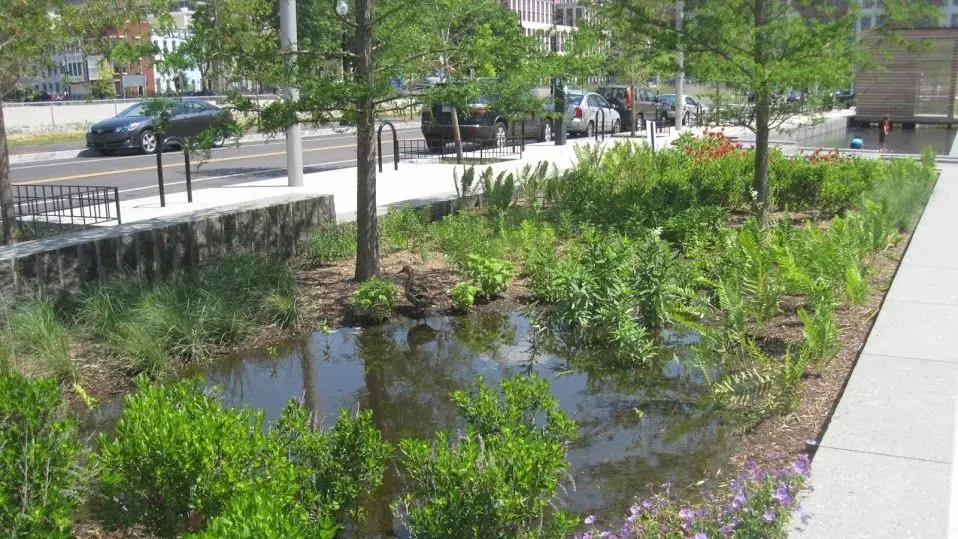
Gardens can either send rain quickly into drains, carrying soil, fertiliser and pesticide with it, or slow it down and let it soak in. The most useful habits are to keep soil and plants rather than hard paving where you can, to collect roof water in a water butt, to use fertilisers and pesticides sparingly or not at all, and to choose peat-free compost. Our guide to gardening for clean water covers rain gardens, permeable surfaces and the evidence for each in detail.
Food and waste
Much of the water behind daily life is not in the home at all but in the food we buy. Waterwise attributes around 70 per cent of global freshwater withdrawals to the food industry (the figure usually quoted for agriculture as a whole, which also grows non-food crops), and gives global average water footprints of about 15,400 litres for a kilogram of beef and 5,990 litres for a kilogram of pork. Wasted food therefore wastes the water used to grow it. Planning meals, using leftovers and composting peelings all reduce that waste. Our article on understanding your water footprint explains what these figures do and do not mean.
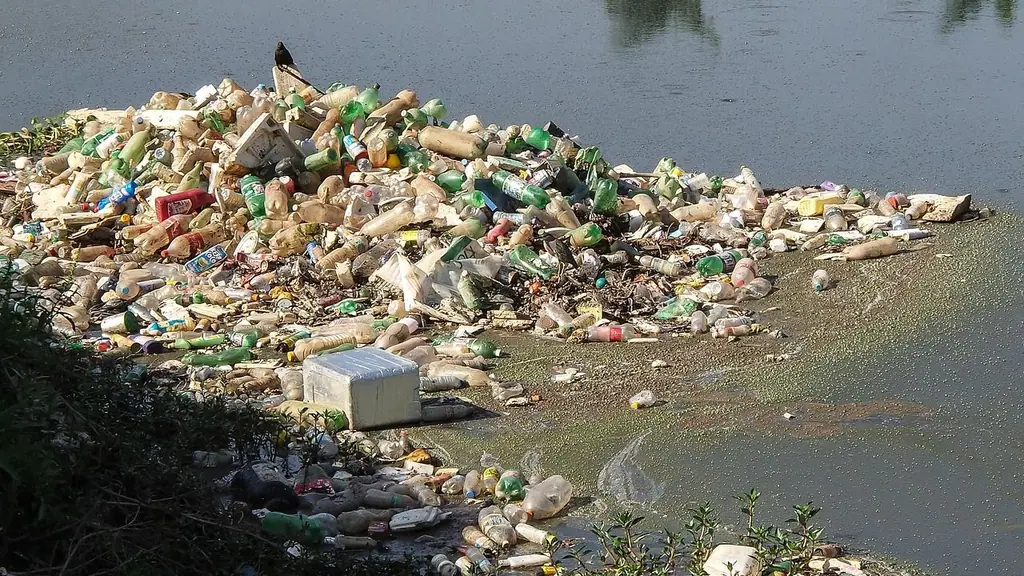
Household rubbish affects water too: litter dropped on land washes into streams, landfill sites must be managed to stop polluted liquid reaching groundwater, and hazardous products need special disposal. Our article on household waste and the environment explains the waste hierarchy and how to handle each kind of waste.
In numbers: A tap dripping once a second loses over 12,000 litres of water a year, and a leaking toilet can waste up to 400 litres a day.
Source: Waterwise, How to save water.
Making habits stick
Habits last when everyone in a household understands why they matter and can see the result. Some approaches that families and shared households find useful:
- Measure before and after. Read the water meter on the same day each week for a month, make one change, and read it again for another month. A number on a chart is more persuasive than a reminder.
- Give everyone a job. Children can be the household's leak detectives, checking taps and running the food-colouring cistern test with an adult; someone else can own the food-waste caddy or the water butt.
- Make the right choice the easy one. A small bin beside the toilet for wipes and cotton buds, a jar by the cooker for cooled fat, and a bag for medicines to take back to the pharmacy all remove the temptation to flush or pour.
- Talk to your landlord or managing agent if you rent and something needs fixing: a running cistern or dripping tap wastes water and money for everyone, and many repairs are the landlord's responsibility under the tenancy.
Where to start, and how to spot greenwash
You do not need to change everything at once. A practical order is to fix what is broken, then change what you do every day, then improve fittings and appliances when they need replacing:
- Find and fix leaks: dripping taps and silently leaking toilet cisterns waste water around the clock.
- Get drains right: the three Ps in the toilet, fat and wipes in the bin, medicines back to the pharmacy, and check that appliances drain to the sewer.
- Cut hot water use: shorter showers and an efficient shower head save water and energy together.
- Look outside: a water butt, less paving and fewer garden chemicals.
- Reduce waste: food, clothing and packaging.
Be wary of labels that promise more than the evidence supports. Thames Water's advice to bin all wet wipes, including those marketed as flushable or biodegradable, is a reminder that a label on a packet is not proof of how a product behaves in a sewer. Look for claims backed by independent standards or by the organisations that manage the water and waste systems, and remember that the most effective habit is often using less, not buying something new.
Our printable household water audit worksheet is a good first step for a family or class, and the household sustainability checklist brings all these habits together. For more, browse our sustainable living section.
Sources
- How to save waterWaterwise
- ShowerheadsUS Environmental Protection Agency, WaterSense
- Washing clothes releases thousands of microplastic particles into environment, study showsUniversity of Plymouth
- Misconnected pipesThames Water
- Bin it, don't block itThames Water
- Environmental Impact of Unused MedicinesNHS Tayside
Spotted an error? Write to contact@freshwateraction.net. Our editorial policy explains how we correct articles.