Environmental Activities for Schools: Water, Rivers and Wildlife
Water and wildlife projects for schools: a site water audit, rain mapping, a rain garden and a pond study, with curriculum links, safety steps and permissions.
Read the school's water meter as the last person leaves on a Friday afternoon, and again before anyone arrives on Monday morning. If nobody has used any water over the weekend, the two readings should be identical. If the dial has moved, water is escaping somewhere: a dripping tap, a running toilet cistern or a leaking pipe. It is a simple test that pupils can plan, carry out and explain, and it can save a school real money.
Schools have everything needed for practical environmental learning about water: roofs and playgrounds that shed rain, taps and toilets used by hundreds of people, often a patch of grass or a pond, and frequently a stream within walking distance. This guide sets out five projects, from a water audit to a pond study, with links to the curriculum, the safety steps each needs, and the permissions to arrange first.
Where water projects fit the curriculum
Water projects connect with several subjects. In England, the national curriculum programmes of study include these statutory statements, among others:
| Stage | Subject | Statement |
|---|---|---|
| Key Stage 1 | Geography | Use simple fieldwork and observational skills to study the geography of the school and its grounds |
| Year 2 | Science | Identify that most living things live in habitats to which they are suited |
| Key Stage 2 | Geography | Physical geography including rivers and the water cycle; use fieldwork to observe, measure, record and present features of the local area |
| Year 4 | Science | Identify the part played by evaporation and condensation in the water cycle; recognise that environments can change and that this can sometimes pose dangers to living things |
| Key Stage 3 | Geography | Physical geography including hydrology; use fieldwork in contrasting locations to collect, analyse and draw conclusions from data |
Source: Department for Education, national curriculum in England: geography and science programmes of study. Wording shortened.
The non-statutory guidance for Year 4 science gives garden ponds as an example of a positive human impact on environments, and Year 2 guidance introduces the idea of microhabitats.
In the United States, the Next Generation Science Standards include the disciplinary core idea ESS2.C, "The Roles of Water in Earth's Surface Processes". For middle school, performance expectation MS-ESS2-4 asks students to develop a model of the cycling of water through Earth's systems, driven by energy from the sun and the force of gravity. A school water audit or rain map gives students real data to put into that model.
Project 1: a school water audit
Safety: A member of staff supervises. The site manager or caretaker reads or opens the water meter, which may be under a heavy cover or in a plant room, and lifts any toilet cistern lids. Use cold water for flow tests, mop up spills so nobody slips, and use only food colouring for toilet leak tests.
A water audit turns a building into a data set. Pupils can:
- Do the meter test. Record readings at the end of the day and the start of the next (or across a weekend). Any change when nobody is in school suggests a leak.
- Make an inventory. Count taps, toilets, urinals, showers, drinking fountains and outside taps, and note their types, such as push taps, sensor taps or dual-flush toilets.
- Measure flows. Time how long a tap takes to fill a measuring jug and work out litres per minute.
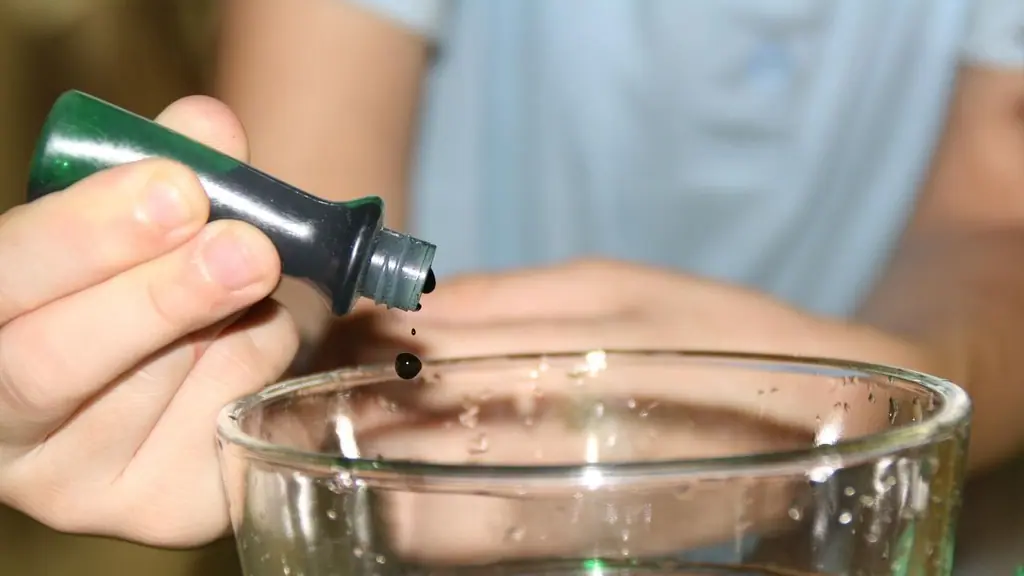
- Hunt for leaks. Check every tap for drips, and put a few drops of food colouring in toilet cisterns (with the caretaker) to see whether colour seeps into the bowl without flushing.
- Present findings to the head teacher, governors or school council with three recommendations.
Our printable household water audit worksheet explains the flow and leak tests step by step and adapts easily to a school building, and the water use comparison tool helps pupils see how everyday uses compare.
Project 2: where does the rain go?
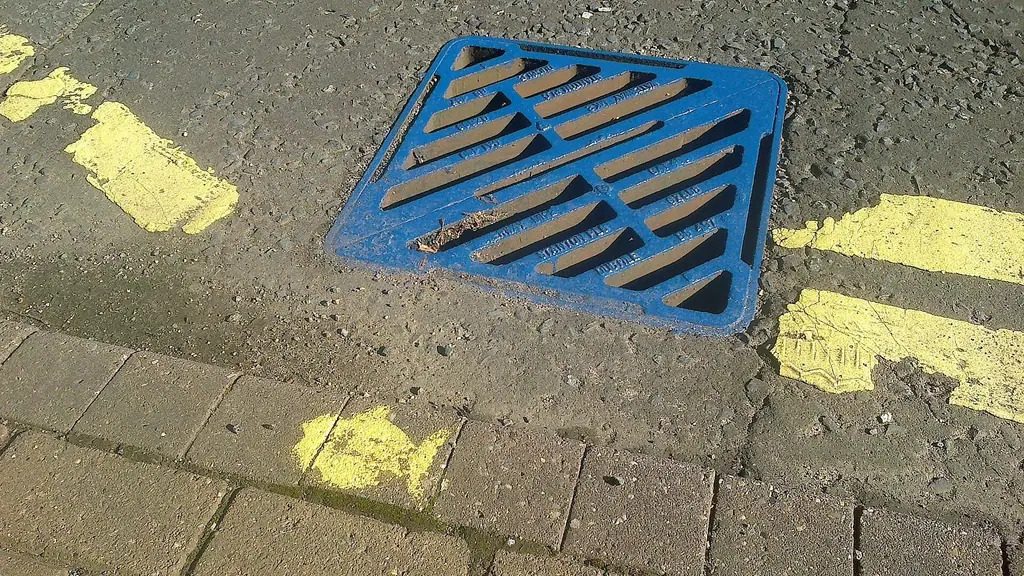
Safety: Stay within the school grounds, in light rain only, never in thunderstorms or strong wind. Wear waterproofs and sensible shoes, keep away from roads and car parks with moving vehicles, and do not lift drain covers.
On a rainy day, walk the school grounds and map what happens to the water. Which surfaces does it soak into, and which does it run off? Where are the gutters, downpipes and drains? Where do puddles form, and how long do they last afterwards? Pupils can colour a site plan to show permeable surfaces (grass, soil, gravel, planted beds) and impermeable ones (roofs, tarmac, paving), then estimate what share of the site sheds water quickly.
The map shows in miniature how a catchment works, and why towns with large areas of hard surface produce faster, larger flows into drains and streams. Our article on catchments and watersheds takes the idea to the scale of a river.
Project 3: build a rain garden
Safety: Adults do the digging and handle tools; pupils help with planting and measuring. Before digging, the school must confirm with its site team where underground services such as gas, electricity and water pipes run. Fence off open holes and keep tools stored safely.
A rain garden is a shallow planted dip that receives runoff from a roof or other hard surface and lets it soak away. The Royal Horticultural Society (RHS) gives practical guidance:
- Site. Full sun or partial shade, on a gentle slope of 10 per cent or less, lower than the area it drains, and away from tree roots. If it will be closer than 5 metres to a building, the RHS advises taking advice from a geotechnical or ground engineering professional to protect foundations.
- Test the soil. Dig a hole about 25 cm deep, fill it with water, let it drain, then refill it and time how long it takes to empty. The ideal drainage rate is at least 1.25 cm an hour, and the RHS says sites draining up to 5 cm an hour can work; slower sites, such as heavy clay, are unsuitable.
- Size. As a rule of thumb, about 20 per cent of the roof area it drains. A 10 m by 10 m roof (100 m²) would need a rain garden of about 20 m².
- Plant in zones. Plants that tolerate wet roots in the base, and plants that tolerate both wet and dry conditions around the edges. The RHS notes that rain garden plants need to tolerate waterlogging for up to 48 hours at a time.
- Plan for overflow. Leave a gravel-lined outlet so that excess water in a big storm can drain away safely.
Even a small rain garden attached to one downpipe gives pupils something to measure: they can compare how quickly water leaves the garden with how quickly a nearby lawn or paved area drains. Our article on gardening for clean water explains how rain gardens reduce runoff and pollution.
Project 4: a pond study
Safety: An adult stays within arm's reach of young children at the water's edge, and children kneel or lie on a firm, level edge or a dipping platform rather than standing. Nobody enters the pond. Cover cuts, wear gloves where needed, do not eat by the water, and wash hands with soap afterwards. Animals are looked at in a tray of pond water in the shade and returned to the pond within minutes.
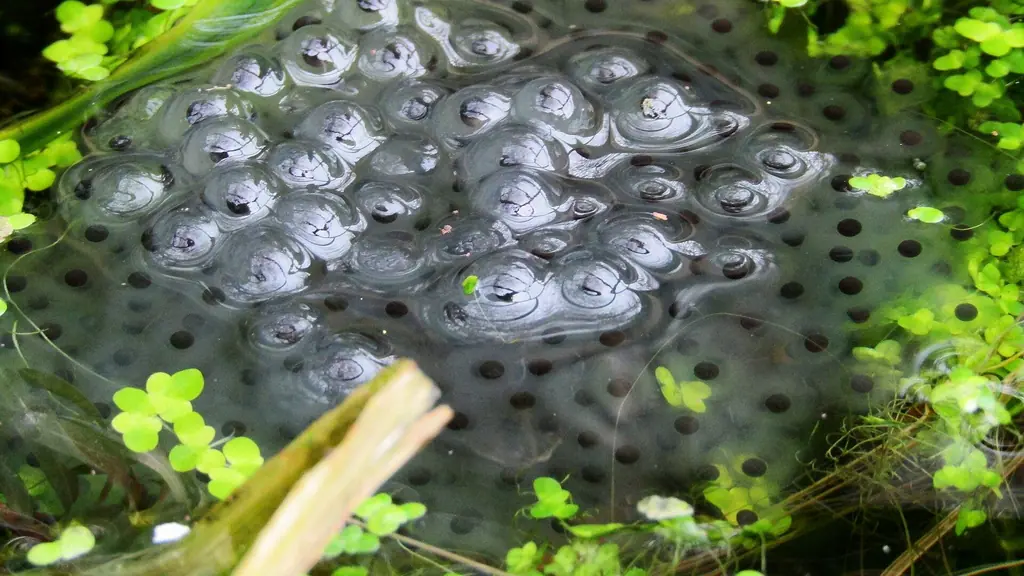
A school pond, or a nearby one with safe access, is an outdoor laboratory. The Freshwater Habitats Trust's Big Pond Dip survey gives schools and families a simple, structured way to study one. Participants survey the pond, record the animals they find on a form, and get a score that places the pond in one of three bands:
| Big Pond Dip score | What it suggests |
|---|---|
| 1–5 | The pond is not yet great for wildlife |
| 6–30 | A good pond that could be improved |
| 31–68 | A brilliant pond for wildlife |
Source: Freshwater Habitats Trust, Big Pond Dip.
Each band comes with suggestions, such as adding dense underwater plants, letting grasses trail into the water, and creating shallow areas only a few centimetres deep, so pupils can turn their survey into an improvement plan and repeat it the following year.
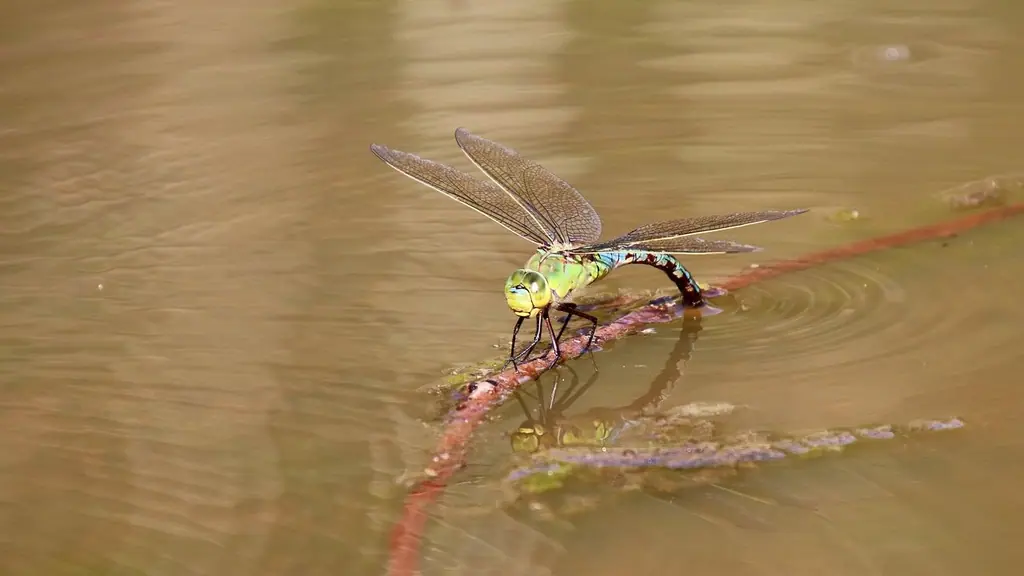
Protected species need care. In England, great crested newts are European protected species: it is an offence to deliberately capture or disturb them or to damage their breeding and resting places. If pupils think they have seen one, look and photograph only, and do not net or handle it. Our article on ponds and their value for wildlife explains what makes a good pond.
Try this: Repeat a pond dip in three seasons and record the same details each time: date, weather, water temperature and every type of animal found. Plotting the results shows how pond life changes through the year, and gives pupils their own long-term data set.
Project 5: working with a local river group
Safety: Follow the school's off-site visit policy and the partner group's own risk assessment. Adults stay within arm's reach of young children at the water's edge, and pupils never go near the water alone. Check the weather and flood warnings, and cancel if the water is high, fast or cold. Keep off steep or crumbling banks, ice and weirs; any sampling in the water is done by trained adults in shallow, slow water. Cover cuts, wear gloves, do not eat by the water, wash hands with soap afterwards, and return any animals to the stream within minutes.
Many river trusts, wildlife trusts, angling clubs and conservation volunteers welcome school partnerships, and some offer led sessions by a stream. A visit can include a simple survey of width, depth and flow, a look at riverbed animals, and a litter count. Our guides to doing a simple river survey and freshwater citizen science explain the methods and schemes involved, and the printable river survey recording sheet begins with a safety checklist.
Permissions and planning
Every off-site visit and every activity near water needs to follow the school's own policies and its local authority or trust guidance. Before starting:
- Risk assessment. Write one for the specific site and activity, including weather, water levels, access and first aid.
- Consent. Obtain parental consent where policy requires it, and check for medical needs and allergies.
- Supervision. Plan adult numbers so that children near water are always within arm's reach of an adult.
- Landowner permission. For off-site streams and ponds, and for any painting or planting outside the school grounds.
- Hygiene. Plan for handwashing with soap and water on site or immediately afterwards, as river and pond water can carry infections such as leptospirosis.
For more classroom-ready ideas, start with our safe water science experiments for children, or browse our water science for kids and classrooms section.
Sources
- National curriculum in England: geography programmes of studyDepartment for Education (GOV.UK)
- National curriculum in England: science programmes of studyDepartment for Education (GOV.UK)
- MS-ESS2 Earth's SystemsNext Generation Science Standards
- Rain gardensRoyal Horticultural Society
- Big Pond DipFreshwater Habitats Trust
- Great crested newts: advice for making planning decisionsNatural England and Defra (GOV.UK)
Spotted an error? Write to contact@freshwateraction.net. Our editorial policy explains how we correct articles.