Teaching Children About River Pollution
A calm, practical approach to teaching children about river pollution: key ideas, a safe tabletop polluted-river model, discussion prompts and local action.
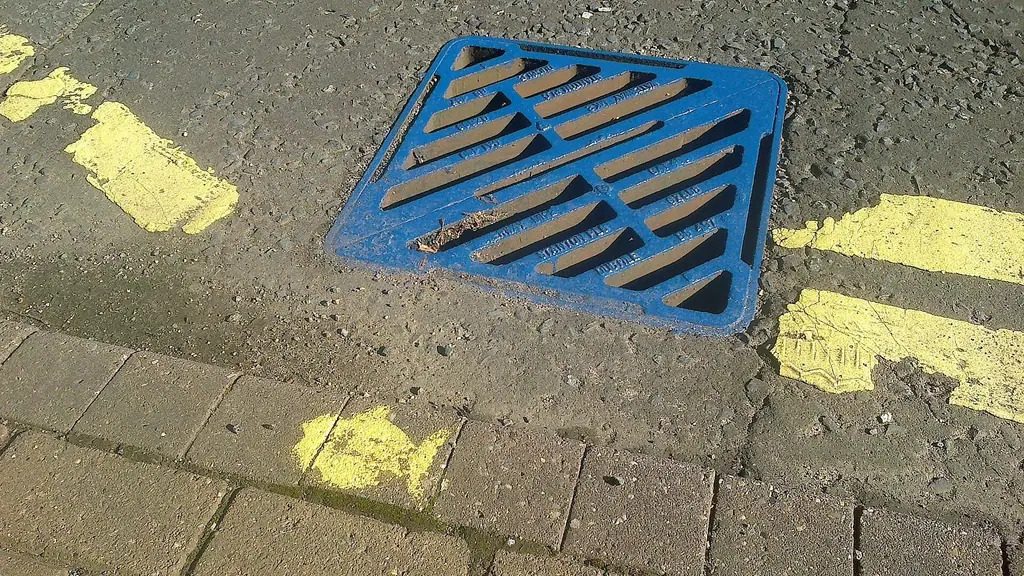
In many British towns, a small yellow fish is painted on the pavement beside some road drains. It is there to remind passers-by of something most adults never think about: rain that falls on the street does not vanish. It runs into the drain and, often, on to the nearest stream or river, taking with it whatever it picks up on the way. School pupils have helped to paint some of them, through an awareness scheme called Yellow Fish.
That idea, that what happens on land ends up in water, is the heart of teaching children about river pollution. It can be taught with a tray of sand, a watering can and a few kitchen ingredients, and it leads naturally to things children can do about it. This guide sets out the key ideas, a safe classroom model, discussion prompts for different ages, and ways to connect lessons with real streams and real action.
Start from what children can see
River pollution can be a heavy topic, and lessons work best when they are concrete, local and hopeful. A few principles help:
- Begin with the familiar. A puddle, a drain, a sink, a nearby brook. Ask where the water goes next.
- Explain mechanisms, not just problems. "Rain washes soil off bare ground into the stream" is more useful than "rivers are dirty".
- Keep a sense of proportion. Some rivers have serious problems and others are in much better health. Avoid images and claims designed to shock.
- Always end with action. Pair each problem with something people, including children, can do about it.
- Value questions. "How do we know?" is the most scientific question a child can ask, and it leads to measuring rather than guessing.
The key ideas, in plain language
Two kinds of pollution source
The US Environmental Protection Agency (EPA) distinguishes two kinds of source. Point sources come from a single identifiable place, such as a pipe or a ditch. Nonpoint, or diffuse, sources come from many places at once and are carried by rain or snowmelt moving over and through the ground. The EPA lists examples: excess fertilisers and pesticides from farms and gardens; oil, grease and chemicals from roads; soil from building sites, fields and eroding banks; and bacteria and nutrients from livestock, pet waste and faulty septic tanks. It notes that US states report nonpoint pollution as the leading remaining cause of water quality problems.
For children, a simple version works: some pollution comes out of a pipe, and some is washed off the land by rain.
Two kinds of drain
Many homes are connected to two separate systems. Thames Water explains that a surface water drain collects rainwater from roofs and roads and carries it to a local river or stream, while the wastewater sewer takes water from toilets, sinks, washing machines and dishwashers to a sewage works for treatment. When an appliance is plumbed into the wrong pipe, a "misconnection", dirty water and chemicals can drain into rivers and streams and harm wildlife.
So the lesson for outside drains is simple: only rain down the drain.
What goes down the sink and toilet
Even water that goes to the sewage works can cause problems on the way. Thames Water asks people to flush only pee, poo and toilet paper, and to bin wet wipes (including those labelled flushable), cooking fat and oil, and food scraps. Blockages cause more than 60 per cent of its sewer floods. Paint, chemicals and medicines belong at a pharmacy, recycling centre or household waste site, not down the sink. Our article on what not to flush or pour down the drain explains why.
Key idea: Rain, drains and sewers connect every street and home to a river, so river pollution is mostly about what happens on land, which means everyone can help prevent it.
A tabletop model of a river and its catchment
This model shows how rain carries pollution from land into water, and how simple changes reduce it. It suits a class working in small groups.
Safety: An adult supervises throughout. Use only the household-safe materials listed; nothing in the model is for eating or tasting, including the cocoa and sprinkles. Cover tables, as food colouring stains. Wipe up spills at once so floors do not become slippery. At the end, wipe the oil out with kitchen paper and put it in the bin rather than pouring it down the sink, and tip soil and sand outside, not down the drain. Everyone washes their hands afterwards.
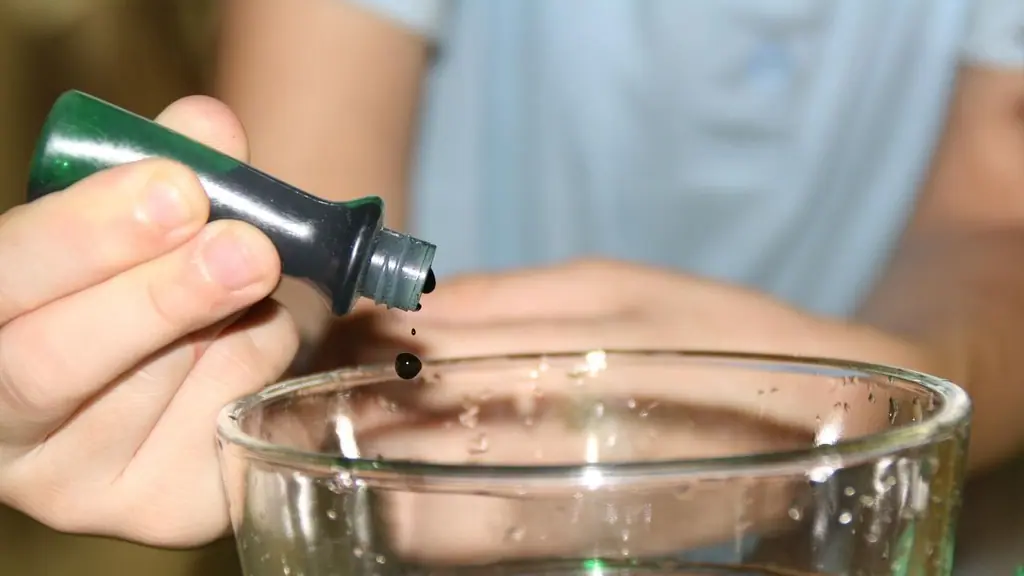
You need: a large shallow plastic tray or storage box lid; sand or soil; a few stones; a small plastic sheet or bag (to form the river bed); a watering can or spray bottle of tap water; small pots containing cocoa powder (soil from a building site), green food colouring mixed with water (fertiliser), a few drops of vegetable oil (oil from roads), coloured sugar sprinkles or torn paper (litter); clean kitchen sponges; and some cut grass or moss.
- Build the landscape. Heap sand or soil at one end of the tray to make hills, and scoop a winding channel down to the other end. Line the channel with the plastic so water stays in it. That is your river, and the whole tray is its catchment.
- Add land uses. Mark out a "farm", a "town" with a road, a "building site" and a "park" with labels on cocktail sticks or folded card.
- Let it rain on clean land. Sprinkle water over the hills and watch it run into the river. Note the colour of the water collecting at the bottom.
- Add the pollution. Sprinkle cocoa on the building site, drip green water on the farm, a few drops of oil on the road, and litter in the town. Before it rains again, ask the class to predict what will happen.
- Let it rain again. Watch the colours, oil sheen and litter move downhill into the river and collect at the "sea" end.
- Try solutions. Reset the model and add clean sponges along the riverbank (wetlands and riverside plants), a strip of grass between the farm and the river, and a "bin" for the litter. Repeat the rain and compare.
What it shows. Rain carries whatever lies on the land into the river, and most of it comes from many small sources rather than one pipe. Plants, soil and wetlands slow water down and trap some of the load before it reaches the river. The EPA describes the same idea at full scale: hard surfaces such as roads and roofs stop water soaking in, so it runs straight to drains and rivers, and "green infrastructure" such as rain gardens, permeable paving and planted areas slows runoff and lets it soak into the ground.
Be clear about the model's limits too. Real nutrient pollution is usually invisible, real rivers dilute and carry pollution away, and living things in a river respond in ways a tray cannot show. Asking children what the model gets wrong is a good test of understanding.
Try this: Run the model twice with exactly the same amount of "rain", once without the grass strip and sponges and once with them. Collect the water that reaches the bottom in two clear cups and compare how cloudy and coloured they are. That is a fair test, and it mirrors what scientists measure in real rivers.
Discussion prompts
Choose prompts to suit the group. For younger children:
- Where does the water go when it goes down the drain outside school?
- Which things in our model were easy to see? Which pollution might be invisible?
- What could we do at home or at school to keep rivers clean?
For older children:
- What is the difference between pollution from a pipe and pollution washed off the land? Which is easier to control, and why?
- How could a town reduce the amount of rain running off roads and roofs?
- Why might a river look clear but still have a problem? How would scientists find out?
- Who is responsible for keeping a river healthy: farmers, water companies, councils, households? What can each do?
Living indicators: what river animals tell us
The best way to show children what "healthy" means for a river is to look at what lives in it. Small animals on the riverbed, such as mayfly and caddisfly larvae, are very sensitive to changes in water quality, and the Riverfly Partnership calls them the "canaries of our rivers": a fall in their numbers can signal a problem. Comparing a sample of animals from a stream with an identification chart turns an abstract idea into something children can see for themselves. Our beginner's guide to kick sampling for river invertebrates explains how adults can collect animals safely for children to sort and identify on the bank, and our article on nutrient pollution and algal blooms explains one of the commonest invisible problems.
Taking action locally
Safety: Any visit to a stream needs adult supervision, with an adult within arm's reach of young children and nobody entering the water. Check the weather and flood warnings, and keep off steep or crumbling banks, ice and weirs. Drains are usually beside roads, so adults manage traffic safety during any drain stencilling. Wear gloves for litter, cover cuts, do not eat by the water, and wash hands with soap afterwards: river water can carry infections, including leptospirosis.
Lessons stick when they lead to something real. Ideas that schools and families commonly use include:
- A Yellow Fish project. The Catchment Based Approach describes Yellow Fish as a scheme, led by the Environment Agency, in which community and school groups stencil yellow fish beside drains to remind people what goes into them. The landowner, usually the local council, must give permission first; groups receive a stencil and guidance, and some projects have used non-toxic, washable paint. Leafleting and newsletters can accompany the painting.
- A litter survey. Count and categorise litter near a stream or drain, with adults handling anything sharp and everyone wearing gloves. Our printable river survey recording sheet includes a litter tally.
- A home check. Children can ask an adult at home whether the washing machine drains into the sewer or the rainwater drain, and make a "only pee, poo and paper" sign for the bathroom.
- Reporting. Explain that if anyone sees signs of pollution, such as dead fish, an oily film or sewage, an adult should report it to the environment agency rather than touching the water.
For more safe hands-on activities, start with our safe water science experiments for children, or browse our water science for kids and classrooms section.
Sources
- Basic Information about Nonpoint Source (NPS) PollutionUS Environmental Protection Agency
- Sources and Solutions: StormwaterUS Environmental Protection Agency
- Misconnected pipesThames Water
- Bin it, don't block itThames Water
- Engaging with communities: Yellow FishCatchment Based Approach (CaBA)
- Frequently Asked QuestionsThe Riverfly Partnership
Spotted an error? Write to contact@freshwateraction.net. Our editorial policy explains how we correct articles.