Household Waste and the Environment
How household rubbish reaches rivers and groundwater, and what to do about it: the waste hierarchy, litter, landfill leachate, hazardous waste and composting.
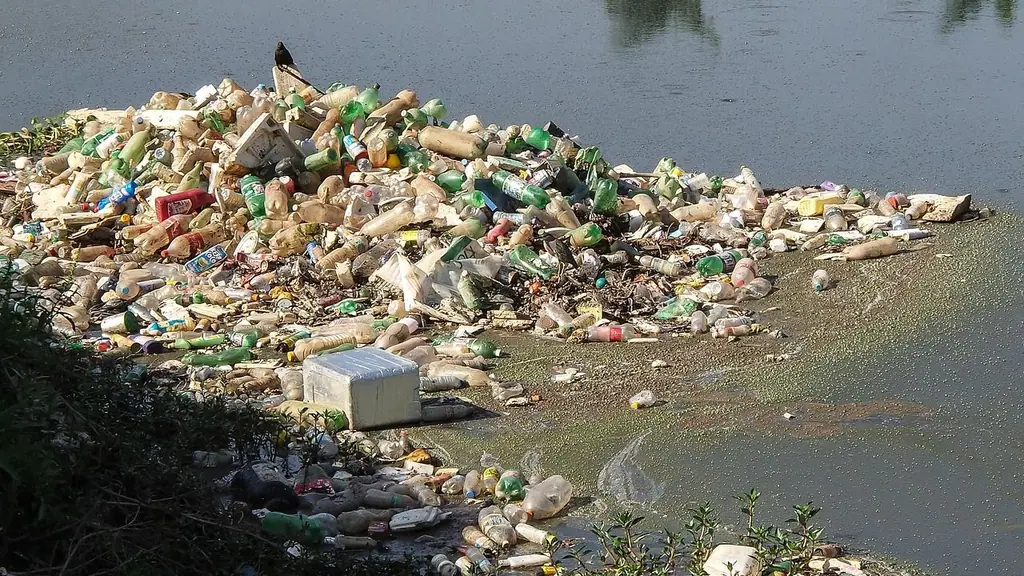
Rivers carry plastic waste from land to the sea. In 2021, Meijer and colleagues published a model in Science Advances that combined data on plastic waste, land use, wind, rainfall and river networks to estimate how much plastic each of the world's rivers carries into the ocean. They put the total at between 0.8 and 2.7 million tonnes a year, and found that more than 1,000 rivers account for 80 per cent of it, spread across far more rivers than earlier estimates had assumed. Small rivers running through cities were among the most polluting.
Plastic is only the most visible part of the connection between household waste and water. Liquid that seeps from landfill sites, chemicals poured down drains, and food and fat rinsed into sewers all affect rivers and groundwater too. This article explains the waste hierarchy that guides how waste should be handled, the pathways by which household rubbish reaches water, and practical ways to deal with each kind of waste.
The waste hierarchy
In England and Wales, the Waste (England and Wales) Regulations 2011 require businesses and organisations that produce or handle waste to apply a waste hierarchy as a priority order. The same order is a useful guide for households:
| Priority | Stage | Household examples |
|---|---|---|
| 1 | Prevention | Buy only what you need; choose durable and refillable products; plan meals to avoid food waste |
| 2 | Preparing for re-use | Repair clothes and appliances; pass on furniture, toys and books; use refillable bottles and containers |
| 3 | Recycling | Sort materials as your council asks; compost garden and food waste |
| 4 | Other recovery | For example, energy recovery from waste that cannot be recycled |
| 5 | Disposal | Landfill, the last resort |
Source: The Waste (England and Wales) Regulations 2011, regulation 12. Household examples added for illustration.
The regulations allow a departure from this order where life-cycle thinking about the overall impacts of a waste shows that another option gives a better environmental outcome. The general rule still holds: the higher up the hierarchy, the fewer resources used and the less waste left to escape into the environment.
Key idea: The best waste for rivers is waste that is never created; after that, re-use and recycling keep materials out of landfill and away from the pathways that carry them into water.
How household waste reaches water
Litter and runoff
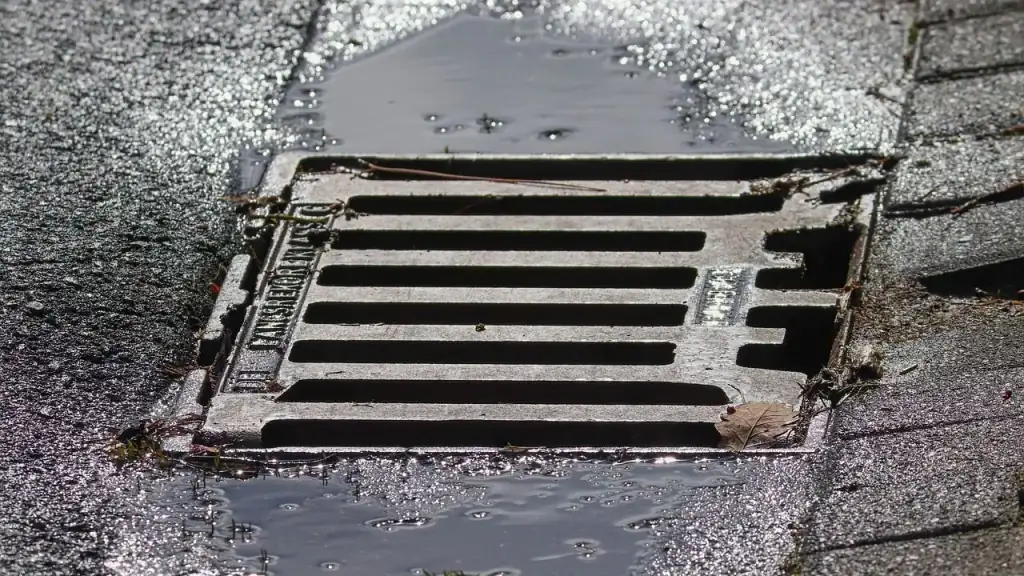
Litter dropped on streets, verges and riverbanks does not stay put. Wind blows light items such as bags and wrappers into hedges and watercourses, and rain washes smaller pieces into road drains, many of which lead straight to a stream. Overflowing bins and poorly secured recycling can add to the problem on collection day. Once in a river, plastic can travel downstream, snag on banks and vegetation, or break into smaller pieces. Meijer and colleagues' finding that small urban rivers are among the biggest contributors shows how much depends on what happens on city streets.
Landfill and leachate
When rain soaks through buried rubbish in a landfill, it forms leachate, a liquid that can draw out chemicals and other substances from the waste. If it escaped, leachate could contaminate soil and groundwater. The US Environmental Protection Agency (EPA) describes the protections modern municipal solid waste landfills must have under US rules:
- Composite liners: a flexible membrane over two feet (about 60 cm) of compacted clay lining the bottom and sides of the landfill, to protect groundwater and the soil beneath.
- Leachate collection systems: systems on top of the liner that collect leachate and remove it from the landfill for treatment and disposal.
- Groundwater monitoring: testing water from wells around the site to check whether waste materials have escaped.
- Closure and long-term care: covering the landfill when it is full and providing long-term care once it has closed.
In other words, a landfill has to be managed long after the last rubbish truck leaves.
Down the drain
Sinks and toilets connect to sewers, and sewers can be blocked or overwhelmed. Thames Water says it clears around 75,000 blockages a year and that blockages cause more than 60 per cent of its sewer floods. It asks customers to put fat, oil, butter and grease, food scraps, coffee grounds and wet wipes in the bin, not down the sink or toilet. Our article on what not to flush or pour down the drain explains how blockages and sewer overflows affect rivers.
Hazardous household waste
Some everyday products are hazardous when thrown away. The EPA describes household hazardous waste as leftover products that can catch fire, react or explode under certain circumstances, or that are corrosive or toxic. Common examples include paints, cleaners, oils, batteries and pesticides.
The EPA warns that improper disposal, such as pouring these products down the drain, onto the ground or into storm drains, can pollute the environment and threaten human health, and that products poured down drains or toilets can contaminate septic tanks and wastewater treatment systems. Sensible steps, drawing on that advice, are:
- Buy only what you need, so there are fewer leftovers.
- Keep products in their original, labelled containers, and never store hazardous products in food containers.
- Never mix leftovers of different products, because some combinations can react, ignite or explode.
- Use local collection services. In the UK, councils' household waste recycling centres accept many hazardous items such as paint, oil and batteries; check your council's website for what each site takes. Thames Water advises taking paint, chemicals and solvents to a recycling centre or household waste facility and medicines back to a pharmacy.
Safety: Children should not handle hazardous household products or their containers. Adults should wear gloves where the label advises, keep products upright and sealed when taking them to a recycling centre, and never mix products to "use them up".
Composting: turning waste into soil
Food scraps and garden trimmings are waste only if they are thrown away. The EPA explains that composting reduces the amount of rubbish sent to landfill or incineration and produces a soil improver that can reduce the need for fertilisers and pesticides. Compost also helps soil absorb and hold water and reduces erosion, which means less soil washing off gardens into drains and streams.
A home compost heap works best with a mix of "greens" and "browns":
- Greens (nitrogen-rich): fruit and vegetable scraps, grass clippings, coffee grounds and paper filters, crushed eggshells, and paper tea bags without staples.
- Browns (carbon-rich): dry leaves, plant stalks and twigs, shredded plain paper and cardboard, and untreated wood chips.
The EPA suggests two to three times as much brown material as green by volume, with food scraps covered by a layer of browns, and a heap about as moist as a wrung-out sponge. Leave out meat, fish and bones, dairy products, fats and oils, diseased or pest-infested plants, plants treated with herbicide, and pet waste and cat litter. Where food waste collections exist, they handle many of these items safely.
In numbers: More than 1,000 rivers carry 80 per cent of the plastic that rivers deliver to the ocean each year, an estimated 0.8 to 2.7 million tonnes in total.
Source: Meijer et al., Science Advances (2021).
Litter picks and clean-ups
Picking up litter near streams and ponds removes it before rain and wind carry it into the water, and recording what you find shows where it comes from. Our printable river survey recording sheet includes a litter tally.
Safety: Children take part only with adults in charge. Everyone wears gloves and uses litter pickers where possible. Only adults handle glass, sharp objects, needles or anything that might be medical waste; leave these alone and report them to the council if you are unsure. Near water, stay on the bank, keep young children within arm's reach of an adult, never reach into the water for litter, and wash hands with soap afterwards.
What you can do
- Prevent first. Before buying, ask whether you need it, whether it will last, and whether it can be repaired, refilled or passed on.
- Know your council's rules for recycling and food waste, and follow them carefully: contaminated recycling may end up as general waste.
- Secure your bins so that wind, birds and animals cannot scatter rubbish on collection day.
- Take hazardous items to the right place: paint, oils, batteries and chemicals to the household waste recycling centre, medicines to a pharmacy.
- Keep fat, wipes and food out of the sink and toilet.
- Compost garden and suitable food waste, or use your council's food waste collection.
These habits sit alongside the water, drain and garden habits in our pillar guide to sustainable household habits that protect fresh water, and our article on plastic pollution in rivers and lakes looks more closely at plastic in fresh water. To check how many you already do, try our household sustainability checklist, or browse our sustainable living section.
Sources
- The Waste (England and Wales) Regulations 2011, regulation 12: duty in relation to the waste hierarchylegislation.gov.uk (The National Archives)
- More than 1000 rivers account for 80% of global riverine plastic emissions into the ocean (Meijer et al., Science Advances, 2021)Science Advances
- Municipal Solid Waste LandfillsUS Environmental Protection Agency
- Household Hazardous Waste (HHW)US Environmental Protection Agency
- Composting at HomeUS Environmental Protection Agency
- Bin it, don't block itThames Water
Spotted an error? Write to contact@freshwateraction.net. Our editorial policy explains how we correct articles.