Why Mexico Drinks So Much Bottled Water
Why bottled and purified water became the everyday drink in Mexico: intermittent supply, distrust of the tap, health policy, household costs and plastic waste.
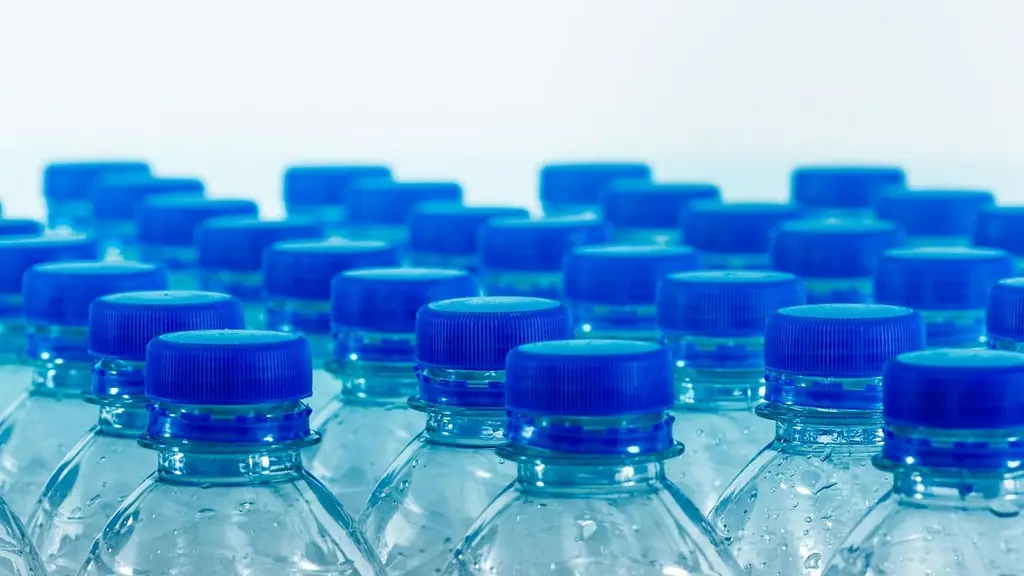
When researchers surveyed students, administrative staff and academics at the main campus of the National Autonomous University of Mexico (UNAM) in Mexico City, they found that three-quarters of the university community drank only bottled water. Few people drank from the tap. The most common reason given was not a known problem with the water's safety but its taste and smell, and a general lack of trust in what came out of the pipes. The study was published in EcoHealth in 2015.
That pattern holds well beyond one campus. Bottled and purified water is the everyday drink in millions of Mexican homes, offices and schools. This article looks at how large the market really is, why it grew, what it costs households and the environment, and what would have to change for more people to drink from the tap.
How much bottled water does Mexico drink?
For years, headlines described Mexico as the world's biggest consumer of bottled water per person. Rankings depend on who is counting, which year, and whether large refillable containers are included, so it is safer to describe Mexico as one of the largest markets than to name a single leader.
The most recent independent review, published by the United Nations University's Institute for Water, Environment and Health (UNU-INWEH) in 2023, estimated global sales in 2021 at 350 billion litres, worth almost US$270 billion. It identified Mexico as the biggest bottled-water market in Latin America and the Caribbean. On a per-person basis, using 2021 sales data, it ranked Singapore and Australia far ahead of every other country, at about 1,129 and 504 litres per person respectively, which suggests the old "world's biggest consumer" headline no longer holds on that measure.
The same review cites an OECD survey published in 2012, which found that about 80 per cent of Mexicans used bottled water as their main source of drinking water and a further 10 per cent drank water purified at home. Only about one in five people said they were satisfied with the quality of their tap water, and most of those who were dissatisfied cited health concerns.
Why the tap lost people's trust
Three overlapping reasons stand out in the research.
History. The UNU-INWEH review notes that distrust grew after the 1985 Mexico City earthquake damaged public water infrastructure and was followed by cholera outbreaks, after which many people turned to bottled water. Once a household has switched, there is little reason to switch back unless something visibly changes.
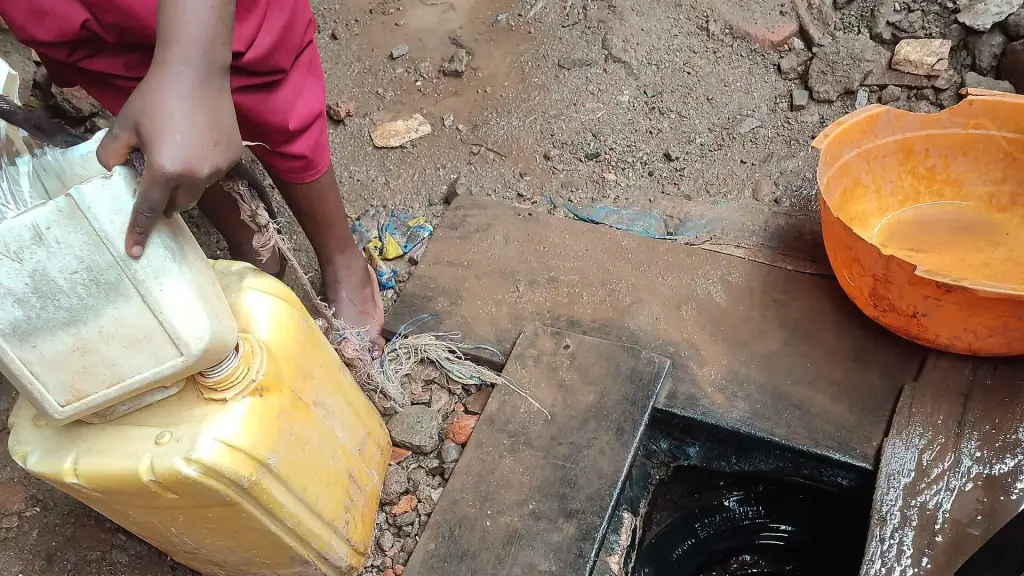
Intermittent supply. Water that arrives only on some days, or some hours, has to be stored in tanks and cisterns, where it can be contaminated even if it left the treatment plant in good condition. Using national health and nutrition survey data from 2022 to 2024, researchers at Mexico's National Institute of Public Health found that only 36.5 per cent of households had a continuous, round-the-clock water supply. Intermittency was highest in rural households in the south and among poorer households. Surprisingly, the driest regions tended to have better supply, which led the authors to conclude that the problem reflects inequalities in infrastructure and income more than physical scarcity.
Perception and information. Water can be safe and still taste of chlorine, smell odd or look cloudy, and water can look clear and still carry microbes. When utilities publish little information about quality, people judge by their senses, and many choose not to take the risk. The UNAM study found exactly this: taste and smell, rather than test results, drove people's choices.
The national figures reflect the same gap. According to the WHO/UNICEF Joint Monitoring Programme, 99.5 per cent of Mexicans had at least a basic drinking water service in 2024, but only 43 per cent had a safely managed one: on premises, available when needed and free from contamination.
In numbers: Only 36.5 per cent of Mexican households had a continuous 24-hour water supply in 2022–2024, with the lowest levels in the rural south and among poorer households.
Source: Figueroa et al., Salud Pública de México (2025), using Ensanut Continua 2022–2024 data.
Bottled water and health
Bottled water sits at an awkward point in Mexican public health. On one side, overweight and obesity among children have risen, and Mexican researchers link this partly to sugar-sweetened drinks replacing plain water, so encouraging water is a public health priority. On the other, the main alternative to sugary drinks for many people is bottled water itself.
Mexico's excise tax on sugar-sweetened beverages, introduced in January 2014, illustrates the link. An observational study in the BMJ by researchers at Mexico's National Institute of Public Health and the University of North Carolina found that in 2014 purchases of taxed drinks fell by an average of 6 per cent compared with what pre-tax trends predicted, with larger falls among low-income households. Purchases of untaxed beverages rose by about 4 per cent, mainly because people bought more bottled plain water.
Schools are another front. A trial in three public schools in the state of Hidalgo, published in 2024, placed drinking fountains in schools and classrooms alongside nutrition lessons. After six months, children in the intervention schools drank about 200 millilitres more water a day than those in the comparison school, and consumed less sugar. Fountains only work if children and parents trust them, which brings the question back to water quality and maintenance.
Bottled water is not automatically safer than tap water either. The UNU-INWEH review drew on around 60 case studies from more than 40 countries and documented microbial and chemical contamination in hundreds of bottled-water brands, sometimes above national or international limits. Where piped water is genuinely unsafe or unreliable, buying water is a rational choice; where it is safe, bottled water is mainly an expensive habit.
Key idea: Mexico's appetite for bottled water is less a consumer fashion than a symptom of piped supplies that people find unreliable or untrustworthy.
The costs: households and the environment
Buying drinking water costs households money that wealthier households with safe, continuous tap water do not have to spend. When the poorest households also have the least reliable supply, as the 2025 survey analysis found, the cost falls on those least able to bear it. Human rights standards treat this as a question of affordability: a service that forces people to buy water elsewhere is not meeting the standard, even if a pipe is connected. Our article on water and sanitation rights in Mexico describes the country's legal framework.
The environmental costs are wider. The UNU-INWEH review estimated that the world produces around 600 billion plastic bottles a year, about 25 million tonnes of plastic waste, most of it not recycled. Plastic that escapes collection ends up in rivers and lakes, as explained in our article on plastic pollution in fresh water. The review also noted that bottlers draw on local groundwater and springs, and that, for lack of legal requirements, they often do not have to disclose how much they extract or to assess the effects. Globally these withdrawals are small compared with farming, but locally they can matter, and the lack of data makes them hard to judge.
What would change the picture
Mexico's 2025 General Water Law, which gives priority to personal and domestic use and bans total disconnections for non-payment, sets out rights on paper. Whether people go back to the tap will depend on more practical things:
- Continuous supply. Pressure in the pipes around the clock reduces the risk of contamination entering the network and removes the need for storage tanks.
- Published quality data. Regular, easy-to-read results from utilities let people judge their water by evidence, not just taste.
- Safe storage and home treatment. Where supply is intermittent, clean, covered storage and simple treatment protect households in the meantime. Our explainer on how drinking water treatment works covers the basics.
- Working fountains in schools and public spaces. They give children a free alternative to sugary drinks, but only if they are maintained and tested.
For the bigger picture on safe drinking water as a global goal, see SDG 6 explained, and browse more in water access and sanitation.
Until about 2016–2018 this web address belonged to the Freshwater Action Network, a civil-society network on water and sanitation. FreshwaterAction is a separate, independent publication. It is not that network, does not speak for it and is not its successor. This article is newly written on the same subject.
Sources
- Global Bottled Water Industry: A Review of Impacts and Trends (Bouhlel, Köpke, Mina and Smakhtin, 2023)United Nations University Institute for Water, Environment and Health (UNU-INWEH)
- La doble cara del suministro de agua en los hogares en México: norte y sur, ricos y pobres (Figueroa et al., Salud Pública de México, 2025)Instituto Nacional de Salud Pública, Mexico
- Drinking water quality in a Mexico City university community: perception and preferences (Espinosa-García et al., EcoHealth, 2015)EcoHealth (Springer)
- Beverage purchases from stores in Mexico under the excise tax on sugar sweetened beverages: observational study (Colchero et al., BMJ, 2016)BMJ
- Impact of a school-based intervention on sugar-sweetened beverage intake substitution by water in Mexican scholars (Olvera et al., Annals of Nutrition and Metabolism, 2024)Annals of Nutrition and Metabolism (Karger)
- Household data: drinking water, sanitation and hygiene, Mexico (estimates for 2000–2024)WHO/UNICEF Joint Monitoring Programme (JMP)
Spotted an error? Write to contact@freshwateraction.net. Our editorial policy explains how we correct articles.