What Happens After the Toilet: Faecal Sludge Management in South Asian Cities
Most toilets in South Asian towns empty into pits and septic tanks, not sewers. How faecal sludge is emptied, transported and treated, and why smaller cities matter.
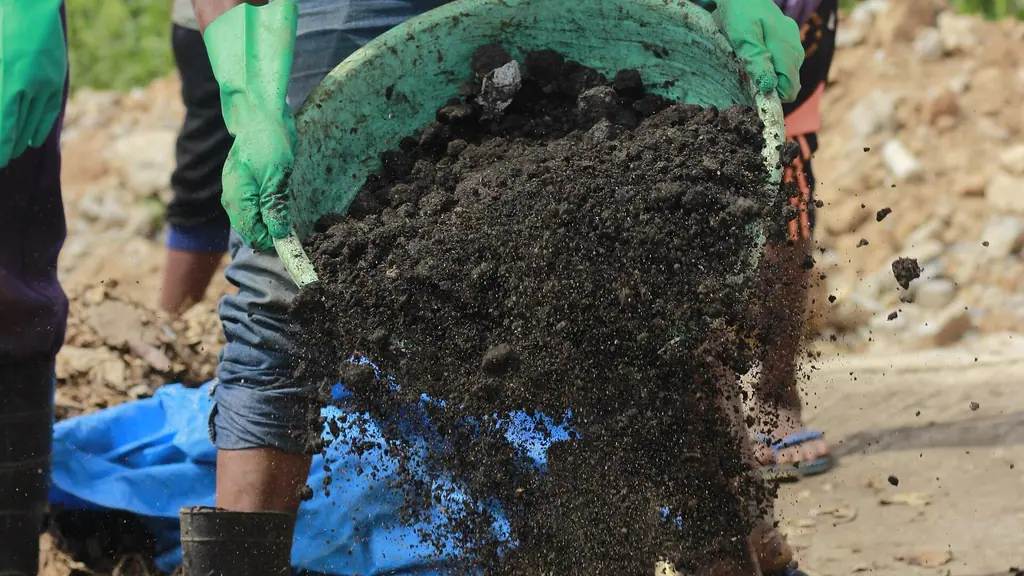
A pit latrine or septic tank does not make waste disappear. It stores it. Sooner or later the pit fills, and someone has to empty it. In many South Asian towns that job is still done by hand, or by a private tanker truck that may drive the sludge to the edge of town and discharge it into a drain, a field or a river. A household can have a clean, well-used toilet and still be part of a system that spreads untreated faeces through the neighbourhood.
This is the problem that faecal sludge management (FSM) sets out to solve. This article explains the sanitation service chain, why it matters so much in South Asia's smaller cities, what India's 2017 national policy changed, and how cities can tell where their waste actually goes.
The sanitation service chain
Sanitation is safe only if every step from the toilet to final disposal is safe. The World Health Organization's Guidelines on sanitation and health (2018) treat sanitation as a whole system for this reason. The steps are usually described as a chain:
- Containment. The toilet and whatever receives the waste: a sewer connection, a septic tank, or a lined or unlined pit.
- Emptying. Removing accumulated sludge from pits and tanks, by hand or by vacuum truck.
- Transport. Moving the sludge, or sewage through pipes, to a treatment site.
- Treatment. Reducing pathogens and organic load, in a sewage works or a dedicated faecal sludge treatment plant.
- Disposal or reuse. Safe discharge of treated effluent and safe use or disposal of treated solids, for example as a soil conditioner.
Sewered cities handle steps two to four through pipes. Cities that rely on on-site systems, pits and septic tanks, need a separate service of emptying, transport and treatment. That is faecal sludge management.
Key idea: A toilet is only the first link; if the sludge from a pit or septic tank is dumped untreated, the household's toilet has moved the health risk, not removed it.
Why it matters so much in South Asia
South Asia's sanitation revolution of the past two decades was mostly built on on-site systems. According to WHO/UNICEF Joint Monitoring Programme estimates compiled by the World Bank, the share of South Asians using at least a basic toilet rose from about 17 per cent in 2000 to 82 per cent in 2024. Most of those new toilets are connected to pits or septic tanks, not sewers.
The JMP counts sanitation as "safely managed" only if excreta are safely disposed of where they are, or emptied, transported and treated off-site. On that measure, about 60 per cent of South Asia's population had safely managed sanitation in 2024.
| Sanitation, 2024 | At least basic | Safely managed |
|---|---|---|
| South Asia (eight countries) | 82% | 60% |
| India | 83% | 63% |
| Nepal | 86% | 53% |
| Bangladesh | 68% | 37% |
Source: WHO/UNICEF JMP estimates via World Bank World Development Indicators (updated November 2026). Rounded.
Globally, the JMP's 2025 report found that 3.4 billion people still lacked safely managed sanitation in 2024. Much of the gap is not about toilets but about what happens to their contents.
Smaller cities: the blind spot
A 2016 research report by the Centre for Policy Research (CPR), an Indian public policy think tank, and the Freshwater Action Network South Asia, prepared for the sixth South Asian Conference on Sanitation, made the case that smaller cities and towns were a blind spot in sanitation policy. Faecal Waste Management in Smaller Cities across South Asia: Getting Right the Policy and Practice drew on contributors in all eight SACOSAN countries.
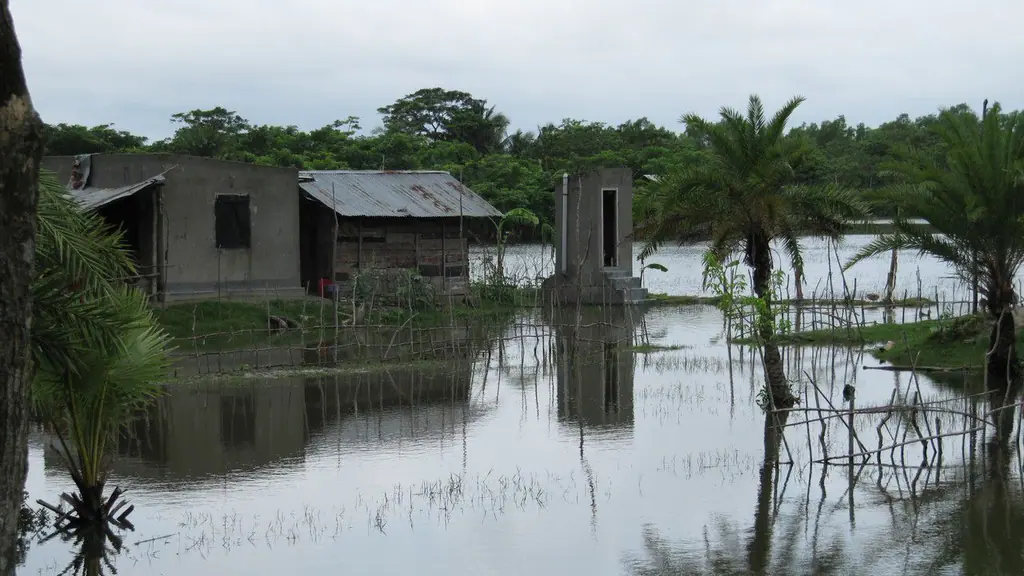
Its central argument was that national urban programmes concentrated investment in large cities, where sewerage is at least partly feasible, while smaller towns, which rely almost entirely on pits and septic tanks, received little attention. Even in India, with its high political profile for sanitation, the report noted that the urban sanitation mission of the time did not focus on treatment and disposal, and a major infrastructure programme covered treatment only in larger towns. It described hazardous practices in smaller towns, including manual emptying and open dumping of sludge, and presented case studies of faecal sludge treatment in Lakshmipur, Bangladesh, and septage treatment in Chilaw, Sri Lanka. Its conclusion was that, for the foreseeable future, the region could not treat faecal sludge management as optional, and it called for political attention, integration into national policy and planning, and support for urban local bodies.
The report remains available from its publisher, the Centre for Policy Research. FreshwaterAction does not republish it.
India's 2017 national policy
The following year India adopted a national policy on the issue. The Ministry of Urban Development issued the National Policy on Faecal Sludge and Septage Management in February 2017. According to a summary by the Centre for Science and Environment, which contributed to it through a national alliance of organisations, the policy:
- covers the whole chain of containment, extraction, transport, treatment, and disposal or reuse;
- sets the context, priorities and direction for faecal sludge and septage management in all urban local bodies;
- asks states to develop guidelines, timelines and implementation plans, and cities to build databases and registries of on-site systems;
- encourages funding and public-private partnerships, and links the work to national sanitation, urban infrastructure and smart-cities programmes;
- aims to reduce gender-based sanitation insecurity and involve women and men in planning.
The policy marked a shift in official thinking: on-site sanitation was no longer treated as a temporary stage before sewers but as a permanent part of urban systems that needs regulation and services of its own.
In numbers: Safely managed sanitation in India rose from 9 per cent of the population in 2000 to 43 per cent in 2015 and 63 per cent in 2024.
Source: WHO/UNICEF JMP estimates via World Bank World Development Indicators.
Seeing where the waste goes
A city cannot fix what it cannot see. One widely used tool is the excreta flow diagram, known in the sector by the blunter name "shit flow diagram" or SFD. It shows, for a whole city, what share of excreta is safely contained, emptied, transported and treated, and where it escapes into drains, soil and water. The SFD Promotion Initiative, managed under the Sustainable Sanitation Alliance with partners including India's Centre for Science and Environment, Eawag/Sandec, the University of Leeds and Loughborough University's WEDC, publishes reviewed SFDs for cities around the world.
Such diagrams can reveal that a city with near-universal toilet coverage still sends most of its excreta untreated into the environment, because pits are emptied informally or treatment plants are missing or not working.
What good faecal sludge management looks like
- Containment that works. Properly designed and lined pits and septic tanks that do not leak into groundwater, especially where people drink from shallow wells. The link between sanitation and drinking water safety is explored in our article on drinking water quality in Pakistan.
- Safe, dignified emptying. Mechanised emptying, protective equipment and fair pay for sanitation workers, whose safety the 2016 SACOSAN Dhaka Declaration committed governments to protect, as described in our article on the SACOSAN conferences.
- Scheduled rather than on-demand emptying. Regular emptying prevents overflowing tanks and makes services predictable.
- Treatment capacity close to towns. Small treatment plants reduce the temptation to dump sludge near the source.
- Regulation and data. Licensing emptying operators, recording where sludge is discharged and publishing city-wide data.
What goes down the toilet affects every link in the chain, as our guide to what not to flush explains. For the wider policy picture, see SDG 6 explained.
Until about 2016–2018 this web address belonged to the Freshwater Action Network, which hosted a copy of the 2016 report described above. FreshwaterAction is a separate, independent publication. It is not that network, does not speak for it and is not its successor. This article is newly written on the same subject.
Sources
- Faecal Waste Management in Smaller Cities across South Asia: Getting Right the Policy and Practice (Dasgupta, Murali, George and Kapur, 2016)Centre for Policy Research, New Delhi, and Freshwater Action Network South Asia
- National Policy on Faecal Sludge and Septage Management (FSSM)Centre for Science and Environment, India
- The SFD Promotion InitiativeSustainable Sanitation Alliance (SuSanA)
- Guidelines on sanitation and health (2018)World Health Organization
- World Development Indicators: basic and safely managed sanitation, South Asia, India, Bangladesh and Nepal, 2000–2024 (data from the WHO/UNICEF JMP)World Bank
- 1 in 4 people globally still lack access to safe drinking water – WHO, UNICEF (26 August 2025)World Health Organization
Spotted an error? Write to contact@freshwateraction.net. Our editorial policy explains how we correct articles.