What Not to Flush or Pour Down the Drain
Why wet wipes, cooking fat, medicines and chemicals cause blockages and river pollution, how sewers and overflows work, and what to do with each item.
When the UK government announced a ban on wet wipes containing plastic in November 2025, it illustrated the news with a photograph of a heap of wipes pulled out of Minworth Sewage Treatment Works near Birmingham. The accompanying figures explained why: research by UK Water Industry Research found that wet wipes contribute to 94 per cent of sewer blockages, which cost water companies around £200 million a year to clear, a cost passed on to households through water bills.
Blockages are only part of the story. Whatever goes down a toilet, sink or outside drain ends up somewhere: in a treatment works that was not designed to remove it, in a river after a sewer overflows, or straight into a stream through a surface-water drain. Most of these problems start with small, everyday decisions in kitchens and bathrooms.
This guide explains where household drains lead, why particular items cause trouble, and what to do with each of them instead.
Where your drains actually go
Most homes in towns and cities connect to two kinds of drain, and it helps to know which is which.
- Foul sewers carry wastewater from toilets, sinks, showers, washing machines and dishwashers to a sewage treatment works.
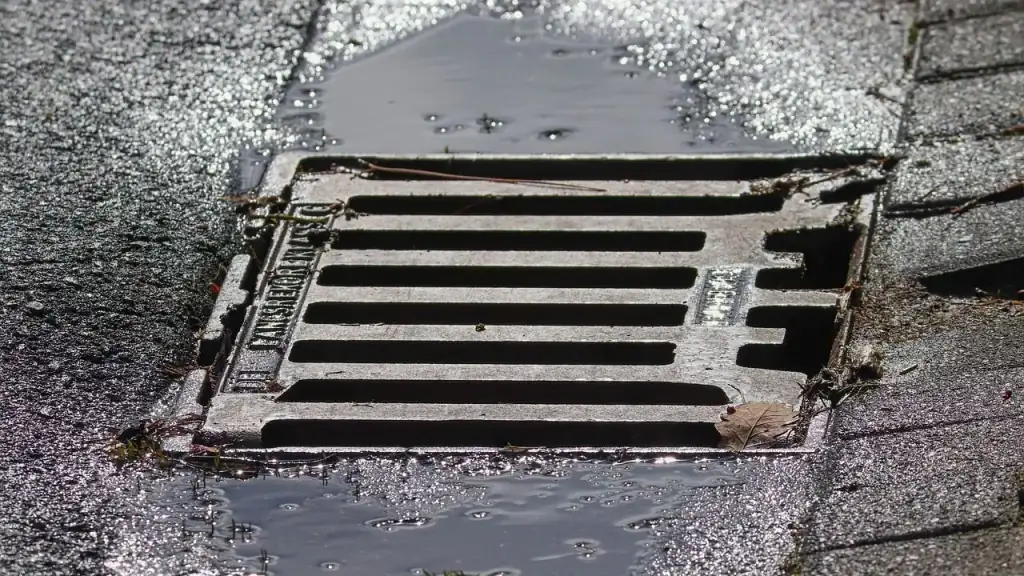
- Surface-water drains, including most roadside gullies and many garden and roof drains, carry rainwater. In many areas they run directly to the nearest stream or river without any treatment.
In older parts of many cities, including much of London and many North American cities, the two are combined. The US Environmental Protection Agency (EPA) explains that a combined sewer collects rainwater runoff, domestic sewage and industrial wastewater in one pipe. Normally it carries everything to a treatment plant, but when heavy rain exceeds its capacity, untreated stormwater and wastewater flow into nearby rivers and seas. These releases are called combined sewer overflows in the US and storm overflows in the UK. They are designed as relief valves to stop sewage backing up into homes and streets.
In numbers: Monitors recorded 291,492 storm overflow spill events in England in 2025, an average of 20.5 per overflow and 35 per cent fewer than in 2024; the Environment Agency said much of the fall reflected unusually dry weather.
Source: Environment Agency, "Fewer and shorter storm overflow spills in 2025, new monitoring data shows", 26 March 2026.
Blocked pipes make all of this worse. A sewer partly choked with wipes and fat has less room for flow, so it can overflow sooner in a storm, or back up into homes and gardens in dry weather.
Households that are not on mains sewerage, with a septic tank or small treatment plant, have even more reason to be careful: the tank relies on bacteria to break down waste, and solids, fats and chemicals can stop it working and pollute the ground and nearby water.
The simple rule: only the three Ps
The water industry's shorthand is that toilets are for the "three Ps" only: pee, poo and (toilet) paper. Toilet paper is made to break up quickly in water. Almost everything else that people flush, from wipes and cotton buds to dental floss and hair, is designed to stay strong when wet, which is exactly what makes it a problem in a sewer.
| Item | Why it causes problems | What to do instead |
|---|---|---|
| Wet wipes (including those labelled "flushable") | Do not break down like toilet paper; tangle into rags and blockages; plastic-containing wipes shed microplastics | Put in the bin |
| Sanitary pads, tampons, applicators, nappies | Absorb water and swell; contain plastics | Wrap and put in the bin |
| Cotton buds, dental floss, contact lenses, plasters | Small items snag and build up; plastic parts reach rivers | Put in the bin |
| Cooking fat, oil and grease | Harden in pipes and form fatbergs | Cool, scrape into the bin or a food-waste caddy; wipe pans with used kitchen paper |
| Food scraps | Feed rats and add to blockages; add nutrients to sewage | Compost or food-waste collection |
| Medicines | Many pass through sewage treatment into rivers | Return to a pharmacy |
| Paint, solvents, motor oil, garden chemicals | Toxic to aquatic life; may go straight to a river via outside drains | Council household waste and recycling centre |
Disposal routes vary between councils and countries; check your local authority's guidance.
Wet wipes and other "unflushables"
Many wipes are made with plastic fibres that hold them together when wet. In sewers they snag on rough joints and roots, catch other material and build up into rag-like masses. At treatment works they wrap around pumps and screens. The UK government has noted that, once flushed, wipes containing plastic can break down into microplastics that harm wildlife and enter the food chain, and that beach litter monitoring between 2015 and 2020 found an average of 20 wet wipes on every 100 metres of UK beach surveyed.
From 19 May 2027 it will be illegal to sell or supply single-use wet wipes containing plastic in England, including baby wipes, make-up removal wipes and moist toilet tissue, with other UK nations introducing bans on their own timetables. But plastic-free wipes can still cause blockages. The government's own advice is that any wet wipe, even one labelled flushable, should go in the bin. Our article on plastic pollution in rivers and lakes explains what happens to plastic once it escapes.
Fats, oils and grease: how fatbergs form
Hot cooking fat poured down a sink looks harmless because it is liquid. In the pipes it cools and sticks to the walls, catching wipes and food scraps. Over time these build into the hard, rock-like masses that sewer workers call fatbergs.
Research at North Carolina State University, published in Environmental Science & Technology in 2011, showed why the deposits become so hard. The team found that fat, oil and grease must first break down into glycerol and free fatty acids; the fatty acids then react with calcium in the sewer to form calcium-based fatty acid salts. In other words, the deposits are, chemically, a kind of soap. Laboratory-made deposits closely matched samples taken from real sewer lines.
Key idea: Fat does not just "set" in sewers; it reacts chemically with calcium to form soap-like deposits that bind wipes and debris into blockages, so even small amounts poured regularly add up.
The fix is simple: let fat and oil cool, scrape them into the bin or a food-waste caddy, and wipe greasy pans with used kitchen paper before washing. Some councils collect larger quantities of used cooking oil at recycling centres. Pouring hot water or washing-up liquid after fat does not solve the problem; it only moves the fat further down the pipe before it sets.
Medicines
Medicines taken as directed pass through the body into sewage, and treatment works are not designed to remove every pharmaceutical compound, so traces reach rivers. Flushing unused tablets or pouring liquid medicines down the sink adds to that load unnecessarily.
In England, returning unwanted medicines is an essential service that all community pharmacies provide: according to Community Pharmacy England, every pharmacy accepts unwanted medicines from patients, and the NHS arranges for them to be collected and disposed of safely. The service does not cover sharps such as needles, which local councils arrange to collect. Elsewhere, pharmacies, health services or local authorities usually run take-back schemes; check what is offered where you live before throwing medicines away.
Paints, chemicals and outside drains
Outside drains deserve particular care, because in many areas they lead straight to a stream. Washing paintbrushes over a gully, emptying a mop bucket into the road, tipping used engine oil down a drain, or rinsing garden chemicals off a patio can poison a stretch of river. Even small amounts of oil, solvents and pesticides are toxic to fish and invertebrates.
- Wash water-based paint brushes in a container, let the solids settle and dispose of the residue as your council advises.
- Take solvents, oil, unwanted pesticides and other hazardous liquids to a council household waste and recycling centre.
- Wash cars on a lawn or gravel, or at a car wash that treats its water, rather than on a road that drains to a gully.
Indoors, a related problem is misconnection: a washing machine, dishwasher or extension toilet plumbed by mistake into a surface-water drain sends sewage and detergent directly to a river. If you are having new appliances fitted or building an extension, ask the plumber to confirm which drain they connect to.
A quick household checklist
- Keep a small bin with a lid in every bathroom so that wipes, cotton buds and sanitary products have somewhere to go.
- Keep a container by the cooker for cooled fat and oil.
- Use sink strainers to catch food scraps.
- Return old medicines to a pharmacy.
- Store paints and chemicals safely and take leftovers to the council recycling centre.
- Find out whether the drains outside your home lead to a sewer or a stream.
For the bigger picture of how sewage and runoff affect rivers, see our guides to water quality and nutrient pollution and algal blooms. Our guide to how drinking water treatment works explains the different job done by sewage works. Wider habits that protect rivers, from cleaning products to garden chemicals, are covered in sustainable household habits that protect fresh water, and the water quality and pollution section has more.
Sources
- New law bans plastic wet wipes to protect rivers and seasDepartment for Environment, Food & Rural Affairs, GOV.UK
- Plastic wet wipes banDepartment for Environment, Food & Rural Affairs, GOV.UK
- Researchers Find Fat Turns Into Soap In Sewers, Contributes To OverflowsNorth Carolina State University
- Combined Sewer Overflows (CSOs)US Environmental Protection Agency
- Fewer and shorter storm overflow spills in 2025, new monitoring data showsEnvironment Agency, GOV.UK
- Disposal of unwanted medicinesCommunity Pharmacy England
Spotted an error? Write to contact@freshwateraction.net. Our editorial policy explains how we correct articles.