How to Save Water at Home: What Really Makes a Difference
Where household water goes and which changes save the most, from fixing leaks and shorter showers to efficient toilets and gardens, with figures you can check.
In the year to March 2026, the average person in England used 136.9 litres of water a day at home, according to the Environment Agency's annual review of water resources, published in October 2026. That was a slight increase on the year before, and national demand for water was higher than water companies had forecast in their long-term water resources plans. In the United States, the Environmental Protection Agency (EPA) estimates that each person uses an average of 82 US gallons (about 310 litres) a day at home, a figure pushed up by watering lawns and gardens.
Most advice on saving water is a long list of small tips. Some matter far more than others. A tap left running while you brush your teeth wastes a few litres; a toilet quietly leaking into the bowl can waste hundreds of litres a day, and a sprinkler left on for an hour uses about a thousand.
This guide looks at where water goes in a typical home, ranks the changes by how much they save, works through an example household, and explains why the energy used to heat water matters too. All the per-use figures match those in our household water use calculator, so you can test the changes against your own home.
Where the water goes
Inside the home, a few uses dominate. Waterwise, the UK's independent water-efficiency organisation, estimates that toilets use about 25 per cent of household water and kitchens about 22 per cent, with showers and baths making up much of the rest. Remember that all of it is treated to drinking-water standard, including the water used to flush toilets.
Outside, the picture depends on climate and garden. The EPA notes that roughly 70 per cent of household water use in the United States occurs indoors and 30 per cent outdoors on average, but outdoor use can reach 60 per cent of the total in arid regions, mainly because of irrigated lawns.
The table below shows how much common activities use. These are typical published figures, not measurements of your fittings.
| Activity | Typical water use | Source |
|---|---|---|
| Shower, low-flow head | about 6 litres a minute | Waterwise |
| Shower, standard head | 10–15 litres a minute | Waterwise |
| Bath | about 80 litres | Waterwise |
| Toilet flush, older single-flush | up to 13 litres | Waterwise |
| Toilet flush, dual-flush | 4–6 litres | Waterwise |
| Bathroom tap, standard | 8.3 litres a minute (2.2 US gallons) | EPA WaterSense |
| Washing machine, standard | 75.7 litres a load (20 US gallons) | ENERGY STAR |
| Washing machine, efficient | 53 litres a load (14 US gallons) | ENERGY STAR |
| Hosepipe or sprinkler | about 1,000 litres an hour | Bristol Water |
| Tap dripping once a second | more than 11,000 litres a year (3,000 US gallons) | EPA WaterSense |
| Leaking toilet | up to 400 litres a day | Waterwise |
US gallons converted at 3.785 litres. Real flows vary with water pressure and the age and design of each fitting; the bucket-and-stopwatch test in our household water audit worksheet measures yours.
Key idea: The biggest savings usually come from things that run for minutes or around the clock (showers, hosepipes and leaks), because every minute multiplies the flow.
The changes that save the most
The order below is a rough guide for a typical home. Your own order will depend on what you have and how you live, which is why measuring first pays off.
1. Find and fix leaks
Leaks are the largest avoidable waste in many homes, and they are invisible until you look. The EPA's Fix a Leak Week campaign reports that the average US household's leaks can waste more than 9,300 US gallons (over 35,000 litres) a year, and that nine per cent of homes have leaks wasting 50 gallons (about 190 litres) or more a day. The usual culprits are worn toilet valves and flappers, dripping taps and leaking outdoor taps and hoses.
A leaking toilet is the classic hidden leak: Waterwise says one can waste up to 400 litres a day as water trickles silently from the cistern into the bowl. To check, an adult adds a few drops of food colouring to the cistern (not the bowl), and you wait without flushing. If colour appears in the bowl, the cistern is leaking. Many UK water companies will fix a leaking toilet for free, Waterwise notes, so it is worth contacting yours.
A tap dripping once a second wastes more than 3,000 US gallons (over 11,000 litres) a year, according to the EPA; often the fix is a new washer.
2. Change how you shower
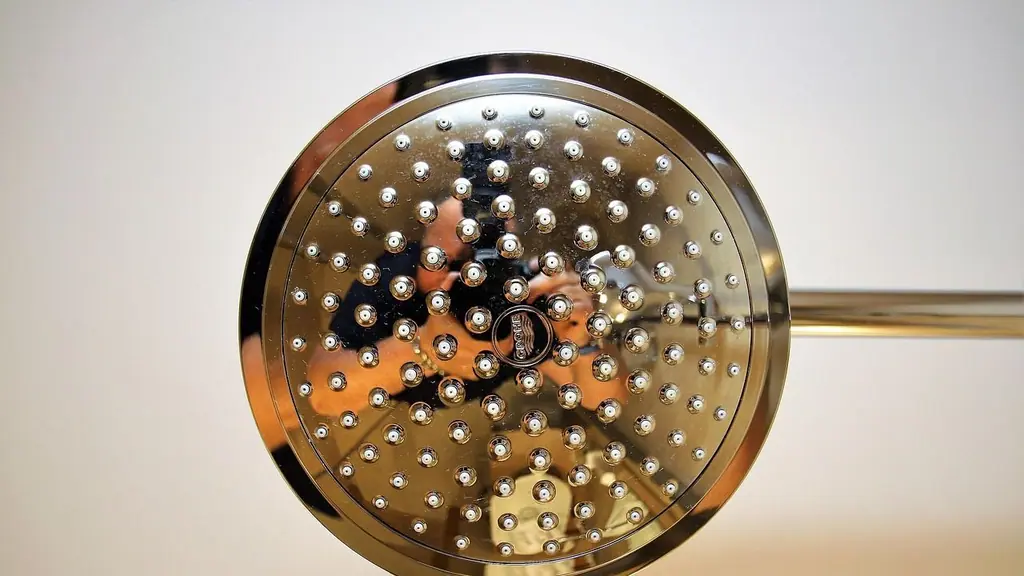
A shower's water use is simply flow multiplied by time, so there are two levers. Waterwise compares a low-flow head at around 6 litres a minute with a standard head at 10 to 15 litres a minute: over a 10-minute shower, that is a saving of up to 90 litres. Power showers, which pump water at higher flow, can use more than a bath. Shortening a shower by a few minutes saves a similar amount with no equipment at all.
If you are not sure what your shower uses, hold a bucket of known size under it and time how long it takes to fill. Litres per minute equals litres divided by seconds, multiplied by 60.
3. Use less water to flush
Older single-flush toilets can use up to 13 litres a flush, while dual-flush toilets use 4 to 6 litres, according to Waterwise. Replacing an old toilet is a bigger job, but the EPA estimates that an average US family can save 13,000 gallons (about 49,000 litres) a year by replacing old, inefficient toilets with WaterSense-labelled models. A cheaper step is a cistern displacement device, a bag or block that sits in the cistern and, Waterwise says, can reduce each flush by at least 1 litre; many water suppliers give them away.
4. Water the garden wisely
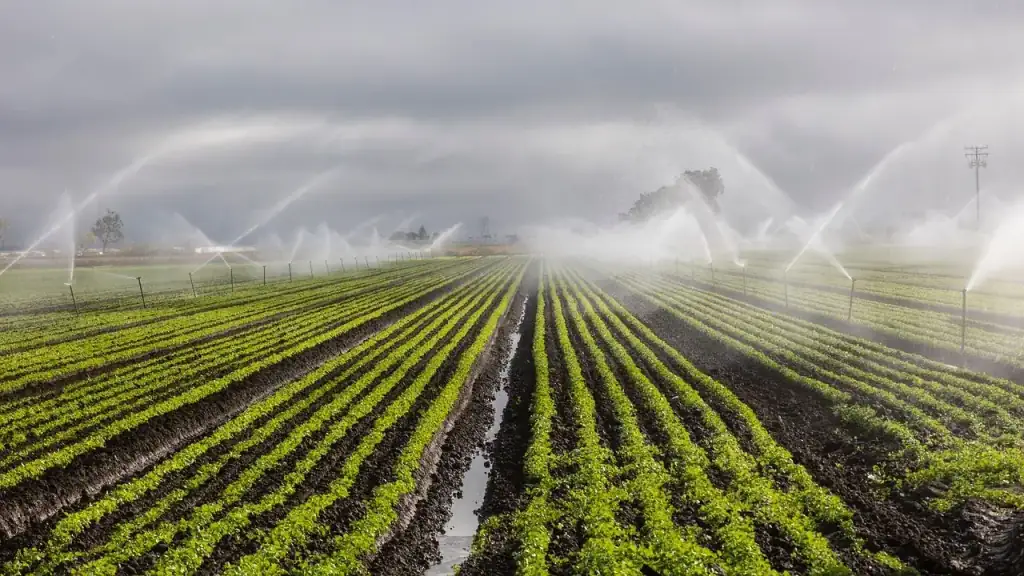
A hosepipe or sprinkler can use around 1,000 litres an hour, according to Bristol Water, much of it landing on paths or evaporating. The EPA estimates that as much as 50 per cent of water used outdoors is lost to wind, evaporation and runoff from inefficient watering. The most effective changes are to:
- Leave established lawns alone in dry weather. Waterwise and Bristol Water both point out that lawns turn brown but recover when rain returns.
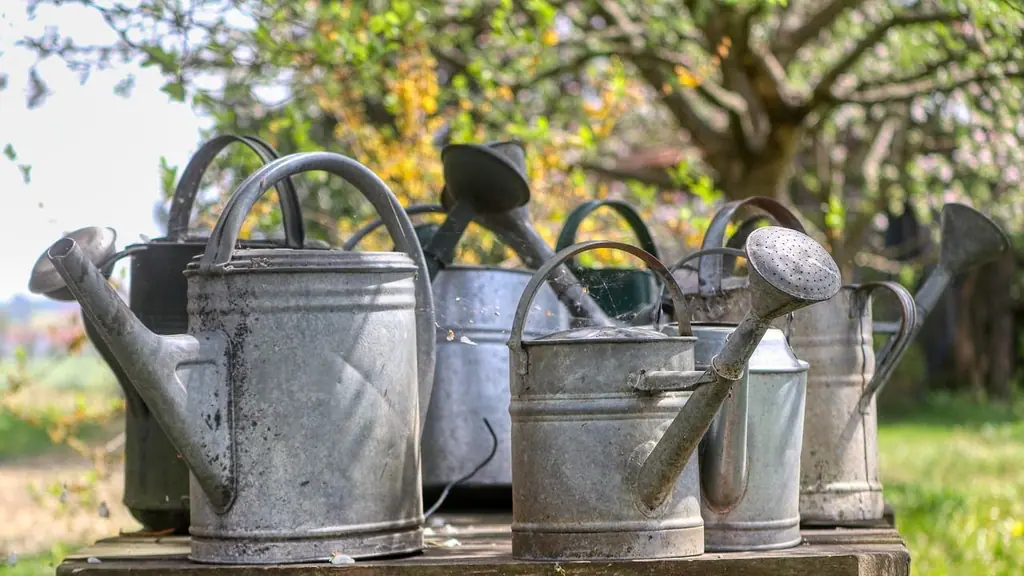
- Use a watering can on the plants that need it, early in the morning or in the evening when less water evaporates.
- Mulch beds with compost or woodchip to keep moisture in the soil.
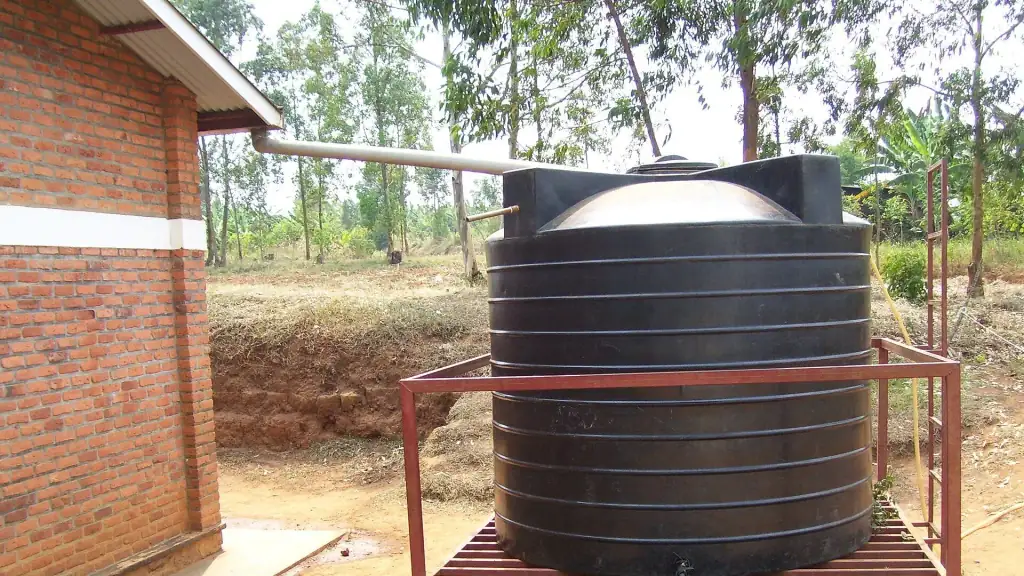
- Collect rainwater in a water butt. Our introduction to rainwater harvesting explains how to size and use one safely.
5. Turn taps down and off
The EPA estimates that turning off the tap while brushing your teeth twice a day saves about 8 US gallons (around 30 litres) a day. Aerated tap inserts mix air into the flow: the EPA's WaterSense label allows a maximum of 1.5 gallons (5.7 litres) a minute, compared with a standard 2.2 gallons (8.3 litres). In the kitchen, Waterwise says a washing-up bowl can reduce wastage by up to 50 per cent, and scraping plates rather than rinsing them before they go in the dishwasher avoids running the tap altogether.
6. Run full loads in efficient machines
ENERGY STAR reports that certified full-size washing machines use 14 US gallons (53 litres) a load compared with 20 gallons (75.7 litres) for a standard machine. Running dishwashers and washing machines only when full saves the most for the least effort: the EPA estimates that running the dishwasher only when it is full saves the average family nearly 320 gallons (about 1,200 litres) a year. Waterwise adds that a dishwasher on an eco setting is often more efficient than washing by hand, especially when fully loaded.
A worked example
To see how the changes compare, imagine a household of two people who between them take 14 eight-minute showers a week under a standard 10-litre-a-minute head, have one bath a week, flush a standard 6-litre toilet five times each a day, run taps for five minutes each a day, and run the washing machine four times a week. Using the same per-use figures as our calculator, here is roughly what some changes would save:
| Change | Estimated saving for this example household |
|---|---|
| Fix a leaking toilet (if it leaks heavily) | up to 400 litres a day |
| Switch to a 6-litre-a-minute shower head | about 64 litres a day |
| Cut showers from 8 to 5 minutes (standard head) | about 60 litres a day |
| Fix a tap dripping once a second | about 31 litres a day |
| Fit aerated taps (8.3 to 5.7 litres a minute) | about 26 litres a day |
| Replace a standard washing machine with an efficient one | about 13 litres a day |
| Replace a 6-litre toilet with a 4.8-litre model | about 12 litres a day |
| Put a cistern displacement device in the 6-litre toilet | about 10 litres a day |
Illustrative estimates only, calculated from published per-use figures for typical fittings. Leak savings depend entirely on the size of the leak; the toilet figure is Waterwise's upper estimate.
Two lessons stand out. Leaks, if you have them, outweigh everything else. And for most households without leaks, the shower is where a single change saves the most. Enter your own habits in the household water use calculator, or compare single activities side by side with the water use comparison tool.
In numbers: Household water use in England averaged 136.9 litres per person per day in 2025 to 2026, while just under 19 per cent of all water put into public supply networks was lost to leakage before reaching customers.
Source: Environment Agency, Water resources 2025 to 2026 (October 2026).
Hot water costs energy too
Saving hot water saves twice: once in water and again in the energy used to heat it. The EPA gives a sense of scale: letting a tap run for five minutes while washing dishes can use 10 US gallons (about 38 litres) of water and enough energy to power a 60-watt light bulb for 18 hours. It also estimates that replacing showerheads with WaterSense-labelled models can cut the average family's water and electricity costs by about $70 a year. Showers, baths, hot taps, dishwashers and washing machines are all hot-water uses, so changes there tend to lower energy bills and emissions as well as water bills.
Beyond your own taps
Household habits are one part of the picture. The Environment Agency's 2026 review found that leakage from water companies' networks remained at just under 19 per cent of all water put into distribution, which it described as "not acceptable, particularly during drought". It also identified smart metering as central to helping customers understand their use and to finding leaks more quickly. If you see water running across a pavement or bubbling up in the road, report it to your water supplier; leaks on public mains are the supplier's responsibility.
If your home is not on a water meter, ask your supplier whether one would suit you. Many households find that paying for what they use makes the savings in this guide show up directly on the bill.
Where to start this week
- Do the leak checks: food colouring in each toilet cistern, and a minute's watch of every tap.
- Time your shower with a bucket and a stopwatch, and decide whether a new head or a shorter shower suits you better.
- Ask your water supplier what free water-saving devices it offers.
- Put the numbers into the calculator to see which change matters most in your home.
If you want to involve children, our water conservation activities for families turn these checks into games and experiments. To look beyond the taps at the water used to grow food and make goods, read understanding your water footprint, and for how whole cities and countries have cut their use, see water conservation around the world. More guides are in the water conservation section.
Sources
- Water resources 2025 to 2026: analysis of the water industry's annual water resources performanceEnvironment Agency, GOV.UK
- How to save waterWaterwise
- Statistics and FactsUS Environmental Protection Agency, WaterSense
- How We Use WaterUS Environmental Protection Agency, WaterSense
- Bathroom FaucetsUS Environmental Protection Agency, WaterSense
- Fix a Leak WeekUS Environmental Protection Agency, WaterSense
- Clothes WashersENERGY STAR (US EPA and US Department of Energy)
- Saving water in the gardenBristol Water
Spotted an error? Write to contact@freshwateraction.net. Our editorial policy explains how we correct articles.