Nutrient Pollution and Algal Blooms
How nitrogen and phosphorus from farms and sewage drive eutrophication, why some algal blooms are toxic, what causes dead zones and how to stay safe.
Every summer since 1985, scientists have sailed across the continental shelf off Louisiana, lowering instruments to the seabed to map where the water has run out of oxygen. The low-oxygen "dead zone" they measure there is fed by nutrients carried down the Mississippi and Atchafalaya rivers from farmland, towns and cities across much of the central United States. In 2026 the zone covered about 3,450 km² (1,332 square miles), the second smallest on record, but NOAA attributed that mainly to Tropical Storm Bertha, which churned the water and mixed oxygen back down to the seabed just before the survey. The five-year average was about 9,700 km² (3,745 square miles), almost twice the target of under about 4,900 km² (1,900 square miles) by 2035 set by a federal and state task force.
The same chain of cause and effect operates in thousands of rivers, lakes and reservoirs, on a smaller scale and much closer to home. In England, the Environment Agency describes phosphorus as the most common cause of water bodies failing to reach good ecological status.
This article explains how two essential plant nutrients become pollutants, how eutrophication unfolds, why some blooms are toxic to people, pets and livestock, how to stay safe near one, and what is being done to cut nutrient pollution.
Essential nutrients, in the wrong place
Nitrogen and phosphorus are the building blocks of proteins, DNA and the energy-carrying molecules in every cell. Farmers add them to fields because crops need more than many soils supply. The problem arises when large amounts reach water. The US Geological Survey (USGS) notes that, although nutrients occur naturally, most of those in US waterways come from human activities, including fertiliser use, wastewater, animal waste and vehicle exhaust.
The two nutrients behave differently:
- Nitrogen occurs in water mainly as ammonia, ammonium and nitrate. The USGS notes that ammonia can be toxic to fish and is readily converted to nitrate where there is enough oxygen. Nitrate is very soluble and stable, so it moves easily through soil into groundwater and streams, and too much in drinking water can cause health problems.
- Phosphorus occurs mainly as phosphates. It tends to travel attached to soil particles and organic matter, so it is lost from land especially when soil erodes, and it builds up in river and lake sediments.
In many fresh waters, phosphorus is the nutrient in shortest supply relative to what algae need, so adding phosphorus has the biggest effect on algal growth. In many coastal waters nitrogen plays that role. Both matter, which is why management plans usually target both.
Where the nutrients come from
Nutrients reach water from two broad kinds of source:
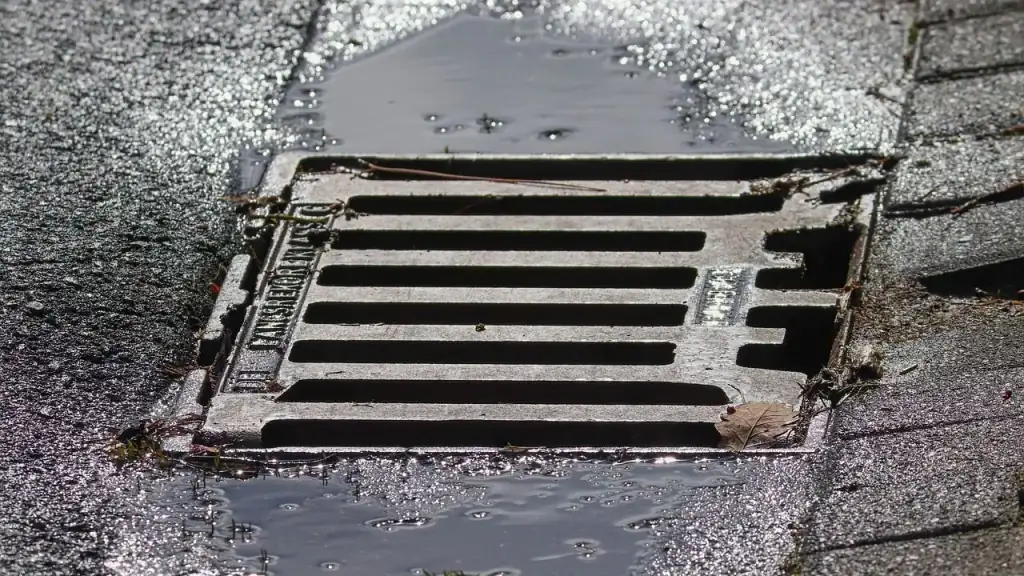
- Point sources discharge from a pipe at a known location: sewage treatment works, industrial outfalls and, in heavy rain, storm overflows from sewers.
- Diffuse sources are spread across the landscape: fertiliser and manure washed or leached from fields, eroded soil, runoff from roads and towns, misconnected household drains and leaking septic tanks.
England offers a well-documented example of how the balance between these sources can change. The Environment Agency's report Phosphorus: challenges for the water environment (updated in November 2025) explains that phosphorus concentrations in English rivers rose sharply between 1950 and the 1980s, driven by phosphate-based detergents, population growth and artificial fertilisers. Since 2000, the phosphorus load from sewage treatment works has been cut by 79 per cent, to 4.7 thousand tonnes a year by 2025, and the contribution of detergents to sewage phosphorus has fallen from around half in the 1970s to minimal levels.
In numbers: Average orthophosphate concentrations at long-term monitoring points in English rivers fell by 68 per cent between 1980 and 2024, yet 53 per cent of river water bodies and 72 per cent of lake water bodies assessed for phosphorus still failed the standard for good ecological status.
Source: Environment Agency, Phosphorus: challenges for the water environment (2025 update), using 2019 phosphorus classifications.
Those improvements shifted the picture. The same report states that agriculture and rural land management has now overtaken sewage works as the most common cause of water bodies not achieving good status for phosphorus. Decades of fertiliser and manure application have also left "legacy" reserves of phosphorus in soils, which keep leaking into water long after inputs are reduced. Septic tanks and small package treatment plants are small sources nationally but, the agency notes, can be important locally, especially in the headwaters of catchments.
How eutrophication unfolds
Eutrophication is the process by which a body of water becomes over-enriched with nutrients. It happens naturally over very long periods in some lakes; the problem is the rapid, human-driven version. The USGS describes the sequence:
- Nutrients arrive from fields, drains and sewage works, usually in pulses after rain.
- Algae multiply. Microscopic algae and cyanobacteria feed on the nutrients, growing and spreading until the water turns green or brown. In slower, clearer rivers, nutrients can also fuel thick mats of filamentous algae on the bed.
- Light is blocked. A dense bloom shades out rooted water plants, which provide food, shelter and oxygen for other species.
- Oxygen swings. The Environment Agency notes that blooms use up oxygen in the water at night, which can suffocate fish and other creatures, even though they produce oxygen in daylight.
- The bloom dies and decays. Bacteria break down the dead algae, consuming dissolved oxygen. In deep, layered lakes and coastal seas the bottom water can lose almost all its oxygen.
- Wildlife declines. Sensitive fish and invertebrates move away or die; tolerant species take over, and the ecosystem becomes simpler and less stable.
Warm, calm, sunny weather and slow-moving water all favour blooms, which is why they are most common in late summer and in lakes, reservoirs, canals and slow lowland rivers.
Key idea: Nutrient pollution harms water indirectly: the nutrients themselves are rarely toxic at typical concentrations, but the algae they feed block light and, as they die and decay, strip oxygen from the water.
Cyanobacteria: when blooms become toxic
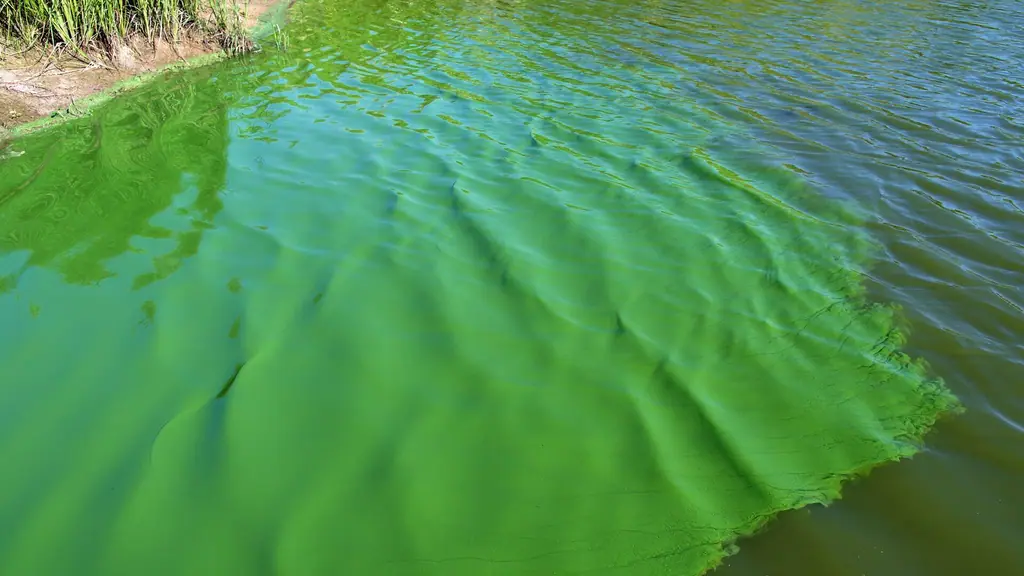
Not every bloom is dangerous. Green algae can discolour water and use up oxygen but, as the US Environmental Protection Agency (EPA) notes, they are not generally known to produce toxins. Cyanobacteria, often called blue-green algae, are different. They are bacteria that photosynthesise, and some species can produce potent toxins known as cyanotoxins, which can cause abdominal, neurological and skin problems in people and animals.
The EPA lists some of the most common toxin-producing groups, including Microcystis, the most common bloom-forming genus, whose blooms look like a thick, greenish, paint-like material that gathers along shores. It also warns that scums drying on lake shores can contain high concentrations of the toxin microcystin for several months, and that toxins are released into the water mostly when cells die and burst, so water can remain hazardous after a bloom appears to have collapsed. Cyanobacteria also grow as mats on the beds of some rivers and streams, where they are much less obvious than a floating scum.
The Environment Agency describes bloom water as less clear and green, blue-green or greenish-brown, and surface scums as looking like paint, mousse or small clumps. It states that cyanobacterial toxins can kill wild animals, livestock and pets, and can harm people, causing rashes after skin contact and illness if swallowed. Toxic blooms in reservoirs are also a concern for water suppliers; the World Health Organization's 2021 book Toxic cyanobacteria in water sets out how to assess and manage these risks for drinking water and recreation.
Staying safe near a bloom
Safety: You cannot tell whether a bloom is toxic by looking at it, so treat every bloom or scum as toxic. Do not swim, paddle or let children play in water with a bloom or scum, and avoid skin contact with the water or algae. Keep dogs on a lead and away from the water's edge: dogs are especially at risk because they swim, drink the water and lick scum from their coats. If a person or animal has had contact, rinse them with clean tap water, and seek medical or veterinary advice promptly if they become unwell. Never drink untreated water from a lake or river.
In England, report a suspected bloom to the Environment Agency's 24-hour incident hotline on 0800 80 70 60. Other countries have their own reporting lines; in the United States, state environmental or health departments usually handle reports and post advisories. Check local signs and advisories before swimming or paddling in late summer, particularly in lakes, reservoirs and canals.
Dead zones in lakes and seas
When decaying algae use up oxygen faster than it can be replaced, bottom waters become hypoxic (very low in oxygen). In lakes this often happens in summer, when warm surface water floats on colder, denser water below and the layers do not mix; oxygen used up in the bottom layer is not replenished until autumn storms and cooling mix the lake again.
Along coasts, the same process creates the dead zones that appear off the mouths of large, nutrient-laden rivers. NOAA explains that excess nutrients reaching the northern Gulf from the Mississippi-Atchafalaya basin stimulate an overgrowth of algae; when the algae die and sink, their decomposition depletes oxygen, and fish and shrimp leave the area. Because the zone's size each year depends on river flow, nutrient loads and weather, managers track a five-year average rather than any single year.
What reduces nutrient pollution
The tools are well understood; the challenge is applying them across whole catchments.
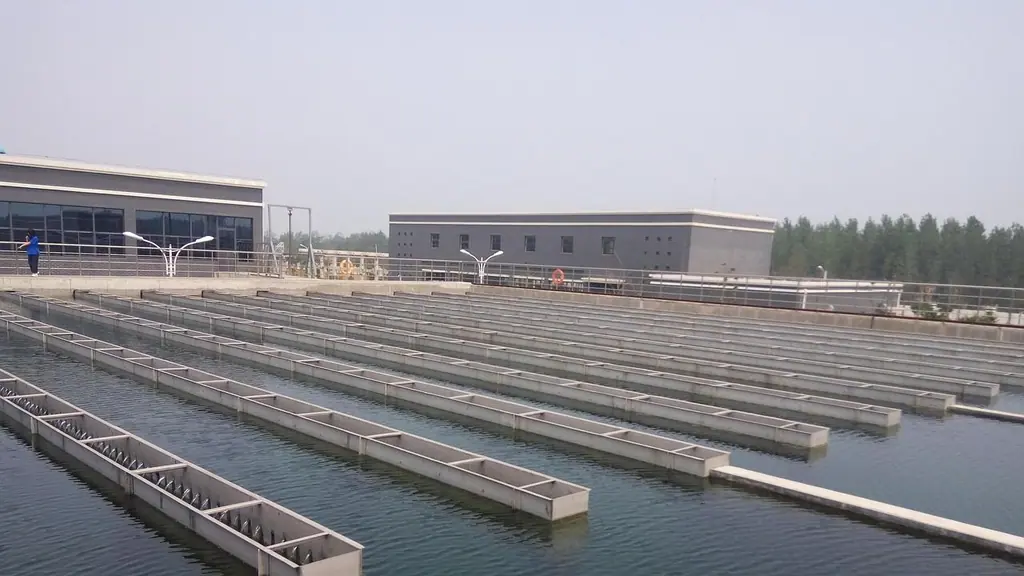
- Sewage treatment. Phosphorus removal at sewage works, often by chemical dosing, has driven most of the improvement in England's rivers since the 1990s. Under the Environmental Targets (Water) (England) Regulations 2023, the government set a legally binding target of at least an 80 per cent reduction in phosphorus loads from treated wastewater by the end of 2038, against a 2020 baseline.
- Farm practices. Matching fertiliser and manure to what crops need, testing soil, storing slurry properly, keeping soil covered over winter and leaving buffer strips beside watercourses reduce losses. The same regulations include a target of at least 40 per cent reductions in agricultural phosphorus, nitrogen and sediment pollution by the end of 2038, against a 2018 baseline.
- Wetlands and riverside vegetation. Reedbeds, ponds and wooded banks can trap sediment and take up nutrients before they reach the main river.
- Households. Checking that washing machines and dishwashers are not misconnected to surface-water drains, maintaining septic tanks, and not tipping food waste or fats down sinks all help locally. Our guide to what not to flush or pour down the drain covers this in more detail.
Progress is slow partly because of legacy phosphorus in soils and sediments, which can keep feeding blooms for years after inputs fall. That is why a lake can stay green even when the pipes discharging into it have been cleaned up.
What to look for
On walks by rivers and lakes, notice blanket weed on riverbeds, green or blue-green discolouration, scums along downwind shores, and dead fish in hot, still weather. Our guide to water quality explains how dissolved oxygen and nutrients are measured, and the guide to how drinking water treatment works describes how suppliers deal with algae in reservoirs. Volunteer monitoring groups record nutrient levels in many catchments; freshwater citizen science explains how to join one. For more, browse the water quality and pollution section.
Sources
- Nutrients and EutrophicationU.S. Geological Survey, Water Resources Mission Area
- Phosphorus: challenges for the water environment (updated November 2025)Environment Agency, GOV.UK
- Learn about Harmful Algae, Cyanobacteria and CyanotoxinsUS Environmental Protection Agency
- Algal blooms: advice for the public and landownersEnvironment Agency, GOV.UK
- NOAA and partners find smaller-than-anticipated hypoxic zone in Gulf of AmericaNational Oceanic and Atmospheric Administration (NOAA)
- Toxic cyanobacteria in water, second edition (2021)World Health Organization
- The Environmental Targets (Water) (England) Regulations 2023 (SI 2023/93)legislation.gov.uk
Spotted an error? Write to contact@freshwateraction.net. Our editorial policy explains how we correct articles.