Water Access and Sanitation
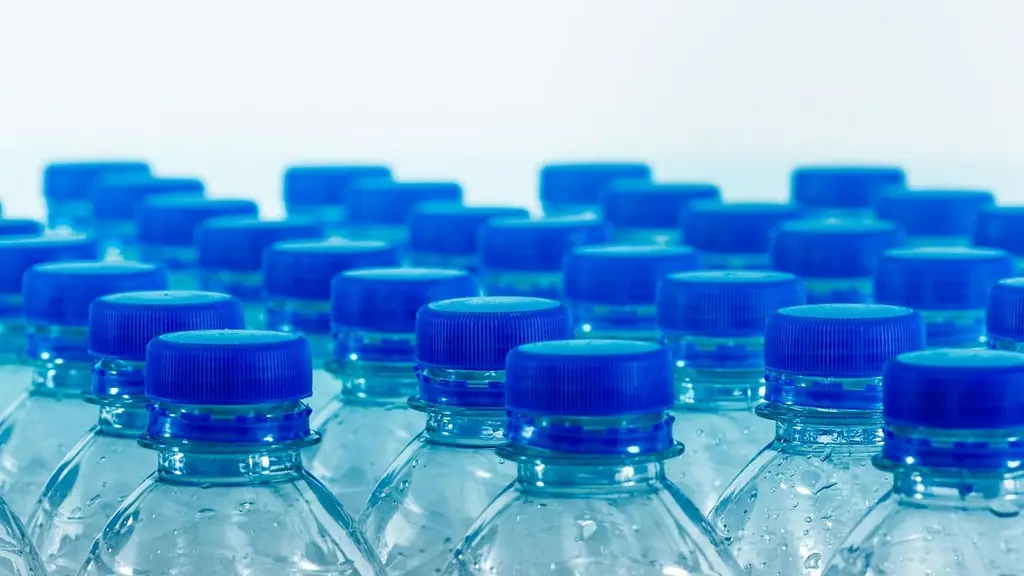
Why Mexico Drinks So Much Bottled Water
Why bottled and purified water became the everyday drink in Mexico: intermittent supply, distrust of the tap, health policy, household costs and plastic waste.
Every article published on FreshwaterAction, newest first: water science, rivers and wetlands, wildlife, water quality, conservation, sanitation and water rights.
Why bottled and purified water became the everyday drink in Mexico: intermittent supply, distrust of the tap, health policy, household costs and plastic waste.
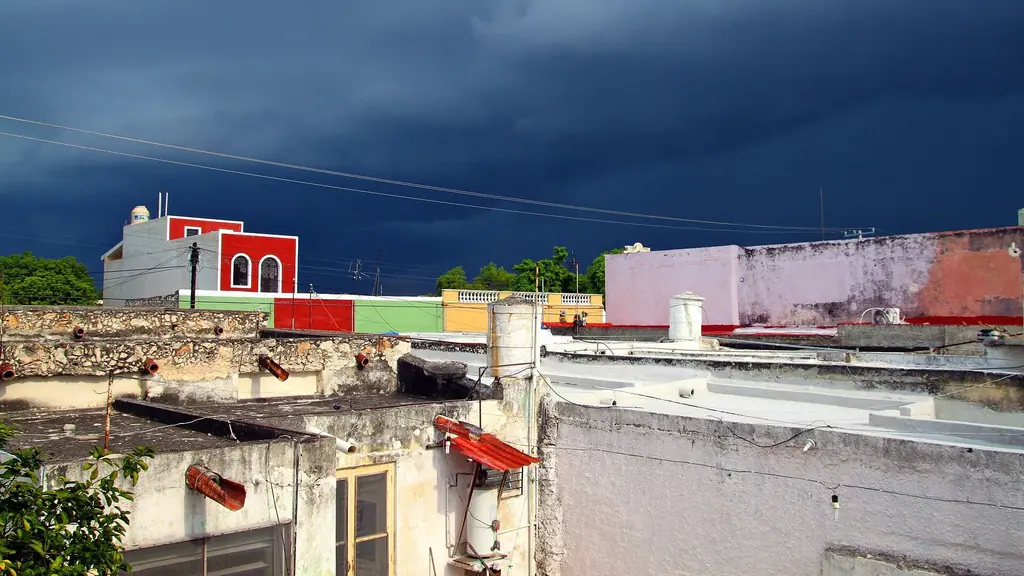
How Mexico recognised the human right to water in its constitution in 2012, why the promised General Water Law took until 2025, and what the gaps in service look like.
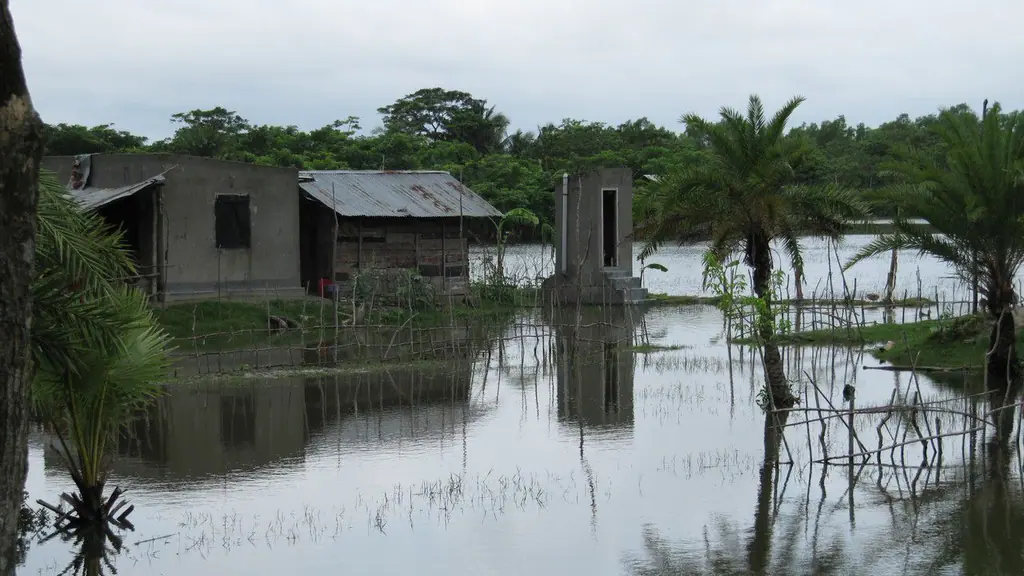
What the South Asian Conference on Sanitation is, what its declarations from Dhaka 2003 to Islamabad 2018 committed governments to, and how far the region has come since.
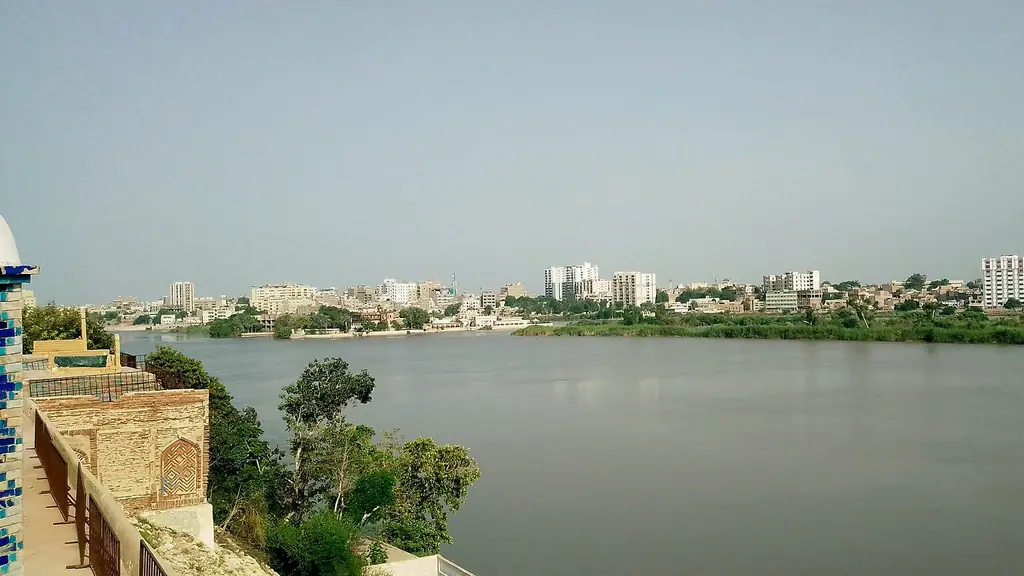
Pakistan's national drinking water standards compared with WHO guidelines, arsenic in Indus Valley groundwater, microbial contamination, and how quality is monitored.
How countries have written the right to water and sanitation into constitutions, statutes and court rulings, from South Africa and Uruguay to Mexico and Costa Rica.
What the human rights to water and sanitation require of governments, the five standards and three duties behind them, and how campaigners use them in practice.
How UN General Assembly resolution 64/292 of July 2010 and later Human Rights Council and Assembly resolutions turned water and sanitation into human rights.
An independent explainer on FANSA, the Freshwater Action Network South Asia: what the regional network does, its work around SACOSAN and the SDGs, and where it is today.
An independent explainer on ANEW, the African Civil Society Network on Water and Sanitation: its 2003 launch, its work with AMCOW and where to find it today.